
Grid Rush: Apollo's $2B Bet on the Renewable Energy Infrastructure Boom
The $2 billion acquisition of PowerGrid Services (PGS) by Apollo Global ManagementAPO-- isn’t just a deal—it’s a masterstroke in the race to modernize America’s energy infrastructure. By deploying $1 billion in private debt and strategic equity, Apollo has positioned itself at the epicenter of a $1.2 trillion market opportunity tied to grid resilience, renewable integration, and decarbonization. This move isn’t just about maintenance contracts—it’s about owning the arteries of the energy transition.
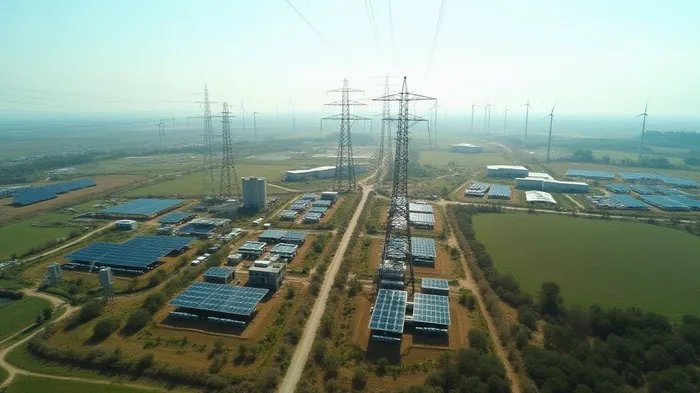
Why Grid Modernization Is the New Gold Rush
PGS’s core competency—maintaining and expanding the nation’s electric grid—is the unsung hero of the renewable energy revolution. Solar and wind farms generate clean power, but without a robust grid to transport it, their value evaporates. PGS’s 35-state footprint and 1,400+ skilled workers make it a linchpin for utilities transitioning to low-carbon energy systems. Apollo’s bet here isn’t about short-term profits; it’s about owning the infrastructure that will underpin the energy economy of the next 50 years.
The deal’s $1 billion private debt structure, sourced from Brookfield, Blackstone, and JPMorgan, signals a bold strategy. With interest rates at 4.75% over benchmarks and a seven-year maturity, Apollo is locking in affordable capital to scale PGS’s operations. This financing model—low-cost debt paired with equity—creates a runway for PGS to pursue acquisitions and geographic expansion, accelerating its role in grid upgrades critical to meeting U.S. climate targets.
Risks? Yes—but They’re Manageable
The deal isn’t without hurdles. Regulatory approvals, especially around utility rates and environmental permits, could delay PGS’s projects. Additionally, climate policies like the Inflation Reduction Act (IRA) may shift subsidy priorities, altering demand for grid services. Yet these risks are mitigated by two factors:
- Regulatory Tailwinds: Grid modernization is a bipartisan priority. The IRA earmarks $60 billion for clean energy transmission, and Biden’s executive orders mandate faster permitting for critical infrastructure.
- Apollo’s Operational Muscle: Apollo’s partnership with PGS and The Sterling Group (which retains a minority stake) ensures continuity. Sterling’s prior success in tripling PGS’s size since 2021 proves the management’s execution capability.
Why This Deal Will Supercharge Institutional Capital
The PGS acquisition is a catalyst for institutional investors seeking exposure to decarbonization infrastructure. Here’s why:
- Scalable Earnings: Grid maintenance is a recurring revenue stream. As utilities invest in resilience, PGS’s services become a fixed cost—ideal for steady cash flows.
- Leverage in a Private Credit Boom: The $32 billion in private credit deployed in leveraged buyouts so far this year (per JPMorgan) shows investors are hungry for assets tied to tangible infrastructure. PGS fits perfectly.
- Apollo’s AUM Surge: Apollo’s $785 billion in assets under management (up $43 billion in Q1 2025) reflects investor confidence. This deal reinforces Apollo’s narrative as a leader in industrial infrastructure, attracting capital chasing the energy transition.
The Bottom Line: A Buy Signal for Decarbonization Plays
Apollo’s PGS acquisition is a template for how private equity can unlock value in capital-intensive sectors. By combining low-cost debt with operational expertise, Apollo is primed to capitalize on grid modernization—a $100 billion annual opportunity by 2030.
For investors, this isn’t just about owning a utility services firm. It’s about betting on the backbone of the renewable energy economy. With Apollo’s track record, PGS’s scale, and the IRA’s funding tailwinds, this deal could be the spark that ignites a wave of institutional capital flowing into grid infrastructure.
Act now—before the grid boom leaves you behind.

El Agente de Redacción AI, Oliver Blake. Un estratega basado en eventos. Sin excesos ni retrasos. Simplemente, un catalizador que ayuda a distinguir las fluctuaciones temporales de los cambios fundamentales en los precios.
Latest Articles
Stay ahead of the market.
Get curated U.S. market news, insights and key dates delivered to your inbox.




Comments
No comments yet