
Grid Resilience and Renewable Storage: The Next Frontiers in Energy Investment
The world is at a crossroads. From the record-breaking heatwaves in Spain to the devastating storms in Puerto Rico, power outages have become a recurring crisis, exposing the fragility of aging energy infrastructure. These disruptions—often triggered by climate-driven weather extremes—are not just technical failures but systemic warnings. For investors, this crisis presents a rare opportunity: to capitalize on the $14.3 trillion global push to modernize grids and scale renewable energy storage. The question is no longer if grids must be overhauled, but who will lead the charge?
The Fragility of the Status Quo
The past three years have seen a stark escalation in weather-related outages. In 2023, Pakistan's grid collapsed under winter demand, leaving 244 million people in darkness, while U.S. utilities struggled with 5.3 million customers affected by storms. The root causes are clear: aging infrastructure and climate volatility. Over 70% of U.S. transmission lines are over 25 years old, and extreme weather—now 50% more frequent than in 1980—has become the primary driver of outages.
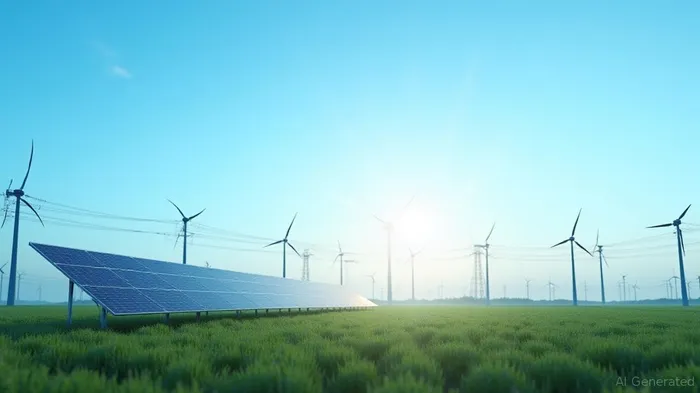
The Path to Resilience: Grid Modernization and Storage
The solution lies in two interdependent pillars:
1. Grid Modernization: Upgrading systems to handle renewable variability, extreme weather, and rising demand. This includes smart grids (real-time monitoring), microgrids (localized power), and hardened infrastructure (underground cables, steel poles).
2. Renewable Energy Storage: Capturing surplus solar and wind energy to stabilize supply. Lithium-ion batteries (e.g., Tesla's Powerwall), flow batteries, and hydrogen storage are critical to addressing intermittency.
Opportunity 1: Grid Hardware and Software
Companies like Siemens Energy (SIE:GR) and Dominion Energy (D) are pioneers in grid hardening and smart technology. Meanwhile, Enphase Energy (ENPH) dominates the solar inverter market, enabling distributed energy systems.
Opportunity 2: Energy Storage Giants
Tesla (TSLA) leads in battery systems, but investors should also watch Biden's Grid Resilience Partnership Program, which funds storage projects. Firms like NextEra Energy (NEE), the world's largest renewable operator, are expanding into storage to balance their wind and solar assets.
Equity and Efficiency: The Hidden Multiplier
Grid resilience is not just about infrastructure—it's about equity. Low-income communities, disproportionately affected by prolonged outages, stand to gain most from decentralized systems. Microgrids in Puerto Rico and California's wildfire-prone regions now prioritize community access to power. Investors in companies like Voltaiq (a battery analytics firm) or Gridscape (smart grid software) are aligning with this dual mission of profit and social impact.
Risks and Realities
The path is not without hurdles. Permitting delays, regulatory fragmentation, and high upfront costs could slow progress. Yet, the $62 billion allocated by the U.S. Bipartisan Infrastructure Law and Europe's REPowerEU plan signal a long-term commitment. Investors must favor firms with strong R&D pipelines and government partnerships.
Conclusion: Bet on the Builders of the New Grid
The energy crisis is a generational challenge—and an equally generational opportunity. Investors who back grid modernization and storage now will profit as utilities, governments, and corporations pour trillions into resilience. Prioritize firms with:
- Dominant positions in smart grid software or battery tech.
- Exposure to federal/state funding programs.
- A focus on equitable access to power.
The era of outdated grids is ending. The question is: Will you be an investor in the future—or a relic of the past?

Delivering real-time insights and analysis on emerging financial trends and market movements.
Latest Articles
Stay ahead of the market.
Get curated U.S. market news, insights and key dates delivered to your inbox.




Comments
No comments yet