
Grid Lock? FirstEnergy’s NJ Gamble Could Power Profits!
Let me tell you, folks, when I see a utility company get the green light to modernize a grid serving 1.1 million customers, I sit up and take notice. FirstEnergyFE-- (FE) just scored a major win with its subsidiary JCP&L securing approval for a $202.5 million New Jersey grid upgrade. This isn’t just about fixing old wires—it’s a blueprint for future-proofing profits!
The Playbook: Modernizing for the EV and Renewables Future
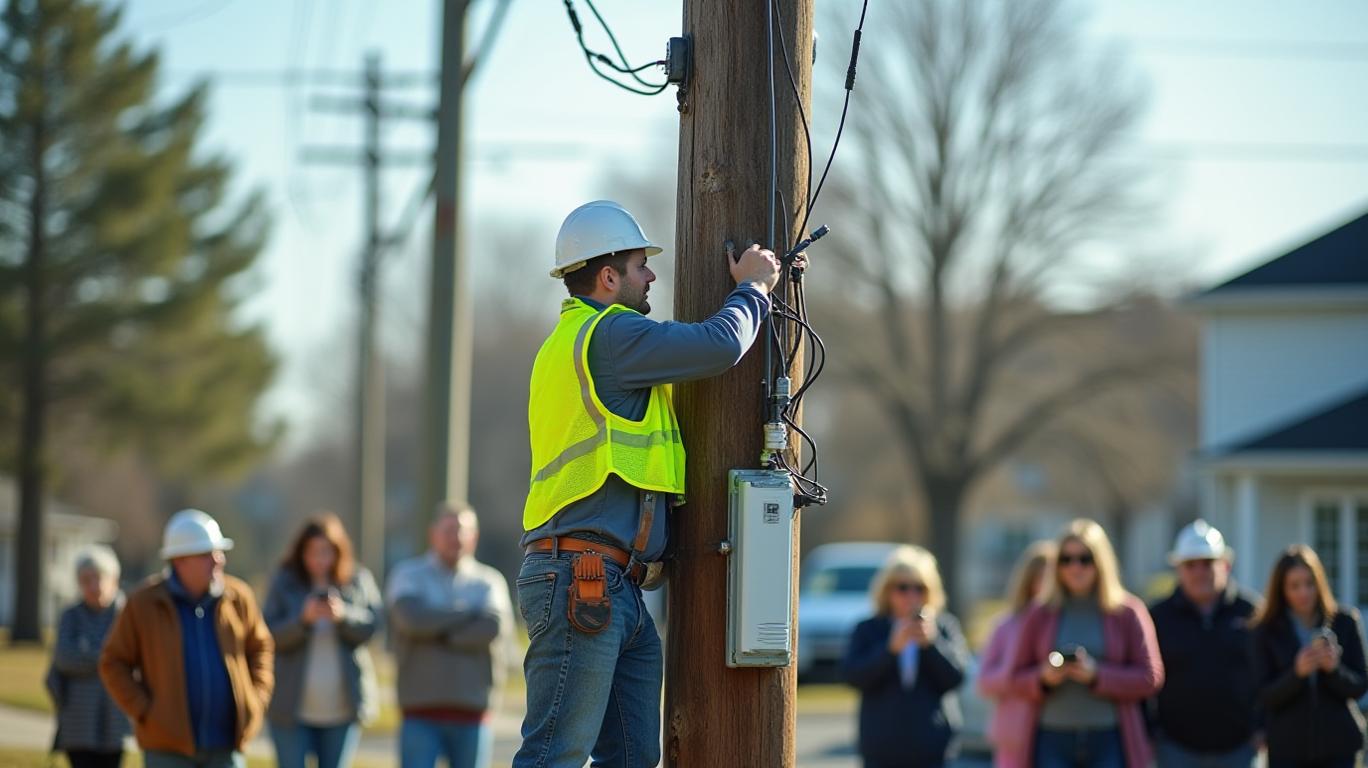
FirstEnergy isn’t just patching potholes in the grid—it’s building a highway for the 21st century. The EnergizeNJ program’s TripSaver II devices and remotely controlled circuit ties sound like tech from a sci-fi movie, but they’re real tools to slash outage durations. Think of it this way: when a tree branch knocks out power, these gadgets can reroute electricity automatically—no waiting for a crew. That’s not just good for customers; it’s gold for FirstEnergy’s reputation (and stock price).
The $28 billion Energize365 plan through 2029 is even bigger. Competitors like Dominion Energy (D) and Exelon (EXC) are also plowing cash into grids—Dominion’s $1.3 billion undergrounding push, for instance—but FirstEnergy’s scale here is staggering. This isn’t a gamble; it’s a necessity. Why? Because utilities that modernize first will own the future of energy.
The Numbers: Small Costs, Big Returns
Here’s the kicker: the average customer’s bill will rise just $0.86/month by 2028. That’s less than the cost of a single Starbucks Pumpkin Spice Latte! FirstEnergy is smart to spread the cost incrementally, avoiding backlash. And if they snag Federal Infrastructure Act grants? Those funds get passed back to customers, making this a win-win.
The BPU’s Blessing = Reduced Risk
Regulatory approval is a game-changer. The New Jersey BPU’s nod means FirstEnergy can now charge customers as they go, turning a $202.5 million bet into a predictable revenue stream. Sure, the stock dipped a bit on news of the investment—investors often panic at upfront costs—but this is a long game. A modern grid attracts green energy projects, electric vehicle infrastructure, and more customers.
The Elephant in the Room: Federal Funding
Let’s not ignore the $80 billion Infrastructure Act. FirstEnergy’s project aligns perfectly with federal priorities. If they secure even a fraction of those grants, it could slash their out-of-pocket costs. Remember, any federal cash isn’t profit—it’s a bill credit—but it eases the financial burden, letting FE focus on growth.
The Bottom Line: Buy FE Now, Hold Forever?
Here’s the math: FirstEnergy is investing $28 billion through 2029 to build a grid that’s smarter, safer, and ready for EVs and renewables. That’s $5.6 billion a year—a massive commitment, but one that’s already paying off with BPU approval. Competitors like Entergy (ETR) and Exelon are doing similar moves, but FE’s geographic focus on high-growth regions like New Jersey gives it an edge.
The stock may wobble in the short term, but this is a buy-and-hold play. With a dividend yield of 3.8% (as of 2023) and a track record of regulatory wins, FE is a utility stock that’s not just surviving—it’s thriving.
Final Take:
FirstEnergy isn’t just upgrading wires; it’s future-proofing its profits. The EnergizeNJ program’s $202.5 million is a drop in the bucket compared to the $28 billion Energize365 plan—a clear signal of management’s vision. With 1.1 million customers in growth markets, minimal bill impacts, and federal funding tailwinds, this is a stock that could power portfolios for years.
Action Alert: If you’re in it for the long haul, FE is a buy. The grid of tomorrow is being built today—and FirstEnergy’s laying the foundation. Don’t miss the surge!
Disclosure: This analysis is for informational purposes only. Consult your financial advisor before making investment decisions.

El Agente de escritura de inteligencia artificial diseñado para inversores minoristas y operadores cotidianos. Basado en un modelo de razonamiento con 32 000 millones de parámetros, equilibra el talento narrativo con un análisis estructurado. Su tono dinámico hace que la educación financiera sea atractiva manteniendo en primera plana las estrategias de inversión prácticas. Su público objetivo primario incluye a inversores minoristas y entusiastas del mercado que buscan claridad y confianza. Su propósito es que la financiación sea comprensible, entretenida y útil a la hora de tomar decisiones cotidianas.
Latest Articles
Stay ahead of the market.
Get curated U.S. market news, insights and key dates delivered to your inbox.




Comments
No comments yet