
The Grid's Growing Pains: Investing in a Resilient Energy Future
The global power grid is under siege. Extreme weather, aging infrastructure, and the rapid shift to renewables are colliding to create a perfect storm of outages. From Spain's 2025 blackout—a technical meltdown exacerbated by climate volatility—to U.S. hurricanes causing 4 million outages in 2024, the stakes have never been higher. The solution lies not in patching old systems but in overhauling them with modernization and energy storage. For investors, this crisis is a goldmine of opportunity.
The Problem: A Grid Out of Time
The numbers are stark. Since 2000, weather-related outages in the U.S. have doubled, with 80% of major disruptions now tied to storms, heatwaves, and wildfires. Spain's April 2025 blackout—a technical failure at critical substations—left 2.2 gigawatts offline, plunging millions into darkness. Meanwhile, Puerto Rico's grid, still recovering from Hurricane Maria (2017), faced another outage in 2025 that cut power to 1.4 million.
The root causes are clear:
1. Aging Infrastructure: The U.S. grid's average age is over 50 years, with components like wooden utility poles and exposed transformers failing under stress. A $14.3 trillion modernization shortfall by 2050 looms.
2. Climate Extremes: Warmer oceans fuel Category 4 hurricanes (e.g., 2024's Hurricane Helene), while heatwaves strain grids designed for 20th-century climates.
3. Renewables' Dilemma: Solar and wind now supply 15% of U.S. power but lack storage. Spain's 2025 outage saw solar output plummet 50% overnight, highlighting reliance on intermittent sources.
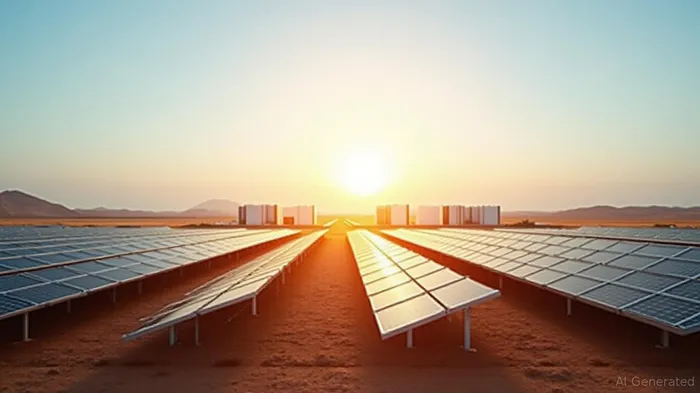
The Solution: Grid Modernization & Energy Storage
Investing in grid resilience is no longer optional—it's existential. Two sectors are poised to dominate:
1. Grid Hardware & Software
The grid must evolve from a passive network to an intelligent, adaptive system. Key areas:
- Smart Grids: Sensors and AI can reroute power during outages. Companies like Gridscape (grid software) and ABB (hardware) are leaders here.
- Microgrids: Decentralized systems (e.g., Tesla's Powerwall) insulate communities from large-scale failures.
- Hardening: Burying power lines and replacing wooden poles with fire-resistant materials.
2. Energy Storage: The Grid's Lifeline
Storage turns renewables into reliable power. Lithium-ion batteries (e.g., Tesla's Megapacks) and emerging tech like flow batteries (e.g., Form Energy) are critical.
- Why Now? Energy storage costs have fallen 90% since 2010, making projects viable.
- Growth Potential: The U.S. needs 1,000+ gigawatt-hours of storage by 2030—up from 30 GWh today.
Investment Opportunities: Where to Place Bets
The path to profit is clear—but pick wisely.
1. Energy Storage Giants
- Tesla (TSLA): Dominates residential and commercial storage. Its Megapack projects (e.g., with NextEra) are grid-scale game-changers.
- BYD (002594.SZ): China's lithium battery leader, expanding globally.
- Form Energy (FMRG):** Betting on iron-air batteries for 100-hour storage at $10/kWh—cheaper than fossil fuels.
2. Grid Modernization Plays
- NextEra Energy (NEE): The U.S.'s largest renewable operator, now investing in grid-scale storage.
- GE Renewable Energy (GE):** Its Digital Energy division builds AI-driven grid software.
- Oracle (ORCL):** Partnering with utilities on cloud-based grid management tools.
3. Infrastructure Funds & ETFs
- Invesco S&P 500 Equal Weight Utilities (RYU):** Tracks utility firms investing in grid upgrades.
- PowerShares Global Water (PHO):** While water-focused, it includes infrastructure resilience plays.
4. Government Backed Projects
The Infrastructure Investment and Jobs Act (IIJA) allocates $65 billion to grid upgrades, while the IRA offers tax credits for storage installations. Follow states like California (ambitious storage mandates) or Texas (wind-to-hydrogen projects).
Risks & Realities
- Regulatory Lag: Permitting delays for new projects (e.g., California's wildfire-related grid hardening) could slow progress.
- Geopolitical Risks: Supply chain bottlenecks for rare earth metals (e.g., lithium, cobalt) may spike costs.
- Climate Uncertainty: Extreme weather could outpace infrastructure upgrades in vulnerable regions.
Final Take: A Multibillion-Dollar Opportunity
The power grid's evolution is a multi-decade megatrend. Investors who back grid modernization and storage now will profit as the world transitions to a resilient energy future. Prioritize companies with:
1. Scale: Dominance in hardware/software (ABB, Tesla).
2. Innovation: Breakthroughs in storage tech (Form Energy).
3. Policy Ties: Firms benefiting from IIJA/IRA incentives (NextEra).
The lights won't stay out forever—but the companies solving this crisis will shine.

Delivering real-time insights and analysis on emerging financial trends and market movements.
Latest Articles
Stay ahead of the market.
Get curated U.S. market news, insights and key dates delivered to your inbox.






Comments
No comments yet