
The Grid's Green Future: Why Renewable Infrastructure Investments Are a Long-Term Growth Engine
The global energy landscape is at a pivotal moment. Rising geopolitical tensions, climate-driven disasters, and policy shifts are reshaping how the world powers economies—and investors are taking note. Renewable energy infrastructure, from solar farms to utility-scale wind projects, is emerging as a structural investment opportunity with the potential to deliver defensive income streams and inflation-hedging growth over the next decade. The recent storm-related outages at Texas's OnCor Power (OCOR) highlight a critical truth: outdated grid infrastructure is vulnerable, while capital allocated to modern, green energy systems is poised to thrive.
The Case for Renewable Infrastructure: Grid Reliability Gaps and Policy Tailwinds
The March 2025 storm that crippled OnCor's grid serves as a stark reminder of the risks inherent in aging energy infrastructure. The outage, which left over 300,000 customers without power, exposed vulnerabilities in overhead lines, vegetation management, and restoration capacity. While OnCor's $3 billion System Resiliency Plan (SRP) aims to address these gaps—replacing poles, hardening grids, and expanding automation—the broader lesson is clear: reliability and resilience are non-negotiable in an era of climate volatility.
This is where renewables shine. Solar and wind projects, often paired with battery storage and smart grid tech, offer geographically distributed, decentralized energy systems that reduce reliance on centralized grids prone to catastrophic failure. Additionally, governments worldwide are accelerating subsidies and mandates to advance clean energy, creating a policy tailwind for investors. For example:
- The U.S. Inflation Reduction Act (IRA) allocates $369 billion to climate initiatives, including tax credits for solar/wind projects and grid modernization.
- The EU's REPowerEU plan aims to eliminate Russian gas imports by 2030, fast-tracking renewables and energy storage.
- China's 14th Five-Year Plan targets 30% non-fossil energy consumption by 2025, underpinning demand for solar/wind infrastructure.
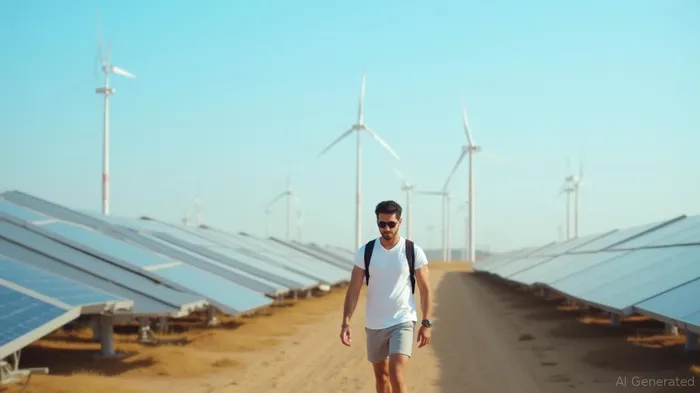
Geopolitical Risks and Energy Insecurity: The Catalyst for Renewables
Fossil fuels remain a geopolitical lightning rod. Russia's gas cutoffs to Europe, Middle East conflicts, and OPEC+ supply volatility underscore the fragility of traditional energy systems. In contrast, renewables are a domestic, controllable resource that reduces energy imports and geopolitical exposure. For investors, this means:
1. Lower commodity risk: Solar and wind rely on silicon, steel, and copper—commodities with stable supply chains compared to oil/gas.
2. Stable cash flows: Utility-scale projects often operate under long-term power purchase agreements (PPAs) with predictable revenue streams.
3. Inflation protection: Renewable energy costs have fallen 90% since 2010, making projects cost-effective even in high-inflation environments.
Data shows renewables have outpaced fossil fuel investments since 2020, with solar/wind attracting $1.3 trillion in 2023 alone. This trend is accelerating as governments prioritize energy independence.
Investment Opportunities: Where to Deploy Capital
The renewable infrastructure sector offers multiple entry points:
1. Public Equity: Utilities with strong renewable portfolios, such as NextEra EnergyNEE-- (NEE), are well-positioned to benefit from PPAs and grid upgrades.
NEE's 3.2% dividend yield and 8% annualized returns since 2015 reflect the sector's stability.
2. Infrastructure Funds: Vehicles like Brookfield RenewableBEP-- Partners (BEP) or BlackRock Global Renewable Power (BGPYX) provide diversified exposure to solar/wind projects.
3. Green Bonds/REITs: Invest in projects via bonds tied to specific renewable assets or specialized REITs like Pattern Energy Group (PEGI).
4. Grid Modernization Plays: Companies like Siemens Energy (SI) or EatonETN-- (ETN), which supply grid automation and storage tech, benefit as utilities like OnCor upgrade infrastructure.
Risks and Considerations
- Regulatory Overreach: Subsidy cuts or permitting delays could stall projects.
- Supply Chain Volatility: Copper/silicon shortages could raise costs.
- Weather Risks: Droughts or extreme weather could temporarily disrupt solar/wind output.
However, these risks are mitigated by long-term contracts, geographic diversification, and the structural demand for energy security. Even OnCor's SRP, while costly, reflects a sector-wide trend: utilities are prioritizing resilience, and investors must follow.
Conclusion: Build for the Grid of Tomorrow
The era of fossil fuels is waning, and the energy transition is no longer optional—it's a necessity. Investors who allocate capital to renewable infrastructure today are positioning themselves to capture decades of growth. Whether through equity stakes in utilities, infrastructure funds, or grid tech providers, this sector offers a rare blend of income stability and inflation resilience.
The OnCor outage was a wake-up call: grids built for the 20th century won't survive the 21st. The green infrastructure boom is here—and those who invest wisely will profit as the world rewires itself.
OnCor's recent stock volatility underscores the urgency of grid modernization—investors should look beyond legacy players to the builders of tomorrow's energy systems.
Investment Thesis: Renewable energy infrastructure offers a compelling risk/reward profile for long-term investors. Allocate 5–10% of a diversified portfolio to renewables-focused funds or utilities with strong PPA pipelines. Prioritize companies with exposure to policy tailwinds and grid resilience projects—like Siemens Energy or NextEra Energy—to capitalize on this structural shift.

Stay ahead of the market.
Get curated U.S. market news, insights and key dates delivered to your inbox.




Comments
No comments yet