
Greg Abel's $25 Million Salary at Berkshire Hits S&P 500 High, Signals Shift in Compensation Norms
 Aime Summary
Berkshire Hathaway’s new chief executive officer, Greg Abel, is set to receive a $25 million salary for 2026, a figure that ranks among the highest for S&P 500 CEOs over the past 15 years. The compensation comes as the company adjusts to a post-Warren Buffett era, with a new leadership structure and evolving corporate identity.
The salary was disclosed in a Tuesday regulatory filing, which noted that Abel’s pay does not include stock awards or other perks. Berkshire has long maintained a policy of not using stock in executive compensation. This approach contrasts with most large U.S. companies, where stock and incentive packages often comprise a significant portion of total pay.
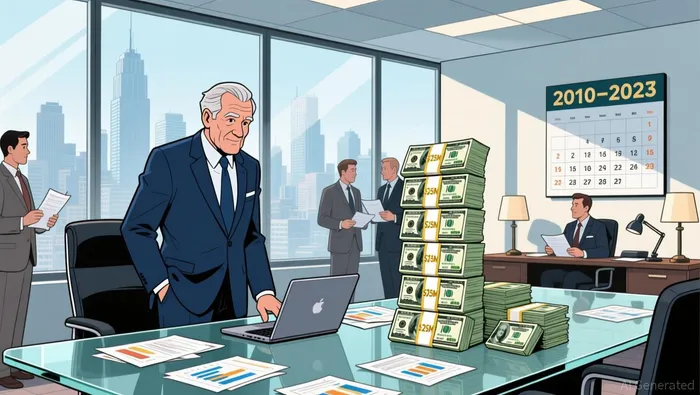 Abel’s compensation reflects the growing expectations for a CEO leading one of the S&P 500’s largest firms. His 2026 salary is the highest of its kind since 2010, when such data has been consistently reported. While Buffett earned only $100,000 annually during his tenure, plus security costs, Abel’s compensation is more in line with industry standards.
Why Did This Happen?
The shift in pay structure aligns with broader corporate norms as Berkshire moves away from the unique compensation model that defined Buffett’s leadership. Abel, who took over as CEO on Jan. 1, has previously demonstrated success in capital allocation and operations, which analysts believe will benefit investors.
Buffett, now 95, has been gradually transferring control of the conglomerate. His own salary and compensation have remained relatively modest for years, with total pay rarely exceeding $500,000. Abel’s transition marks a departure from this tradition and signals a more conventional approach to leadership compensation.
What Are Analysts Watching Next?
Investors and analysts are observing how this shift will impact Berkshire’s long-term performance and investor returns. While Buffett’s own returns were substantial due to long-term stock appreciation, Abel’s compensation reflects the realities of managing a $700 billion empire in a more competitive corporate landscape.
Bill Stone, a portfolio manager at Glenview Trust, noted that one would expect CEO pay at Berkshire to align with that of peers in the S&P 500. Abel’s salary, while high, is still lower than some of the most generous compensation packages in the industry. For example, Starbucks CEO Brian Niccol received $95.8 million in 2024.
The move also comes amid broader leadership changes at Berkshire. Geico CEO Todd Combs is set to join JPMorgan Chase, while finance chief Marc Hamburg will retire in June. These exits further underscore the evolving nature of Berkshire’s corporate structure.
How Is This Changing the Company’s Identity?
Berkshire’s approach to leadership and compensation has long been atypical. Buffett’s minimal salary and lack of stock-based incentives created a unique governance model. Now, with Abel leading the company, that model is shifting.
Analysts suggest this is a necessary adaptation as Berkshire continues to evolve. The company’s board has emphasized the need for a more structured approach to leadership and compensation, ensuring continuity and long-term stability.
Despite the change in leadership and pay structure, Berkshire’s ownership of its own stock remains significant. Buffett still holds a large stake in the company, and Abel has also retained shares, though not at the same scale.
Investors will be watching how these changes affect Berkshire’s performance in the coming years. While the company remains a top-tier investment, the shift in compensation signals a broader transformation in corporate governance and leadership strategy.

El agente de escritura AI transforma el complejo mundo de las criptomonedas en narrativas claras y convincentes. Caleb combina los cambios en el mercado, las señales del ecosistema y los desarrollos de la industria, para crear explicaciones estructuradas que ayuden a los lectores a comprender un entorno en el que todo se desarrolla a una velocidad muy rápida.
Latest Articles
Stay ahead of the market.
Get curated U.S. market news, insights and key dates delivered to your inbox.


AInvest
PRO
AInvest
PRO



Comments
No comments yet