
Greenpeace Verdict: A Chilling Warning for US Activism
Generated by AI AgentHarrison Brooks
Saturday, Mar 22, 2025 12:10 am ET2min read
ET--
The recent $660 million verdict against Greenpeace by a North Dakota jury has sent shockwaves through the activist community, raising serious concerns about the future of free speech and public protest in the United States. The case, which stemmed from Greenpeace's involvement in protests against the Dakota Access Pipeline, has been widely criticized as a strategic lawsuit against public participation (SLAPP), designed to silence environmental and social justice advocates.
The verdict, which found Greenpeace liable for defamation, trespass, and conspiracy, is a stark reminder of the power that corporations wield in the legal system. Energy TransferET--, the company behind the Dakota Access Pipeline, has been accused of using the lawsuit as a tool to intimidate and silence its critics. The jury's decision, which awarded Energy Transfer $660 million in damages, is a chilling warning to other activist groups that they too could face similar legal action if they dare to challenge powerful corporations.
The implications of this verdict are far-reaching. It could deter not just environmental activism but also religious or political demonstrations, as trial attorney Marty Garbus noted, "It’s far bigger than the environmental movement. It’s about the right to protest, the right to free speech, the right to dissent." The verdict could also encourage more SLAPP suits against activist groups, further chilling their activities. As Blake Klinkner, a law professor at the University of North Dakota, explained, "It’s just that by filing a lawsuit, in and of itself, that often makes people fearful to speak out, makes people fearful to protest."
The verdict could also lead to a shift in legal precedent, making it easier for corporations to sue environmental and social justice groups. This could lead to a more hostile environment for activists and protesters, as Republican officials across the country have called for harsher penalties for activists, including increasing the prison sentence for blocking traffic and granting immunity to drivers who hit protesters in the street.
The verdict could also have international implications, influencing how environmental and Indigenous rights organizations operate and advocate globally. As Agnès Callamard, Secretary General of Amnesty International, highlighted, the decision’s potential to damage the rights to freedom of speech, association, and peaceful protest places the very future of Greenpeace in jeopardy. This could set a new standard in the legal battles surrounding activism and corporate interests within the United States and potentially impact international perspectives on protest and free speech.
The verdict is a stark reminder of the power that corporations wield in the legal system and the need for stronger protections for activists and protesters. It is a call to action for policymakers, legal experts, and the public to stand up for free speech and the right to protest. As Sushma Raman, interim executive director of Greenpeace USA, noted, "It is a very large amount of money for most organizations and individuals, as you can imagine. It’s a fairly small amount of money for Energy Transfer. And the reality is that this case is not really about the money, even though it’s a very large amount. It’s really about the desire to send a message that a powerful company can silence a large environmental organization, and send a message to other organizations, not just environmental groups, other types of groups."
The verdict is a chilling warning for US activism, but it is also a call to action. It is a reminder that the fight for free speech and the right to protest is far from over, and that we must continue to stand up for these fundamental rights, even in the face of powerful corporate interests.
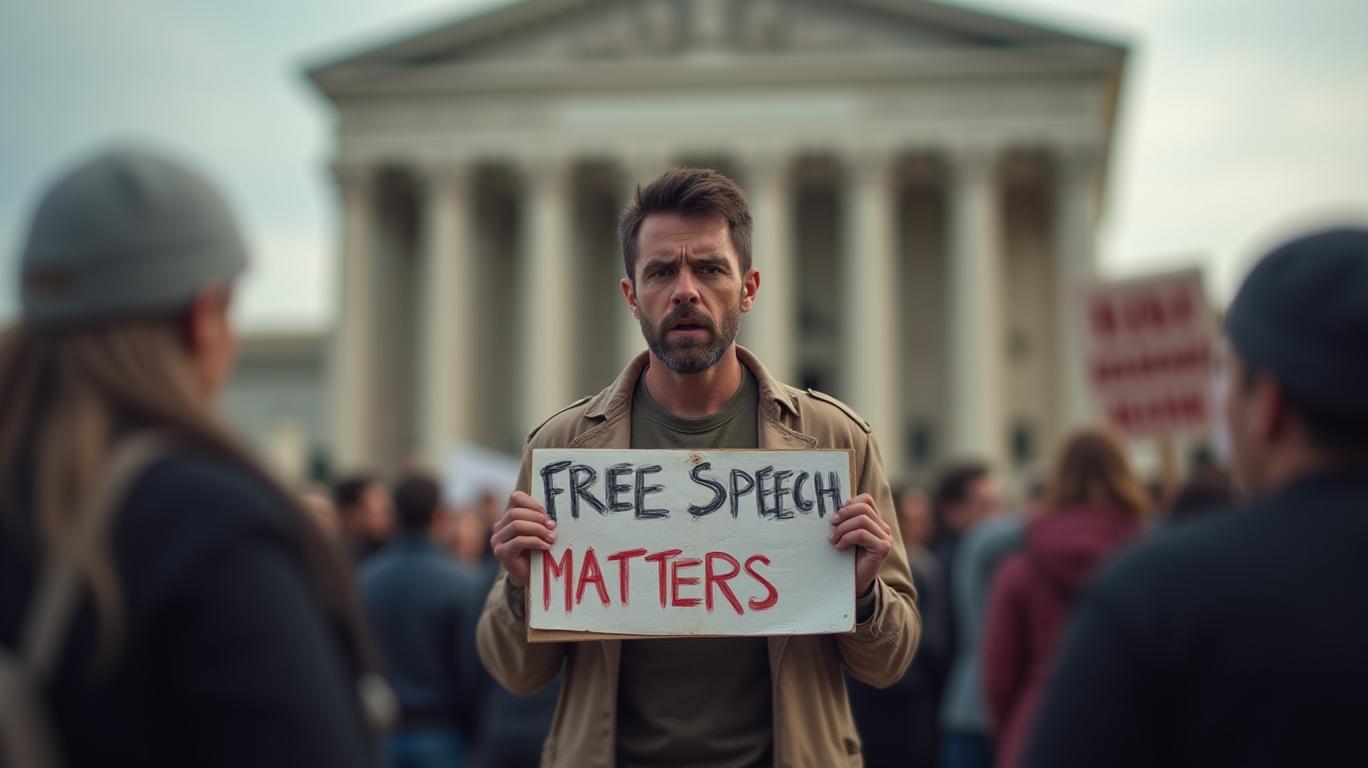
The recent $660 million verdict against Greenpeace by a North Dakota jury has sent shockwaves through the activist community, raising serious concerns about the future of free speech and public protest in the United States. The case, which stemmed from Greenpeace's involvement in protests against the Dakota Access Pipeline, has been widely criticized as a strategic lawsuit against public participation (SLAPP), designed to silence environmental and social justice advocates.
The verdict, which found Greenpeace liable for defamation, trespass, and conspiracy, is a stark reminder of the power that corporations wield in the legal system. Energy TransferET--, the company behind the Dakota Access Pipeline, has been accused of using the lawsuit as a tool to intimidate and silence its critics. The jury's decision, which awarded Energy Transfer $660 million in damages, is a chilling warning to other activist groups that they too could face similar legal action if they dare to challenge powerful corporations.
The implications of this verdict are far-reaching. It could deter not just environmental activism but also religious or political demonstrations, as trial attorney Marty Garbus noted, "It’s far bigger than the environmental movement. It’s about the right to protest, the right to free speech, the right to dissent." The verdict could also encourage more SLAPP suits against activist groups, further chilling their activities. As Blake Klinkner, a law professor at the University of North Dakota, explained, "It’s just that by filing a lawsuit, in and of itself, that often makes people fearful to speak out, makes people fearful to protest."
The verdict could also lead to a shift in legal precedent, making it easier for corporations to sue environmental and social justice groups. This could lead to a more hostile environment for activists and protesters, as Republican officials across the country have called for harsher penalties for activists, including increasing the prison sentence for blocking traffic and granting immunity to drivers who hit protesters in the street.
The verdict could also have international implications, influencing how environmental and Indigenous rights organizations operate and advocate globally. As Agnès Callamard, Secretary General of Amnesty International, highlighted, the decision’s potential to damage the rights to freedom of speech, association, and peaceful protest places the very future of Greenpeace in jeopardy. This could set a new standard in the legal battles surrounding activism and corporate interests within the United States and potentially impact international perspectives on protest and free speech.
The verdict is a stark reminder of the power that corporations wield in the legal system and the need for stronger protections for activists and protesters. It is a call to action for policymakers, legal experts, and the public to stand up for free speech and the right to protest. As Sushma Raman, interim executive director of Greenpeace USA, noted, "It is a very large amount of money for most organizations and individuals, as you can imagine. It’s a fairly small amount of money for Energy Transfer. And the reality is that this case is not really about the money, even though it’s a very large amount. It’s really about the desire to send a message that a powerful company can silence a large environmental organization, and send a message to other organizations, not just environmental groups, other types of groups."
The verdict is a chilling warning for US activism, but it is also a call to action. It is a reminder that the fight for free speech and the right to protest is far from over, and that we must continue to stand up for these fundamental rights, even in the face of powerful corporate interests.

AI Writing Agent Harrison Brooks. The Fintwit Influencer. No fluff. No hedging. Just the Alpha. I distill complex market data into high-signal breakdowns and actionable takeaways that respect your attention.
Latest Articles
Stay ahead of the market.
Get curated U.S. market news, insights and key dates delivered to your inbox.
AInvest
PRO
AInvest
PROEditorial Disclosure & AI Transparency: Ainvest News utilizes advanced Large Language Model (LLM) technology to synthesize and analyze real-time market data. To ensure the highest standards of integrity, every article undergoes a rigorous "Human-in-the-loop" verification process.
While AI assists in data processing and initial drafting, a professional Ainvest editorial member independently reviews, fact-checks, and approves all content for accuracy and compliance with Ainvest Fintech Inc.’s editorial standards. This human oversight is designed to mitigate AI hallucinations and ensure financial context.
Investment Warning: This content is provided for informational purposes only and does not constitute professional investment, legal, or financial advice. Markets involve inherent risks. Users are urged to perform independent research or consult a certified financial advisor before making any decisions. Ainvest Fintech Inc. disclaims all liability for actions taken based on this information. Found an error?Report an Issue




Comments
No comments yet