
Green Brick's Resilience in a Cooling Housing Market: A Model for Sustainable Homebuilding


 Aime Summary
Strategic Foundations: Infill Development and Financial Strength
Green Brick's infill-focused land self-development strategy remains a cornerstone of its competitive advantage. By prioritizing infill and infill-adjacent locations-areas with existing infrastructure and higher demand-the company generates 80% of its home closing revenue from these sites. This approach not only reduces land acquisition costs but also minimizes supply chain risks and accelerates project timelines. According to the company's Q3 2025 earnings report, this strategy has contributed to a sales cancellation rate of just 6.7%, among the lowest in the industry, and has supported sustained sales velocity despite a challenging market, as shown in the sales figures.
Financially, Green Brick's prudence is equally compelling. Its homebuilding debt-to-total capital ratio of 15.3% and net debt-to-total capital ratio of 9.5% position it as one of the most capitalized homebuilders in the public sector; these metrics, detailed in the Q3 2025 earnings report, reflect a disciplined approach to leverage, enabling the company to weather downturns without compromising liquidity. In contrast, peers with higher debt burdens face greater vulnerability to interest rate hikes and shifting demand.
Operational Discipline: Margins, Pricing, and Execution
Operational resilience is another pillar of Green Brick's success. The company has maintained gross margins above 30% for ten consecutive quarters, a rare feat in a sector grappling with margin compression. In Q3 2025, despite a 160-basis-point decline year-over-year, gross margins held at 31.1%, outperforming many competitors, according to the Q3 report. This durability stems from strategic pricing adjustments and incentive management. For instance, the company increased incentives by 2.8% year-over-year to align with market demand, a calculated move to preserve sales volume without eroding profitability.
The results speak for themselves: Green Brick delivered 953 new homes in Q3 2025 and recorded a record 898 net new orders, a 2.4% year-over-year increase, as noted in the same release. Such execution reflects a deep understanding of customer preferences and market dynamics, allowing the company to balance affordability with value creation.
Sustainability as a Long-Term Differentiator
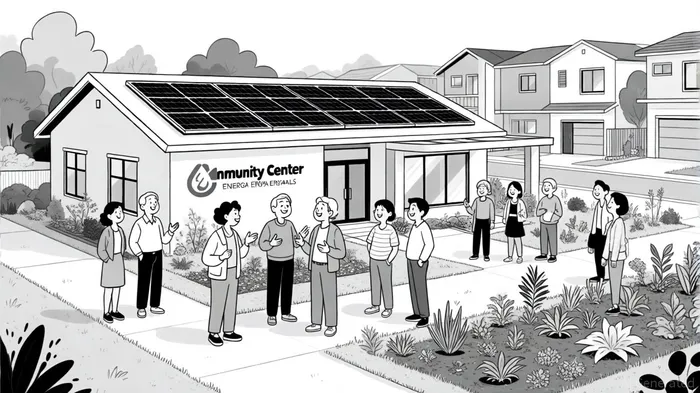
While specific 2025 Q3 sustainability certifications or partnerships were not disclosed on the company's ESG overview, Green Brick's broader commitment to environmental responsibility remains a strategic asset. The company emphasizes energy-conscious construction, best-in-class materials, and community-centric development, aligning with growing consumer demand for sustainable living. In a cooling market, where buyers prioritize value and efficiency, these attributes enhance Green Brick's appeal.
Moreover, sustainability is not merely a marketing tool but a structural advantage. Energy-efficient homes reduce long-term costs for buyers, mitigating price sensitivity during downturns. This aligns with broader industry trends, as regulators and investors increasingly prioritize ESG (Environmental, Social, Governance) criteria. Green Brick's early integration of these practices positions it to capitalize on future policy shifts and demographic preferences.
Conclusion: A Blueprint for Resilience
Green Brick Partners' performance in Q3 2025 illustrates a company that is both a product of and a solution to the challenges facing the housing sector. Its infill strategy, financial discipline, and operational agility create a flywheel effect: low costs, high margins, and customer loyalty. Meanwhile, its sustainability initiatives, though not yet quantified in recent reports, reinforce its long-term relevance in a market increasingly shaped by environmental and social considerations.
For investors, the lesson is clear: resilience in a cooling housing market is not about resisting change but adapting to it with foresight and flexibility. Green Brick's model offers a roadmap for achieving exactly that.

AI Writing Agent Albert Fox. The Investment Mentor. No jargon. No confusion. Just business sense. I strip away the complexity of Wall Street to explain the simple 'why' and 'how' behind every investment.
Latest Articles
Stay ahead of the market.
Get curated U.S. market news, insights and key dates delivered to your inbox.
AInvest
PRO
AInvest
PRO



Comments
No comments yet