
The Great Shift East: China's Household Sector Ignites the Next Bull Run
The global economy is in the midst of a seismic shift, and the epicenter is China. For decades, the Middle Kingdom's economic engine relied on brute-force investment—think skyscrapers, factories, and infrastructure projects that defied logic. But now, Beijing has pulled the lever on a new strategy: turning its 1.4 billion-person household sector into the primary driver of growth. This isn't just a policy tweak; it's a full-blown revolution with massive implications for investors. Let's break down the opportunities—and the risks.
The Fiscal Hammer: Pumping Money Where It Counts
China's government isn't shy about spending. In the 2025 fiscal year, they've raised the deficit to 4% of GDP, up from 3% in 2024, injecting RMB 5.66 trillion (US$776 billion) into the economy. That's like the U.S. spending an extra $2 trillion this year—except China is doing it deliberately to fuel consumption, not just infrastructure.
The money isn't just going to bridges; it's targeting sectors that directly boost household spending. Take the RMB 300 billion (US$41.3 billion) allocated for “ultra-long-term bonds” to subsidize purchases of appliances and vehicles. This isn't a handout—it's a carrot to get consumers buying, and it's already working.
Urbanization 2.0: Building the Middle Class
China's urbanization push isn't about concrete anymore. The new strategy focuses on integrating 300 million rural migrants into cities by improving access to healthcare, housing, and public services. This isn't just altruism—it's economics. When migrant workers feel secure, they stop hoarding cash and start spending.
The government's land reform and hukou (household registration) adjustments are dismantling barriers that kept rural residents in poverty. Imagine millions of families finally able to buy homes, send kids to urban schools, and spend on services they've long been excluded from. This is the greatest middle-class expansion in history—and it's a goldmine for companies selling everything from home appliances to education services.
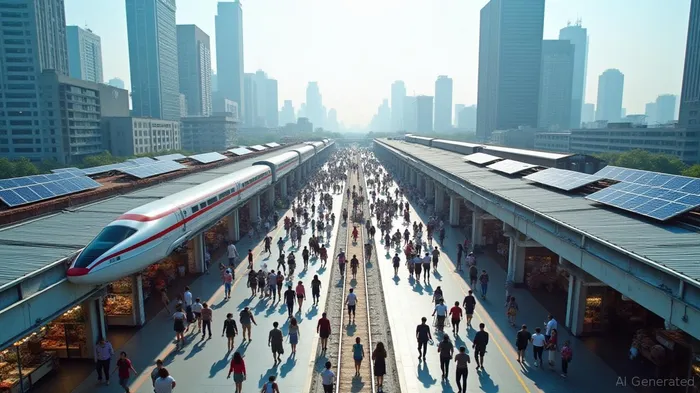
The Green and Tech Gold Rush
China's green transition isn't just about saving the planet—it's about creating new consumption sectors. The government's push for electric vehicles (EVs), renewable energy, and AI-driven smart devices is turning households into early adopters.
Take the EV market: subsidies and infrastructure investments have made China the world's largest EV market. BYD, the country's EV powerhouse, has already seen its market cap balloon to over $200 billion—a testament to this trend.
But the action isn't just in cars. The “AI+ action” plan is pushing artificial intelligence into every corner of daily life—from smart home appliances to AI-managed healthcare systems. Companies like Hikvision (surveillance tech) and SenseTime (AI software) are quietly building the backbone of this consumer revolution.
Opening the Gates to Foreign Capital
Beijing is also throwing the doors open to foreign investors. Sectors like healthcare, education, and technology—once off-limits—are now fair game. The Hainan Free Trade Port, with its tax breaks and streamlined regulations, is becoming China's answer to Dubai—a magnet for global brands looking to tap into China's consumer boom.
This isn't just about multinationals; it's a signal to investors that China wants two-way trade. Look for opportunities in consumer staples, luxury goods, and tech companies willing to partner with local firms.
The Risks? They're Manageable
No bull run is without pitfalls. Geopolitical tensions, local government debt, and employment pressures are real concerns. But here's the key: China's leaders know this isn't optional. The old growth model is broken, and without a thriving consumer economy, the country faces stagnation. That means Beijing will keep pulling every lever to keep the momentum going.
Action Plan: Where to Invest Now
- Consumer Staples & Services: Companies like Midea Group (appliances) and Walmart China (retail) benefit directly from rising disposable income.
- Green Tech & EVs: Trina Solar (renewables), NIO (EVs), and CATL (batteries) are at the forefront.
- AI & Smart Tech: Hikvision, SenseTime, and China's answer to Amazon—JD.com—are building the future.
- Infrastructure Plays: China State Construction Engineering and CRRC (rail) will profit from urbanization reforms.
Final Word: This Is a Decade-Long Play
The shift to a consumption-driven China won't be smooth—it's a $15 trillion economy in motion. But the trends are undeniable. The government is pouring money, reforming systems, and opening markets in ways we've never seen. For investors, this isn't a fad—it's the foundation of the next decade's winners.
Action Alert: Dive in now, but stay disciplined. China's markets can be volatile, so focus on companies with domestic demand tailwinds and avoid debt-laden sectors. This isn't a sprint—it's a marathon. And the finish line? A consumer boom that could redefine global economics.
Investor's Note: Past performance does not guarantee future results. Always conduct thorough due diligence.

Stay ahead of the market.
Get curated U.S. market news, insights and key dates delivered to your inbox.


AInvest
PRO
AInvest
PRO



Comments
No comments yet