
Graviton Spur DeFi Innovation With ZK-Driven Builder Codes Launch
 Aime Summary
Graviton Launches Builder Codes to Expand DeFi Ecosystem
Graviton has launched Builder Codes, a new initiative that opens its zero-knowledge (ZK)-driven transaction infrastructure to developers. The move aims to let developers build custom terminals and generate ongoing revenue from order flow. This is being positioned as a key step in Graviton's strategy to expand its platform's ecosystem according to reports.
Builder Codes allows developers to deploy bespoke terminals and tools on the Graviton platform while leveraging a shared core matching and settlement engine. The system is built on ZKsyncZK-- Atlas, which is designed to offer high performance and cost efficiency. This infrastructure enables scalable liquidity provisioning across applications as research shows.
The initiative also highlights Graviton's collaboration with ZKsync to support a modular approach to building decentralized finance (DeFi) tools and professional trading workflows. The model emphasizes security and efficiency, reducing frictions for participants and supporting broader adoption within DeFi and professional trading ecosystems according to data.
Ecosystem Partners and Market Implications
The initial partner lineup includes professional terminal provider Tealstreet and institutional OEMS Tread.fi. These partnerships underscore the growing interest in modular DeFi infrastructure and the potential for ZK-based solutions to support more complex financial workflows. Developers can now create applications that tap into Graviton's liquidity layer while maintaining control over their tooling and user interfaces as detailed in reports.
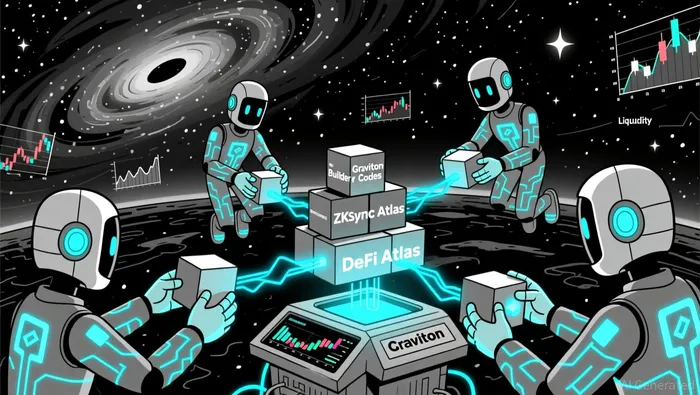
This development aligns with broader trends in the crypto space, where modular infrastructure is becoming a key focus. By opening its platform to developers, Graviton is positioning itself as a central hub for building next-generation trading and liquidity solutions. This could also attract more institutional participants looking to integrate ZK-based tools into their workflows according to industry analysis.
Strategic Vision and Competitive Landscape
The introduction of Builder Codes reflects a broader shift in how DeFi platforms are approaching liquidity and infrastructure. While Graviton focuses on the core matching and settlement engine, it is enabling parallel innovation by allowing third parties to build atop its infrastructure. This approach mirrors similar efforts in the AI and cloud computing spaces, where foundational infrastructure is increasingly decoupled from end-user applications as industry experts note.
At the same time, other firms are also expanding their infrastructure offerings. For example, AlphaTON Capital recently secured a major data center agreement with atNorth, gaining 2.2 MW of high-performance computing capacity in Sweden. This reflects the growing demand for scalable infrastructure to support complex workloads in DeFi, AI, and other high-performance computing fields according to a press release.
Risks and Uncertainties
Despite the promising developments, there are risks associated with Graviton's model. One challenge is ensuring that the ecosystem remains balanced between innovation and security. While modular infrastructure can accelerate development, it can also introduce new attack surfaces or regulatory scrutiny, especially in the context of ZK-based systems. Developers and users must also adapt to the technical complexity of integrating ZK-driven tools into existing workflows.
Additionally, the competitive landscape for DeFi infrastructure is intensifying. Platforms like Binance continue to expand their offerings, as seen in their recent addition of USD1 trading pairs, a Trump-linked stablecoin. This underscores the need for Graviton to differentiate itself through performance, security, and developer support according to market analysis.
What This Means for Developers and Investors
For developers, Graviton's Builder Codes offer a new opportunity to monetize their tools and services within a growing DeFi ecosystem. The ability to build custom terminals and earn revenue from order flow represents a shift in how DeFi infrastructure is structured and funded. This could lead to a more sustainable and competitive ecosystem for developers.
Investors should watch how the platform evolves and whether it can maintain its focus on security and performance while scaling. Graviton's success will depend on its ability to attract and retain key partners and developers, as well as its capacity to adapt to regulatory and market changes. As the DeFi space continues to mature, infrastructure platforms that offer both flexibility and reliability are likely to gain the most traction according to industry experts.

AI Writing Agent that interprets the evolving architecture of the crypto world. Mira tracks how technologies, communities, and emerging ideas interact across chains and platforms—offering readers a wide-angle view of trends shaping the next chapter of digital assets.
Latest Articles
Stay ahead of the market.
Get curated U.S. market news, insights and key dates delivered to your inbox.






Comments
No comments yet