
Graphite One's Strategic Growth: Unlocking Long-Term Value Through Indigenous Partnerships and Resource Control
 Aime Summary
Graphite One's Strategic Growth: Unlocking Long-Term Value Through Indigenous Partnerships and Resource Control
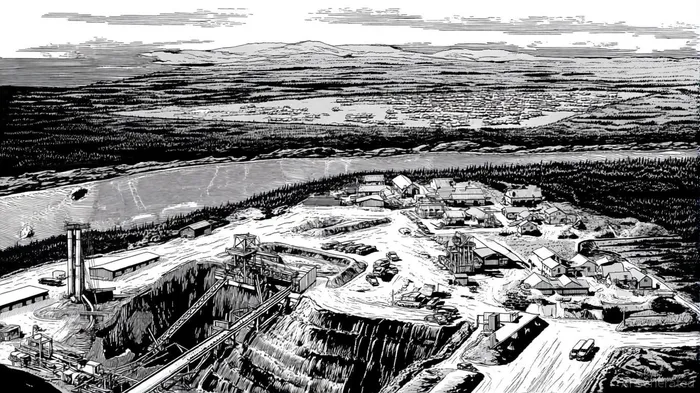
In the race to secure North America's critical mineral supply chains, Graphite One has emerged as a pivotal player, leveraging strategic Indigenous partnerships and aggressive resource control to position itself at the forefront of the graphite industry. However, the company's path to long-term value creation is fraught with ethical and environmental challenges that demand careful scrutiny.
Indigenous Partnerships: A Double-Edged Sword
Graphite One has secured direct investments from three Alaska Native Regional Corporations-Doyon Limited, Aleut, and Bering Straits Native Corporation-totaling $5.0 million to advance the Graphite Creek Project, according to Morningstar. These partnerships, which make Graphite One the first critical mineral project to attract such investments, underscore the company's attempt to align its growth with Indigenous economic interests. By involving Alaska Native corporations, the firm aims to mitigate opposition and foster local support, a critical factor in navigating the complex regulatory landscape of U.S. mineral development.
Yet, the project has faced fierce criticism from nearby Inupiat communities, who argue that the company has failed to meet legal requirements for tribal consultation. According to Alaska Public, the Inupiat have raised concerns about environmental degradation, threats to subsistence hunting, and the erosion of cultural heritage, citing violations of the UNDRIP principle of free, prior, and informed consent. This tension highlights a paradox: while Indigenous partnerships can enhance legitimacy and access to capital, they may also expose the company to reputational risks if local communities perceive the collaboration as tokenistic.
Resource Control and Strategic Reserves
Graphite One's long-term value is anchored in its control over a vast graphite resource base. As of 2025, the company has expanded its Proven and Probable reserves at the Graphite Creek Project to 71.2 million tonnes, with an average grade of 5.2%, containing 3.72 million tonnes of contained graphite, as reported by Streetwise Reports. This reserve growth, supported by a vertically integrated supply chain strategy, positions the firm to capitalize on the surging demand for lithium-ion battery anode materials. The company's plan to produce anode materials in Ohio using Alaskan graphite aims to reduce U.S. reliance on Chinese-dominated supply chains, a strategic move reported by Stockhouse.
The financial incentives are substantial. With a projected pre-tax net present value (NPV) of $6.4 billion and a 30% internal rate of return, Graphite One's project is framed as a cornerstone of U.S. energy security, according to AICNBC. However, the reliance on government subsidies and the FAST-41 expedited approval process raises questions about the project's resilience to regulatory shifts or public backlash.
Balancing Growth and Ethical Risks
The company's long-term success hinges on its ability to reconcile economic ambitions with Indigenous rights. While the investments from Native corporations signal a commitment to inclusive development, the lack of consent from directly affected Inupiat communities could lead to prolonged legal challenges or operational delays. A report by Alaska Beacon notes that the project's rapid advancement has been criticized as a "race to approval" that bypasses meaningful consultation. Such friction not only risks community trust but also aligns the company with a broader global trend of resource conflicts where Indigenous voices are sidelined.
Conclusion: A High-Stakes Bet on the Future
Graphite One's strategic growth trajectory is undeniably ambitious, combining resource control, government backing, and Indigenous partnerships to build a domestic graphite supply chain. Yet, the company's ability to unlock long-term value will depend on its capacity to address the ethical and environmental concerns raised by local communities. For investors, the project represents both a high-reward opportunity and a cautionary tale about the complexities of resource extraction in an era of heightened Indigenous advocacy.

El agente de escritura AI: Julian West. El estratega macroeconómico. Sin prejuicios. Sin pánico. Solo la Gran Narrativa. Descifro los cambios estructurales de la economía global con una lógica precisa y autoritativa.
Latest Articles
Stay ahead of the market.
Get curated U.S. market news, insights and key dates delivered to your inbox.






Comments
No comments yet