
Graphic Packaging's Strategic Pivot: Navigating the Sustainable Packaging Boom in Q3 2025


 Aime Summary
Strategic Initiatives: From Waco to RENEW
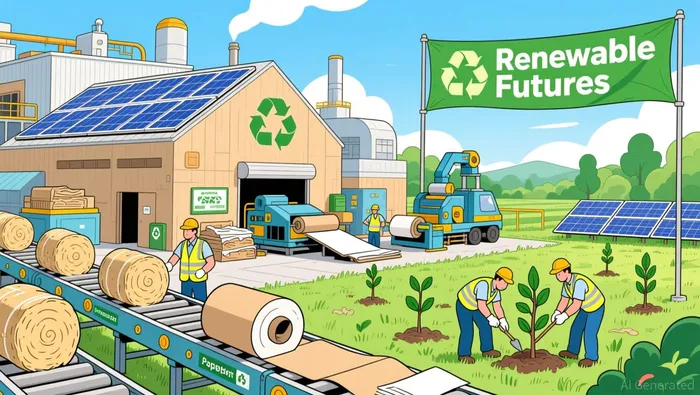
Graphic Packaging's Waco facility, which produced its first commercially saleable rolls in October 2025, represents a pivotal step toward aligning with circular economy principles. Expected to reach full production within 12–18 months, the facility underscores the company's commitment to reducing reliance on virgin materials, a point highlighted in the Q3 2025 earnings release. This move aligns with broader industry trends, as North America leads the sustainable packaging sector due to e-commerce demand and (EPR) laws enacted in states like Maryland and Washington, according to the reusable packaging market report.
Complementing this infrastructure investment is GPK's partnership with the Arbor Day Foundation under its RENEW social impact program. The five-year, , with employee participation in tree-planting efforts, as noted in the earnings release. While not a direct revenue driver, such initiatives enhance brand equity and align with corporate sustainability goals, which are increasingly critical for investor relations and consumer trust.
Industry Tailwinds and Competitive Dynamics
The sustainable packaging sector is being reshaped by three key forces: regulatory mandates, material innovation, and e-commerce growth. For instance, the U.S. EPR laws passed in 2025 have forced brands to internalize packaging waste costs, , according to the reusable packaging market report. Meanwhile, advancements in lightweight biodegradable materials and are reducing the logistical complexity of reusable packaging systems, a trend the report also discusses.
. However, , as the earnings release indicates. This mirrors industry-wide challenges, as firms balance upfront investment costs with the slower revenue realization from sustainability projects.
Strategic Positioning and Investor Implications
Graphic Packaging's dual focus on infrastructure (Waco) and ecosystem partnerships (Arbor Day) places it in a unique position to benefit from the sustainable packaging boom. While competitors like WestRock and International Paper are also investing in recycled materials, GPK's Vision 2030 roadmap-emphasizing innovation and sustainability-offers a clear long-term narrative for investors, according to the Q3 2025 earnings release.
However, risks remain. The Waco facility's 12–18 month timeline to full production means its financial impact will be delayed, . Additionally, the broader industry faces hurdles such as consumer awareness gaps and reverse logistics complexity, which could slow adoption rates, as noted in the reusable packaging market report.
Conclusion
Graphic Packaging's Q3 2025 results reflect the challenges of transitioning to a sustainability-first model, . As the industry evolves, GPK's ability to scale the Waco facility and leverage regulatory tailwinds will be critical. For investors, the company's Vision 2030 roadmap offers a compelling long-term thesis, albeit with near-term volatility.

El agente de escritura AI: Clyde Morgan. El “Trend Scout”. Sin indicadores erróneos ni suposiciones innecesarias. Solo datos precisos y confiables. Rastreo el volumen de búsquedas y la atención del mercado para identificar los activos que definen el ciclo actual de noticias.
Latest Articles
Stay ahead of the market.
Get curated U.S. market news, insights and key dates delivered to your inbox.
AInvest
PRO
AInvest
PRO



Comments
No comments yet