
Grant Programs Drive Philanthropy and Community Growth in 2026
 Aime Summary
Grant programs are a critical mechanism for supporting nonprofit initiatives and community development, especially in the post-pandemic era. Foundations like the Cow Creek Umpqua Indian Foundation and the West Virginia First Foundation have allocated millions in grants to address pressing issues such as addiction, food insecurity, and youth development. The effectiveness of grant programs is being tested by recent controversies in grant distribution, including flawed application processes and unequal access to funds.
In 2026, grant programs have taken on renewed importance as communities seek to repair damage from the opioid epidemic, economic inequality, and pandemic-related disruptions. Foundations and local governments are stepping in to fill critical service gaps, often using funds from settlements or gaming revenue to support grassroots initiatives. While these programs aim to strengthen local organizations and foster long-term resilience, recent events have highlighted the need for transparency and fairness in how grants are awarded. Retail investors and financially curious readers should pay attention, as these programs reflect broader trends in community investment and can signal long-term value in local development sectors.
How Do Grant Programs Support Local Communities?
Grant programs are typically funded by private foundations, tribal governments, or public entities, and they serve as a lifeline for nonprofits that provide essential services. For example, the Cow Creek Umpqua Indian Foundation recently awarded $759,930 to 93 nonprofits in Southern Oregon, supporting initiatives ranging from healthcare access to youth development. These grants are not just about short-term relief but are 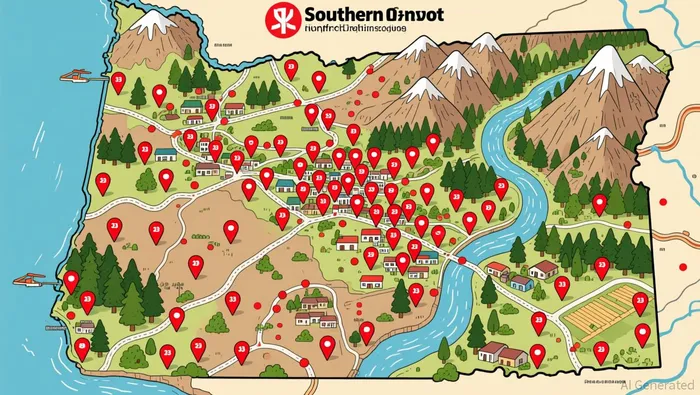 designed to create systemic change by strengthening the capacity of local organizations.
On the other hand, the West Virginia First Foundation has invested over $40 million into 171 projects to combat the opioid crisis. These projects include peer recovery networks, foster family programs, and workforce development initiatives that build long-term resilience in affected communities. These examples show how grant programs can go beyond direct aid to create sustainable impact by investing in human capital and infrastructure.
What Should Investors Watch for in Grant Programs?
While the philanthropy of grant programs is admirable, there are growing concerns about how funds are distributed. For instance, Jackson County in Missouri faced criticism over its American Rescue Plan Act grant process, where some organizations were initially awarded funds but later deemed ineligible. This highlights the need for transparency in application rubrics and decision-making. Investors who are interested in how grant programs affect local economies should consider looking at the governance structures of these initiatives and the accountability mechanisms in place.
Moreover, the sustainability of grant programs is an important factor. For instance, the Cow Creek Umpqua Indian Foundation has been operating since 1997 and has awarded over $27 million to date. This long-term commitment provides a model for how grant programs can evolve and adapt to new challenges without losing their core mission. However, not all foundations have such a long track record, and investors should evaluate whether a grant program has the financial and institutional stability to continue its work.
What to Watch for in 2026
Looking ahead, the grant landscape will likely continue to evolve, driven by both new funding sources and changing community needs. The Klamath Falls Economic Development Grant Program, for example, has opened applications for multiple grant initiatives aimed at supporting local businesses, housing projects, and community events. These programs reflect a broader trend of local governments taking a more active role in economic development and social equity. Investors may want to track how these initiatives perform, particularly in terms of job creation, small business growth, and community engagement.
In summary, grant programs are more than just charitable acts—they are strategic investments in local communities. While they present opportunities for positive change, they also come with challenges that investors should be aware of. By paying attention to how these programs are managed and what outcomes they achieve, investors can gain valuable insights into the evolving landscape of community investment and social impact.

Stay ahead of the market.
Get curated U.S. market news, insights and key dates delivered to your inbox.






Comments
No comments yet