
Grand Rapids' Undervalued School Districts: A Hidden Goldmine for Real Estate Investors
The teacher pay crisis in Michigan's Grand Rapids Public Schools (GRPS) has long been a point of contention, but beneath the surface of budget shortfalls and staff shortages lies an underappreciated opportunity for savvy investors. As districts like GRPS grapple with underfunding, undervalued neighborhoods—particularly those in the South East End—are poised for revitalization as schools stabilize and families return. This article explores how infrastructure investments in these areas could yield significant returns as the district's fortunes turn.
The Crisis: Teacher Pay and Its Ripple Effects
Grand Rapids teachers face stark disparities in compensation compared to neighboring districts. Median salaries for educators with 10 years of experience hover below $50,000, while the highest-paid teacher earns just over $88,000—a figure that hasn't kept pace with inflation or neighboring districts. The union's 7.5% pay increase demand was slashed to a 3% raise in 2024, insufficient to offset rising healthcare costs. This has fueled a staffing crisis, with over 90 teaching positions unfilled in 2023–2024 and substitute rates soaring to 18.6%. Special education teachers, like Malori Salamango—who resigned due to unsustainable caseloads—highlight systemic strain.
The fallout extends beyond classrooms. Underfunded schools deter families from moving into or staying in certain neighborhoods, creating a vicious cycle: declining enrollment leads to budget cuts, which further degrade schools, depressing housing demand. Yet this is precisely where opportunity lies. Investors who target undervalued areas now stand to profit when stability returns.
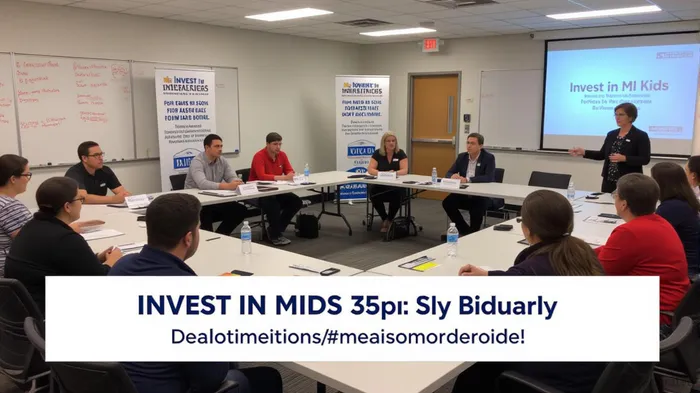
The Turning Point: The Invest in MI Kids Initiative
The proposed ballot initiative—rescinded and refiled in 2025—aims to fund Michigan schools via a 5% tax surcharge on incomes over $500,000. If passed, it could inject up to $1.7 billion annually into K–12 education, addressing a $4–$5 billion annual shortfall. This would directly alleviate GRPS's budget pressures, enabling higher teacher pay, reduced class sizes, and better retention. While the initiative faces political hurdles, its refiled status and grassroots momentum suggest it's far from dead. A “yes” vote could transform the district's trajectory.
Undervalued Neighborhoods: The South East End's Hidden Potential
Within GRPS, the South East End emerges as a prime investment zone. Median home prices here sit at $250,000, nearly $75,000 below the city average of $325,000. Yet this area boasts proximity to downtown Grand Rapids, Grand Valley State University, and emerging tech hubs. Key advantages include:
- Affordability: Entry-level homes start at $190,000, with price reductions up 5.5% year-over-year as sellers adjust to slower demand.
- Infrastructure Investment: The Reimagine GRPS initiative earmarks funds for the Southeast Career Pathways program at the repurposed Sigsbee School, adding vocational training facilities and attracting families seeking career-oriented education.
- Community Growth: Proximity to GVSU drives rental demand, while planned renovations at Ken-O-Sha Park Elementary (set to reopen in 2027 with environmental science and IB programs) will enhance the district's appeal.
Why Invest Now?
- School Stability Fuels Housing Demand: As teacher pay improves and retention rises, families will return to GRPS neighborhoods. The South East End's affordability and strategic location position it to capture this influx.
- Infrastructure Projects Create Synergy: The $305 million Reimagine GRPS bond funds facilities upgrades, including the new career pathways campus and Montessori consolidation. These projects signal long-term commitment to the district.
- Preemptive Advantage: While the South East End is undervalued today, its proximity to growth corridors ensures it won't stay cheap for long. Investors who act now can capitalize on appreciation as the area matures.
Action Plan for Investors
- Target the South East End: Focus on mid-priced homes ($190,000–$275,000) in areas near proposed infrastructure projects. Avoid overpriced “hot” neighborhoods like Creston, where premiums already reflect demand.
- Monitor the Ballot Initiative: Track the Invest in MI Kids campaign's progress. A “yes” vote in 2026 could trigger a surge in school funding and housing demand.
- Consider Rental Properties: Student housing near GVSU and long-term rentals for educators offer steady returns, especially as school stability attracts teachers to settle in the area.
Conclusion: A Tale of Two Markets
Grand Rapids' underfunded schools are a symptom of neglect, but they also mark the starting line for revival. The South East End's affordability, strategic location, and upcoming infrastructure investments make it a rare opportunity to buy low ahead of a turnaround. As the teacher pay crisis eases—and it will, eventually—this district's undervalued neighborhoods could mirror the success of similar revitalized areas like Detroit's Midtown. For investors willing to look past today's struggles, the payoff could be profound.
The clock is ticking. The question is: Will you be on the buying side or the selling side when the tide turns?

Stay ahead of the market.
Get curated U.S. market news, insights and key dates delivered to your inbox.


AInvest
PRO
AInvest
PRO



Comments
No comments yet