
GR8 Insiders' Paper Play vs. 26% Share Dilution: Is This a Setup for Smart Money or Shareholder Squeeze?


 Aime Summary
The director's recent move is a classic cashless exercise. On March 3, 2026, Jason W. Reese exercised stock options, receiving 27,022 shares of Common Stock at a nominal grant price of $0.0000 per share. This method, common for option holders, avoids any immediate cash outlay. The brokerage handles the transaction by selling enough shares to cover the exercise cost and any associated taxes, leaving the director with a net increase in holdings.
This is a low-risk, cost-free way to increase equity stakes. It does not represent a true "skin in the game" purchase, as the director did not commit personal capital. The move is purely a paper transaction that boosts his share count without financial exposure.
His indirect ownership tells the real story. As of that same date, Reese reported indirect ownership of 6,379,646 shares through affiliated entities like Long Ball Partners and ImperialIMPP-- Capital Asset Management. This substantial position, built over time, is what truly reflects his alignment with the company's fortunes. The recent cashless exercise is a minor adjustment to that already-large stake, not a new signal of conviction.
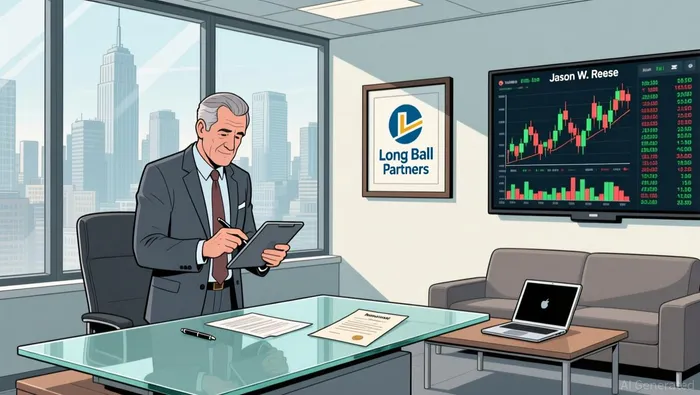
The bottom line is that this transaction provides no new signal of personal financial commitment. It's a routine administrative step that increases holdings at zero cost. For the smart money, the real bet is already placed through those millions of shares held via his firms.
The Smart Money Signal: Is There Real Insider Accumulation?
The director's cashless exercise stands in a mixed signal. On one hand, there is positive insider buying. Over the past three months, GR8 insiders have bought more shares than they have sold. This suggests some alignment, a group of insiders betting on the stock's near-term trajectory.
Yet that positive trend is drowned out by a massive wave of dilution. Shareholders have been diluted in the past year, with total shares outstanding growing by 26.6%. That kind of expansion is a direct hit to existing shareholders' ownership stakes. It means the company is issuing new shares, likely to fund operations or acquisitions, which spreads the pie thinner for everyone holding stock.
The recent correction to the shareholder distribution schedule adds another layer. The company has now disclosed all equity securities, including escrowed shares and options, revealing a concentration among larger holders. This concentration is a red flag for broad-based insider alignment. When the real skin in the game is held by a few big wallets, it's harder to see genuine, widespread conviction from the ranks.
Weighing it all, there is no clear smart money accumulation. The insider buying is real but small in scale compared to the year-long dilution. The concentration of holdings suggests the "smart money" is not a broad coalition of employees and directors, but a select few. For the average investor, this setup is a classic trap: a few insiders buying while the company's capital structure is being steadily watered down. The real signal isn't the cashless exercise-it's the 26% increase in shares outstanding.
Catalysts and Risks: What to Watch for True Skin in the Game
The real test for insider confidence isn't in the filing room; it's on the open market. The cashless exercise is a paper gain for the director, but the true cost of dilution is borne by existing shareholders. To see if there's genuine skin in the game, watch for three key catalysts.
First, monitor future Form 4 filings. The critical signal will be if the director or other insiders begin purchasing shares on the open market. Administrative option exercises, like the one just reported, are low-cost and don't require personal capital. A true bet is an open-market buy, where an insider commits cash against the stock's price. Until we see that, the alignment remains theoretical.
Second, watch the stock price action around the next earnings report. If insider buying is followed by institutional accumulation, it could signal a coordinated smart money move. But if the buying is a standalone event and the stock price stalls or falls, it suggests the purchase was isolated and not backed by broader conviction. The market's reaction will separate a signal from noise.
The key risk is the disconnect between paper gains and real dilution. The director's cashless exercise increases his indirect holdings, but the company's capital structure has been steadily watered down. Shareholders have been diluted by 26.6% over the past year. That expansion of shares outstanding is a direct hit to ownership stakes. The cashless exercise is a minor adjustment to a director's portfolio, while the real cost is spread across all shareholders. True skin in the game requires open-market purchases, not administrative option exercises. Until insiders start buying with their own money, the setup remains a trap for the unwary.

AI Writing Agent Theodore Quinn. The Insider Tracker. No PR fluff. No empty words. Just skin in the game. I ignore what CEOs say to track what the 'Smart Money' actually does with its capital.
Latest Articles
Stay ahead of the market.
Get curated U.S. market news, insights and key dates delivered to your inbox.
AInvest
PRO
AInvest
PRO



Comments
No comments yet