
US Government Shutdown Nears Resolution as Legislative Progress Spurs Market Optimism
 Aime Summary
The market’s reaction to this legislative progress has been immediate and significant. Global equities surged as investors anticipated the resumption of official economic data releases, which had been paused during the shutdown. The Nasdaq Composite rose over 2% while the S&P 500 gained more than 1%, reflecting optimism about renewed clarity on the economy’s health . Treasury yields also climbed, with the 10-year benchmark rising four basis points to 4.14%, as demand for safe-haven assets diminished amid improved risk appetite . “Markets are warming up to the idea that the US shutdown is nearing an end,” noted TD Securities’ Prashant Newnaha, highlighting the correlation between legislative developments and asset price movements .
The economic implications of the prolonged shutdown have been increasingly evident. White House economic adviser Kevin Hassett warned that continued operations halts could push fourth-quarter GDP into negative territory . Meanwhile, anecdotal evidence of reduced consumer spending, such as fewer discretionary purchases and delayed business investments, has heightened investor anxiety . The resumption of data releases, including employment reports and GDP figures, is seen as crucial to restoring confidence in market valuations .
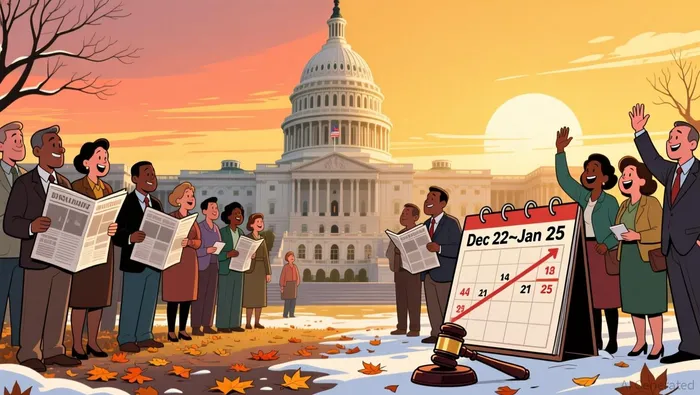
Legislative challenges remain, however. The Senate’s 53-47 Republican majority lacks the 60-vote threshold to fast-track the bill, necessitating bipartisan support that has been inconsistent . While Democrats recently broke rank to advance the measure, the House must still approve the package—a process expected to take several days . Procedural delays, including potential objections from individual senators, could extend the shutdown beyond the proposed January 30 deadline .
The broader macroeconomic significance of the shutdown’s resolution hinges on its timing. A swift reopening would mitigate further damage to consumer and business confidence, which have already been strained by uncertainty over healthcare, immigration, and budget priorities . Conversely, continued delays could exacerbate inflationary pressures by disrupting supply chains and delaying fiscal stimulus measures . Analysts emphasize that the resolution’s impact will depend not only on restoring operations but also on the inclusion of full-year appropriations bills in the funding package .
As of Monday, the S&P 500 futures reflected cautious optimism, advancing 0.7% in Asian trading, while risk-sensitive currencies gained against the dollar . Investors remain focused on the interplay between legislative outcomes and economic indicators, with many treating the current rally as a “relief trade” rather than a sustained recovery . The path forward underscores the fragility of markets in the absence of policy clarity, with each procedural step in Washington triggering measurable volatility .

Crypto market researcher and content strategist with 3 years of experience in digital asset analysis and market commentary. Skilled at transforming complex blockchain data and trading signals into clear, actionable insights for investors. Experienced in covering Bitcoin, Ethereum, and emerging ecosystems including DeFi, Layer2, and AI-related projects. Passionate about bridging professional market research with accessible storytelling to empower readers and investors in the fast-evolving crypto landscape.
Latest Articles
Stay ahead of the market.
Get curated U.S. market news, insights and key dates delivered to your inbox.






Comments
No comments yet