
Government shutdown halts SNAP, stifling $1.54B economic engine


 Aime Summary
The U.S. government shutdown, now in its 40th day, has intensified scrutiny over its impact on the Supplemental Nutrition Assistance Program (SNAP), with small grocers and community leaders condemning the policy as "inhumane." Ryan Sprankle, owner of a family-run grocery chain near Pittsburgh, has shifted from hosting presidential visits to sounding the alarm on how delayed SNAP benefits are crippling his business and the families it serves. "You can't take away from the most needy people in the country," Sprankle said, citing a 25% revenue drop from SNAP-dependent customers at his stores, ABC News.
The crisis began when the Trump administration froze federal funding for SNAP on November 1, leaving 42 million Americans without full food assistance. The USDA directed states to "immediately undo" any steps taken to issue full November benefits after the Supreme Court temporarily paused a lower court order mandating their release, The Guardian. This directive, coupled with threats of penalties for noncompliance, has left states and retailers in a legal and operational limbo.
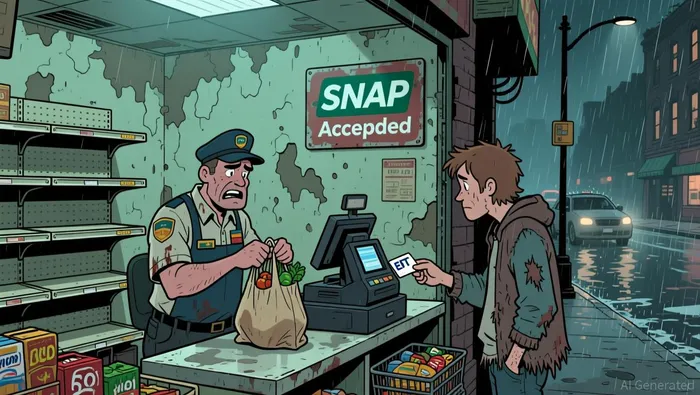 Small businesses, particularly independent grocers and convenience stores, have borne the brunt of the disruption. According to the U.S. Department of Agriculture, 14% of SNAP spending occurs at these smaller outlets, which often operate on razor-thin profit margins. Etharin Cousin, a former UN World Food Program director, emphasized that SNAP is not just a social safety net but a "local economic engine," generating $1.54 in economic activity for every dollar invested, ABC News.
In Hartford, Connecticut, the Grocery on Broad—a nonprofit store in a food-insecure neighborhood—has seen a sharp decline in foot traffic since the funding lapse. Ben Dubow, the store's executive director, noted that over half of their shoppers rely on SNAP, and the shortfall threatens both fresh inventory and community jobs. "The food ecosystem is really complex and has a huge economic impact," Dubow said, warning that the shutdown could foreshadow broader food insecurity challenges exacerbated by inflation and policy changes, CT Mirror.
The legal battle over SNAP funding has further muddied the waters. While Democratic attorneys general and nonprofits secured court orders to restore benefits, the Trump administration's appeal—and the Supreme Court's extension of the stay until November 13—has created a patchwork of compliance. Some states, like Wisconsin and Massachusetts, have defied federal directives, with Governor Tony Evers vowing to continue payments despite potential penalties, Investor Empires.
Meanwhile, the economic ripple effects are mounting. Kanbe's Markets, a nonprofit distributing produce in Kansas City, reported a 10% drop in convenience store sales and a surge in food pantry demand. Founder Maxfield Kaniger called the situation "intentional chaos," as grocers struggle to balance dwindling revenue with rising costs for perishable goods, ABC News.
The Senate passed a funding bill on November 9 to reopen the government and replenish SNAP, but the House has yet to vote. Analysts warn that even a swift resolution may not fully mitigate the damage. The Congressional Budget Office estimates the shutdown could cost the economy $14 billion, with small businesses facing long-term strain from lost sales and inventory waste, CT Mirror.
As the standoff continues, Sprankle and other grocers remain defiant. "If I have to sell my truck, we're going to give Christmas bonuses," he said, underscoring the personal stakes for families and employees alike, ABC News. For now, the fate of millions hinges on Congress's ability to end the impasse—and restore a lifeline for both struggling households and the small businesses that serve them.
---

Stay ahead of the market.
Get curated U.S. market news, insights and key dates delivered to your inbox.






Comments
No comments yet