
U.S. Government Deficit Rises 4% in Trump's First Full Month, Eroding Economic Confidence
The U.S. government deficit saw a 4% increase during President Trump's first full month in office. This rise occurred despite the influence of DOGE, a cryptocurrency that had been gaining attention in financial markets. The increase in the deficit indicated that the government was spending more than it was earning, a trend that could have long-term implications for the nation's economic stability.
UBS, a global financial services company, provided insight into the situation. According to UBSUBS--, the U.S. government was not only increasing its spending but also eroding economic confidence. This dual impact of rising deficits and declining confidence could create a challenging environment for economic growth. The combination of higher deficits and lower confidence could lead to reduced investment and consumer spending, further complicating the economic landscape.
The rise in the government deficit and its impact on economic confidence highlighted the complexities of fiscal policy. The Trump administration's approach to economic management was under scrutiny, as the deficit increase suggested a departure from traditional fiscal conservatism. The administration's policies, including tax cuts and increased government spending, were aimed at stimulating economic growth. However, the rise in the deficit raised questions about the sustainability of these policies and their long-term effects on the economy.
The situation underscored the delicate balance between fiscal stimulus and economic confidence. While increased government spending could provide a short-term boost to the economy, it could also erode confidence if it led to higher deficits and increased debt. The challenge for policymakers was to find a way to stimulate economic growth without compromising long-term fiscal stability. The rise in the deficit during Trump's first full month in office was a clear indication that this balance was proving difficult to achieve.
The impact of the deficit increase on economic confidence was a critical factor to consider. UBS's analysis suggested that the government's actions were not only affecting spending but also eroding the public's trust in the economy. This erosion of confidence could have far-reaching consequences, as it could lead to reduced investment, lower consumer spending, and a slower pace of economic growth. The situation highlighted the importance of maintaining economic confidence, as it was a key driver of economic activity.
In conclusion, the 4% increase in the U.S. government deficit during Trump's first full month in office was a significant development with far-reaching implications. The rise in the deficit, coupled with the erosion of economic confidence, presented a complex challenge for policymakers. The situation underscored the need for a balanced approach to fiscal policy, one that could stimulate economic growth without compromising long-term fiscal stability. The impact of the deficit increase on economic confidence was a critical factor to consider, as it could have significant consequences for the economy in the years to come. 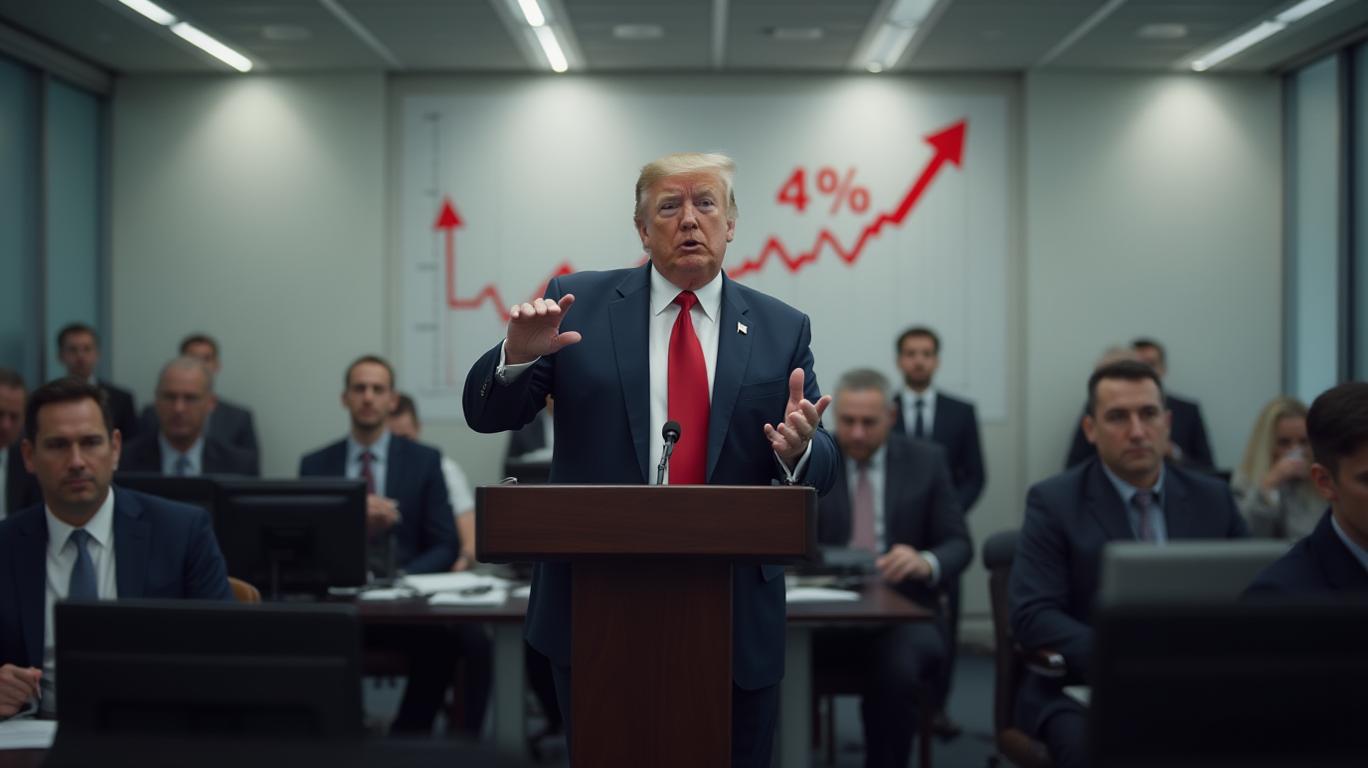

Stay ahead of the market.
Get curated U.S. market news, insights and key dates delivered to your inbox.
AInvest
PRO
AInvest
PRO



Comments
No comments yet