
Google's U.S. Smartphone Manufacturing Effort Ends After One Year
In 2013, GoogleGOOGL--, through its acquisition of Motorola Mobility, embarked on an ambitious project to manufacture smartphones in the U.S. The company aimed to produce the Moto X smartphone at a plant in Fort Worth, Texas, defying conventional wisdom that manufacturing in the U.S. was too costly and inefficient. Google's executives were aware of the challenges but saw the endeavor as a bold bet on American manufacturing, especially at a time when AppleAAPL-- relied heavily on Chinese factories for iPhone production.
Google's strategy involved offering consumers the option to customize their Moto X phones with various colors and materials, including bamboo and walnut backs, and personalized engraving. This customization was well-suited to the on-shoring plan, as it allowed for quicker delivery to domestic customers and saved on shipping costs. The company also played up the device’s patriotic appeal, with high-profile figures like then-Texas Governor Rick Perry and billionaire Mark Cuban attending the plant’s opening celebration.
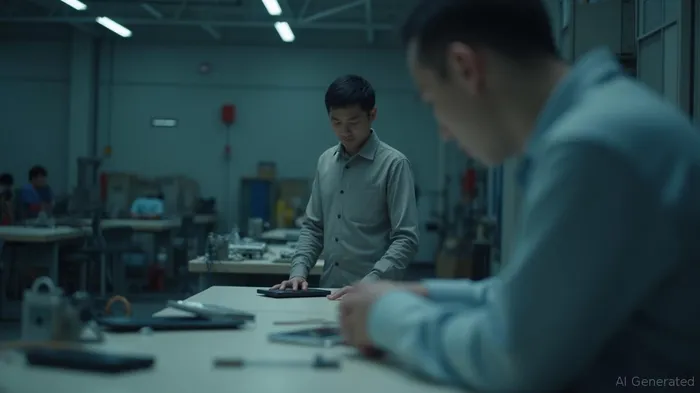
The plant, operated by Flextronics, handled only the final assembly of the phones, using components imported from Asia. While labor costs were higher in the U.S., the company believed the advantages of customization and quicker delivery justified the expense. Motorola also sold standardized versions of the Moto X to wireless carriers, ensuring a base level of demand and production at the factory.
However, despite initial optimism, the project faced significant challenges. The Moto X did not sell as well as expected, and the company struggled to achieve the cost savings from making the phone in large numbers. Critics gave the Moto X mixed reviews, praising its customization options and design but criticizing its storage capacity and screen quality. Within a year, Google sold the Motorola phone business and pulled the plug on the U.S. manufacturing effort, marking the end of a major company's attempt to produce a U.S.-made smartphone.
Google's experience offers critical lessons for companies like Apple, which is currently under pressure from President Trump to bring iPhone production back to the U.S. Higher labor costs and limited domestic suppliers are significant hurdles, and Apple would likely face additional complications if it quickly shifted production. According to analysts, Apple would need to raise iPhone prices astronomically to make a profit, making the prospect of U.S. manufacturing seem unrealistic.
Apple has already accelerated a shift in its sourcing of iPhones to India to reduce exposure to Trump’s tariffs. The company has also promised to spend $500 billion in the U.S. over the next four years, but there has been no mention of bringing iPhone manufacturing back home. The trade war's ultimate outcome remains uncertain, with Trump delaying some import taxes and still negotiating others. However, his insistence on Apple producing iPhones in the U.S. rather than India suggests that the pressure on the company will continue.
Google's Moto X project highlights the complexities and challenges of U.S. smartphone manufacturing. The company's experience shows that while customization and patriotic appeal can be selling points, they are not enough to overcome the economic realities of globalization and the competitive landscape in the smartphone business. For Apple, the decision to bring iPhone production back to the U.S. would involve significant trade-offs and uncertainties, making it a complex and risky endeavor.

Stay ahead of the market.
Get curated U.S. market news, insights and key dates delivered to your inbox.




Comments
No comments yet