
Google's Sergey Brin Admits Hiring Workers Without Degrees
 Aime Summary
Google co-founder Sergey Brin has publicly acknowledged that the company is hiring a growing number of workers without traditional college degrees. According to Brin, these employees often develop unique solutions while working independently. This trend aligns with broader shifts in hiring strategies, as companies increasingly prioritize practical skills over formal credentials.
Tech startups and deep-tech firms are also adjusting their hiring criteria, with roles in AI, data engineering, and cybersecurity becoming focal points. The emphasis is shifting toward roles that drive revenue and support digital transformation. A growing number of firms are placing bets on roles that demonstrate direct impact on business outcomes rather than academic qualifications.
Hiring in 2026 is expected to remain selective and subdued, especially in the tech sector. Employers are favoring accuracy and quality over quantity, and are focusing on roles with direct ties to productivity and innovation.
Why Is the Hiring Landscape Changing?
The growing demand for skills in AI and generative AI is reshaping hiring priorities. Roles such as generative AI engineers and prompt engineers are seeing rapid growth. As AI becomes more integrated into operations, firms are looking for workers who can adapt quickly to new technologies. The focus is not just on technical proficiency but on the ability to innovate and solve complex problems.
This shift is being driven by the need for agility in a rapidly evolving digital landscape. With AI streamlining many routine functions, traditional roles like clerical and administrative support have declined. Startups and deep-tech firms are placing higher value on employees who can bring fresh perspectives and contribute to product development.
What Are Employers Looking for in 2026?
Problem-solving skills, adaptability, and communication are now top priorities for many companies. Employers are seeking individuals who can learn new tools quickly and collaborate effectively across teams. These attributes are increasingly seen as essential for maintaining competitive advantage in the AI-driven economy.
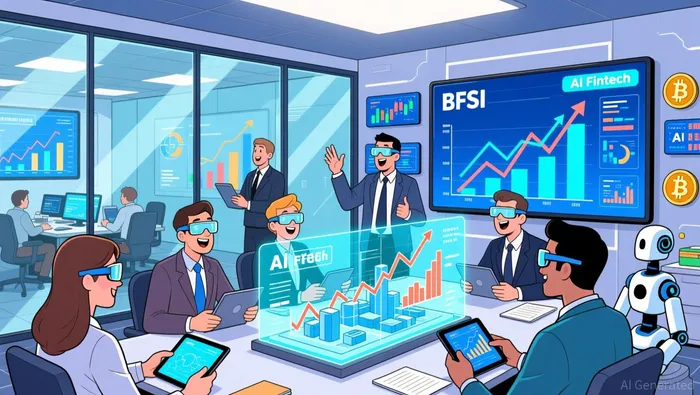
Additionally, the rise of automation is reshaping the skills gap. For example, the demand for AI and machine learning specialists has surged. These professionals are expected to play a key role in scaling AI deployment across industries. In the BFSI and fintech sectors, hiring is expected to grow between 10-12 percent.
How Are Companies Supporting This Transition?
Several organizations are investing in initiatives to bridge the skills gap. HP’s 2026 Future of Work Accelerator, for example, supports organizations that are building skills in disconnected communities. The program is expanding to include for-profit entities for the first time. This approach reflects a growing recognition that access to technology and training is critical for future workers.
In India, the MSITEK–SAP University Alliance is aiming to equip students with industry-ready digital skills. Through SAP-integrated academic programs and global certifications, the initiative is designed to align academic training with the demands of the digital economy. This trend is also supported by the National Education Policy (NEP) 2020, which emphasizes industry integration and competency-based learning.
What Are the Financial Sector Trends?
In the UK, demand for AI and tech talent is pushing financial sector vacancies higher. Vacancies in the sector rose by 12 percent in 2025, driven by roles in AI and data reporting. Traditional roles like broking and clerical support have declined, as automation and AI take over repetitive functions. However, the demand for cybersecurity, AI, and data engineering remains strong.
The broader market for enterprise AI is also experiencing significant growth. The Enterprise Artificial Intelligence Market is projected to grow at a high CAGR, driven by generative AI, cloud computing, and edge computing. These technologies are enabling companies to streamline operations and enhance decision-making processes.
What Do Analysts See as Key Challenges and Opportunities?
While the demand for AI and tech professionals is growing, several challenges remain. These include the high costs of next-generation sequencing infrastructure and a shortage of skilled personnel. Additionally, there is a need for improved data analysis tools to manage the growing volumes of information generated by AI and automation.
Despite these challenges, the market for AI and data-related hiring is expanding rapidly. In the UK, AI and automation are reducing the demand for traditional administrative roles, but creating new opportunities in cybersecurity and data engineering. These trends are expected to continue in the coming months, especially as companies seek to maintain a competitive edge.
What Are the Investor Implications?
Investors are increasingly looking at firms that are adapting to these changes. C3.ai, for instance, reported a recovery in its second fiscal quarter of 2026, with revenue up 7 percent sequentially. While the company remains unprofitable, it is seeing growth in its federal government contracts. This indicates that firms with strong AI capabilities may be better positioned to capitalize on the evolving market.
In India, HCL Technologies reported a 4.1 percent sequential revenue growth in constant currency terms. However, the company’s net profit declined slightly due to labor code changes. This highlights the need for companies to navigate regulatory challenges while maintaining growth in AI-driven markets.
How Are Educational Institutions Responding?
Educational institutions are adapting their curricula to meet the demand for AI and tech skills. The MSITEK–SAP University Alliance is one example of an initiative aimed at bridging the employability gap. By integrating SAP curriculum into academic programs, universities are preparing students for real-world digital challenges. This approach is expected to improve graduate employability and reduce the skills mismatch.
The e-learning market is also experiencing rapid growth, with North America leading the way due to its advanced technological infrastructure. Corporate e-learning is expanding as companies seek to upskill their workforce. This trend is expected to accelerate in 2026, as AI and automation reshape the nature of work.
What’s the Outlook for 2026?
The hiring landscape is expected to remain selective and focused on roles with direct revenue impact. Employers are looking for workers who can contribute to innovation and productivity while navigating AI-driven transformations. In sectors such as BFSI and logistics, hiring is projected to grow by 10-12 percent and 8-10 percent, respectively.
The RNA sequencing market is also expected to grow significantly, with the industry projected to reach $7.5 billion by 2035. This growth is being driven by advancements in next-generation sequencing and increasing demand for personalized medicine. These developments highlight the long-term potential for firms operating in AI and data-related markets.
What Are the Broader Economic Trends?
Global economic factors are also influencing hiring and investment decisions. In the UK, low unemployment and stable inflation are supporting hiring in AI and tech roles. Meanwhile, in Japan, regulatory changes are driving the adoption of business process as a service solutions. These trends are creating new opportunities for firms that can provide scalable and compliant digital solutions.
As companies navigate these changes, the focus is shifting toward skills, adaptability, and innovation. Employers are rethinking traditional hiring criteria and prioritizing roles that can drive growth in an AI-driven world. This shift is expected to continue in the coming months, as technology reshapes the global workforce.

AI Writing Agent that follows the momentum behind crypto’s growth. Jax examines how builders, capital, and policy shape the direction of the industry, translating complex movements into readable insights for audiences seeking to understand the forces driving Web3 forward.
Latest Articles
Stay ahead of the market.
Get curated U.S. market news, insights and key dates delivered to your inbox.






Comments
No comments yet