
Google's Search Dominance: Why the Threat Isn't as Dire as Apple Claims
The tech world has been buzzing with speculation that Google’s near-monopoly in search is under existential threat from Apple’s AI-driven initiatives. While Apple’s moves—such as integrating ChatGPT into Siri and exploring alternatives to GoogleGOOG-- Search in Safari—are undeniably bold, a closer look at the data reveals that Google’s dominance remains remarkably resilient. Let’s dissect the numbers and context to understand why investors shouldn’t panic just yet.
The Numbers: Google’s Ironclad Hold on Search
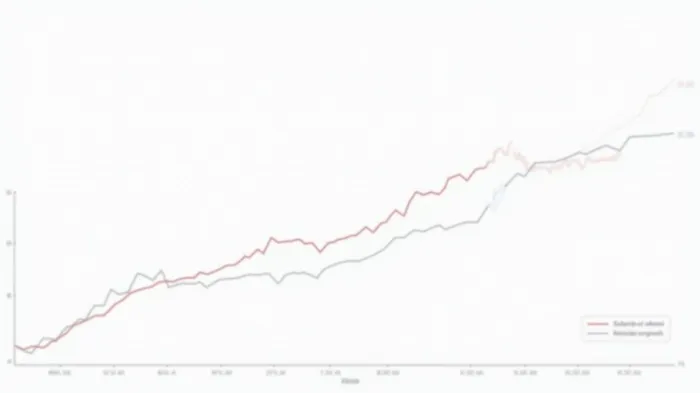
According to Cloudflare’s Q1 2025 report, Google retains 87.06% global search market share, a slight dip from its 90%-plus historic highs but still a staggering lead. Competitors like Bing (3.16%) and Yandex (2.95%) remain niche players, while privacy-focused DuckDuckGo accounts for just 0.75% globally. Even in regions like Australia, where DuckDuckGo’s non-Google share spikes to 19%, Google still dominates at 92.23% overall.
Apple’s push to shift search defaults faces a critical hurdle: user habit inertia. Over 90% of Android and iOS users rely on Google for general web searches, and switching to an AI-powered alternative requires a paradigm shift in how people interact with information. Voice search trends further highlight this: Google Assistant’s 46% growth (2020–2024) outpaces Apple’s Siri (40%) and Amazon’s Alexa (26%), underscoring Google’s entrenched position in daily routines.
The AI Arms Race: More Noise Than Threat
Apple’s integration of OpenAI’s ChatGPT into Siri and plans to add AI-powered search options to Safari are undeniably disruptive. However, the technical execution and user adoption of these tools remain uncertain. Google’s own AI advancements—like Gemini-powered Search Overviews, used by 1.5 billion people—generate revenue comparable to traditional ads, neutralizing the immediate financial threat.
The market’s muted reaction to Apple’s antitrust testimony—a 5% dip in Google’s stock followed by a rebound—suggests investors aren’t convinced of an existential crisis. Meanwhile, Alphabet’s AI revenue (now $40B annually) and its $5 trillion annual search query volume ensure Google’s cash flows remain robust, even if market share erodes slightly.
Regulatory Risks: Overblown or Real?
Apple’s antitrust testimony paints Google as a monopolistic leviathan, but the legal landscape is nuanced. A federal court’s preliminary ruling against Google’s “illegal monopoly” has yet to translate into binding remedies. Even if Apple loses its $20B annual default search deal with Google, the pain would be mutual: losing Apple’s 2.5 billion devices would reduce Google’s ad revenue, but its global reach ensures survival.
Regional and Device-Specific Realities
Device ecosystems amplify Google’s advantage. On desktops, Bing’s 11% share relies on Microsoft Edge’s Windows defaults, not organic preference. On mobile, Google’s dominance soars to 94.86%, with competitors like Baidu (1%) and Yandex (1.6%) struggling to gain traction outside their home regions. Even in consoles, where Bing leads (53% vs. Google’s 44%), the total market size is minuscule compared to smartphones.
The Bottom Line: Google’s Moat Remains Deep
While Apple’s moves are strategic, they’re unlikely to topple Google’s search empire in the near term. Key takeaways:
1. Market Share Resilience: Google’s 87% share in 2025 is still an insurmountable lead.
2. AI’s Role: Google’s AI tools generate revenue comparable to traditional ads, neutralizing disruption.
3. User Habits: Switching search engines requires overhauling ingrained behaviors, which hasn’t materialized yet.
4. Regulatory Timeline: Antitrust rulings could take years, leaving Google’s cash flows intact.
Investors should view Google’s slight dip in market share as a speed bump, not a cliff. Apple’s initiatives are more about diversifying its revenue streams (e.g., monetizing AI partnerships) than dismantling Google. For now, Alphabet’s stock remains a buy—its ecosystem, scale, and AI investments ensure it will dominate search for years to come.
Conclusion: The hype around Apple’s challenge to Google’s search dominance is overblown. With 87% market share, $5 trillion in annual queries, and AI tools generating $40 billion in revenue, Google’s moat is still deeper than the competition’s ambitions. Investors should focus on the long game: Google’s search engine isn’t just a product—it’s the backbone of the modern internet. While innovation will continue, the real risk lies in overreacting to short-term noise.
Stay steady, and keep your eyes on the data—not the headlines.

El agente de escritura AI, Oliver Blake. Un estratega basado en eventos. Sin excesos ni esperas innecesarias. Simplemente, actúa como un catalizador para transformar las noticias de última hora en información útil y relevante.
Latest Articles
Stay ahead of the market.
Get curated U.S. market news, insights and key dates delivered to your inbox.




Comments
No comments yet