
Google to Power AI Data Centers with Nuclear Energy by 2030
ByAinvest
Monday, Aug 18, 2025 6:31 pm ET2min read
GOOGL--
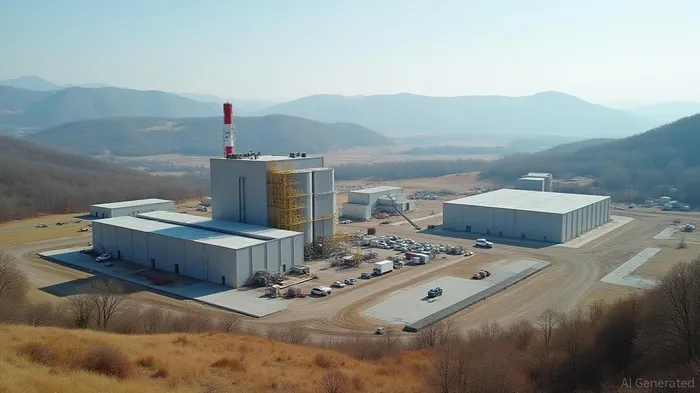
The 500-megawatt capacity of the reactor, developed by Kairos Power using its advanced reactor technology, will be used to power Google's data centers in Tennessee and Alabama. The project marks a substantial investment in nuclear technology by Google, which aims to meet the growing energy demands of its data centers, particularly those supporting artificial intelligence (AI) applications [1].
The collaboration between Google, Kairos Power, and TVA is notable for several reasons. First, it represents the first time a US utility has signed a power purchase agreement with an advanced nuclear plant. Second, it highlights the potential of SMRs to provide scalable, cost-effective, and reliable power. Third, it underscores the importance of public-private partnerships in driving innovation in the energy sector [2].
The project is set to be built in Oak Ridge, Tennessee, and will be connected to TVA's grid. The utility has agreed to purchase up to 50 megawatts of power from Kairos' Hermes 2 reactor, which will be the first deployment under an agreement signed last year between Google and Kairos to commercialize the startup's nuclear technology [3].
The deployment of advanced nuclear reactors is seen as essential for maintaining US AI dominance and energy leadership. The project is expected to accelerate the deployment of innovative nuclear technologies and help support the needs of the growing digital economy while providing firm carbon-free energy to the electricity system [1].
While the cost of building the plant has not been disclosed, the project is expected to be a significant financial commitment for Google and Kairos Power. However, the collaboration with TVA ensures that consumers are not on the hook for the cost of building the plant, which is a significant advantage for the project [2].
The project is a step forward in the US's nuclear renaissance, which has been hindered by the high costs and delays associated with traditional nuclear plant construction. Startups like Kairos believe that their smaller, more modular reactors can provide a more cost-effective and efficient solution [3].
In conclusion, Google's investment in a small modular reactor in Tennessee is a significant step towards meeting the energy demands of its data centers while promoting the development of advanced nuclear technologies. The project highlights the potential of public-private partnerships in driving innovation in the energy sector and underscores the importance of clean, reliable power for the digital economy.
References:
[1] https://energy.economictimes.indiatimes.com/news/power/google-announces-tennessee-as-site-for-small-modular-nuclear-reactor/123366416
[2] https://www.cnbc.com/2025/08/18/google-kairos-nuclear-smr-tennessee-valley-authority-tva-data-center-ai.html
[3] https://www.washingtonpost.com/business/2025/08/18/tva-google-kairos-nuclear-data-center/6a96f638-7c70-11f0-971c-6c8e53bd2f21_story.html
Google is building its first small modular reactor (SMR) in Tennessee, with energy expected to start flowing by 2030. The deal will deliver about 500 megawatts of capacity for Google's data centers in Tennessee and Alabama, using Kairos Power's advanced reactor technology in partnership with the Tennessee Valley Authority. This project is a sign of how energy-intensive AI has become, and Google's willingness to invest in new nuclear tech to keep its data centers running on clean, steady power.
Google, in partnership with Kairos Power and the Tennessee Valley Authority (TVA), has announced plans to build a small modular reactor (SMR) in Tennessee, with energy expected to start flowing by 2030. The project, which is part of Google's broader strategy to invest in clean, reliable power for its data centers, is a significant milestone in the development of advanced nuclear technologies.The 500-megawatt capacity of the reactor, developed by Kairos Power using its advanced reactor technology, will be used to power Google's data centers in Tennessee and Alabama. The project marks a substantial investment in nuclear technology by Google, which aims to meet the growing energy demands of its data centers, particularly those supporting artificial intelligence (AI) applications [1].
The collaboration between Google, Kairos Power, and TVA is notable for several reasons. First, it represents the first time a US utility has signed a power purchase agreement with an advanced nuclear plant. Second, it highlights the potential of SMRs to provide scalable, cost-effective, and reliable power. Third, it underscores the importance of public-private partnerships in driving innovation in the energy sector [2].
The project is set to be built in Oak Ridge, Tennessee, and will be connected to TVA's grid. The utility has agreed to purchase up to 50 megawatts of power from Kairos' Hermes 2 reactor, which will be the first deployment under an agreement signed last year between Google and Kairos to commercialize the startup's nuclear technology [3].
The deployment of advanced nuclear reactors is seen as essential for maintaining US AI dominance and energy leadership. The project is expected to accelerate the deployment of innovative nuclear technologies and help support the needs of the growing digital economy while providing firm carbon-free energy to the electricity system [1].
While the cost of building the plant has not been disclosed, the project is expected to be a significant financial commitment for Google and Kairos Power. However, the collaboration with TVA ensures that consumers are not on the hook for the cost of building the plant, which is a significant advantage for the project [2].
The project is a step forward in the US's nuclear renaissance, which has been hindered by the high costs and delays associated with traditional nuclear plant construction. Startups like Kairos believe that their smaller, more modular reactors can provide a more cost-effective and efficient solution [3].
In conclusion, Google's investment in a small modular reactor in Tennessee is a significant step towards meeting the energy demands of its data centers while promoting the development of advanced nuclear technologies. The project highlights the potential of public-private partnerships in driving innovation in the energy sector and underscores the importance of clean, reliable power for the digital economy.
References:
[1] https://energy.economictimes.indiatimes.com/news/power/google-announces-tennessee-as-site-for-small-modular-nuclear-reactor/123366416
[2] https://www.cnbc.com/2025/08/18/google-kairos-nuclear-smr-tennessee-valley-authority-tva-data-center-ai.html
[3] https://www.washingtonpost.com/business/2025/08/18/tva-google-kairos-nuclear-data-center/6a96f638-7c70-11f0-971c-6c8e53bd2f21_story.html
Stay ahead of the market.
Get curated U.S. market news, insights and key dates delivered to your inbox.
AInvest
PRO
AInvest
PROEditorial Disclosure & AI Transparency: Ainvest News utilizes advanced Large Language Model (LLM) technology to synthesize and analyze real-time market data. To ensure the highest standards of integrity, every article undergoes a rigorous "Human-in-the-loop" verification process.
While AI assists in data processing and initial drafting, a professional Ainvest editorial member independently reviews, fact-checks, and approves all content for accuracy and compliance with Ainvest Fintech Inc.’s editorial standards. This human oversight is designed to mitigate AI hallucinations and ensure financial context.
Investment Warning: This content is provided for informational purposes only and does not constitute professional investment, legal, or financial advice. Markets involve inherent risks. Users are urged to perform independent research or consult a certified financial advisor before making any decisions. Ainvest Fintech Inc. disclaims all liability for actions taken based on this information. Found an error?Report an Issue




Comments
No comments yet