
Google Pixel 10a Set to Launch with Last Year's Tensor G4 Chip in March 2026
ByAinvest
Tuesday, Sep 2, 2025 6:06 am ET2min read
GOOGL--
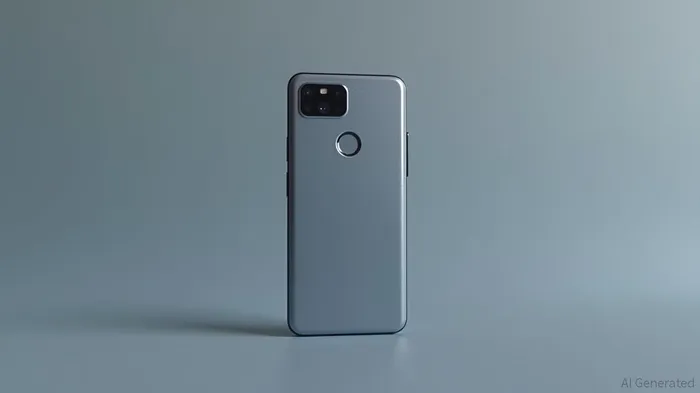
Google is set to release the Pixel 10a, codenamed "stallion," with a notable departure from its recent strategy. The device will feature the last year's Tensor G4 chip, a shift from using the newer Tensor G5 in other Pixel models. This move has sparked mixed reactions among tech enthusiasts and industry experts [1].
The Pixel 10a is expected to feature a display with up to 2,000 nits of HDR brightness and 128GB of UFS 3.1 storage. While the display upgrade is a positive development, the storage speed may be a concern. UFS 4.0, which offers double the peak read throughput and write speeds compared to UFS 3.1, is becoming the standard in the midrange market [1].
One of the most significant compromises is the camera setup. The Pixel 10a is not expected to include a telephoto lens, despite the standard Pixel 10 reportedly featuring one. This omission may limit the device's optical reach, especially in a market where competitors are increasingly offering telephoto lenses at similar price points [1].
The Pixel 10a's performance and feature set may be gated by its use of the Tensor G4 chip. This could potentially exclude it from supporting new AI features like Magic Cue, which relies on the Tensor G5. Google has historically backported marquee software tricks to older hardware, but the 10a's reliance on last-gen silicon could limit its ability to keep pace with future updates [1].
Google's midrange strategy has traditionally relied on software polish, camera consistency, and long support timelines. However, the Pixel 10a's leaked specifications suggest that it may not offer significant upgrades over the Pixel 9a, which could make it less appealing to consumers in a crowded midrange market [1].
The Pixel 10a is expected to launch in March or April 2026, with pricing likely to be similar to previous "a" models. If Google can maintain its long-term software support promise, the Pixel 10a may still find a niche among consumers who prioritize stability and consistency. However, the device's reliance on last-gen hardware and the potential exclusion of new AI features could temper excitement and make it harder to compete in the midrange market [1].
In conclusion, the Pixel 10a's use of the Tensor G4 chip and its lack of significant upgrades over the Pixel 9a may make it a tune-up rather than a breakthrough. Google will need to ensure that its long-term software support and competitive pricing can make up for these compromises to remain relevant in the midrange market.
# References:
[1] https://www.findarticles.com/pixel-10a-leaks-point-to-a-bland-refresh/
[2] https://www.phonearena.com/news/Google-may-be-dooming-the-Pixel-10a-to-failure-with-this-surprising-decision_id173709
Google is developing the Pixel 10a with last year's Tensor G4 chip, a shift from its recent strategy. The device is internally referred to as "stallion" and is expected to feature a display with up to 2,000 nits of HDR brightness and 128GB of UFS 3.1 storage. The Pixel 10a will likely retain the same camera setup as the Pixel 9a and launch in March or April 2026.
Title: Google's Pixel 10a: A Midrange Refresh or a Missed Opportunity?Google is set to release the Pixel 10a, codenamed "stallion," with a notable departure from its recent strategy. The device will feature the last year's Tensor G4 chip, a shift from using the newer Tensor G5 in other Pixel models. This move has sparked mixed reactions among tech enthusiasts and industry experts [1].
The Pixel 10a is expected to feature a display with up to 2,000 nits of HDR brightness and 128GB of UFS 3.1 storage. While the display upgrade is a positive development, the storage speed may be a concern. UFS 4.0, which offers double the peak read throughput and write speeds compared to UFS 3.1, is becoming the standard in the midrange market [1].
One of the most significant compromises is the camera setup. The Pixel 10a is not expected to include a telephoto lens, despite the standard Pixel 10 reportedly featuring one. This omission may limit the device's optical reach, especially in a market where competitors are increasingly offering telephoto lenses at similar price points [1].
The Pixel 10a's performance and feature set may be gated by its use of the Tensor G4 chip. This could potentially exclude it from supporting new AI features like Magic Cue, which relies on the Tensor G5. Google has historically backported marquee software tricks to older hardware, but the 10a's reliance on last-gen silicon could limit its ability to keep pace with future updates [1].
Google's midrange strategy has traditionally relied on software polish, camera consistency, and long support timelines. However, the Pixel 10a's leaked specifications suggest that it may not offer significant upgrades over the Pixel 9a, which could make it less appealing to consumers in a crowded midrange market [1].
The Pixel 10a is expected to launch in March or April 2026, with pricing likely to be similar to previous "a" models. If Google can maintain its long-term software support promise, the Pixel 10a may still find a niche among consumers who prioritize stability and consistency. However, the device's reliance on last-gen hardware and the potential exclusion of new AI features could temper excitement and make it harder to compete in the midrange market [1].
In conclusion, the Pixel 10a's use of the Tensor G4 chip and its lack of significant upgrades over the Pixel 9a may make it a tune-up rather than a breakthrough. Google will need to ensure that its long-term software support and competitive pricing can make up for these compromises to remain relevant in the midrange market.
# References:
[1] https://www.findarticles.com/pixel-10a-leaks-point-to-a-bland-refresh/
[2] https://www.phonearena.com/news/Google-may-be-dooming-the-Pixel-10a-to-failure-with-this-surprising-decision_id173709
Stay ahead of the market.
Get curated U.S. market news, insights and key dates delivered to your inbox.
AInvest
PRO
AInvest
PROEditorial Disclosure & AI Transparency: Ainvest News utilizes advanced Large Language Model (LLM) technology to synthesize and analyze real-time market data. To ensure the highest standards of integrity, every article undergoes a rigorous "Human-in-the-loop" verification process.
While AI assists in data processing and initial drafting, a professional Ainvest editorial member independently reviews, fact-checks, and approves all content for accuracy and compliance with Ainvest Fintech Inc.’s editorial standards. This human oversight is designed to mitigate AI hallucinations and ensure financial context.
Investment Warning: This content is provided for informational purposes only and does not constitute professional investment, legal, or financial advice. Markets involve inherent risks. Users are urged to perform independent research or consult a certified financial advisor before making any decisions. Ainvest Fintech Inc. disclaims all liability for actions taken based on this information. Found an error?Report an Issue




Comments
No comments yet