
Google's Payments to Samsung Under Antitrust Lens as Gemini AI Deal Sparks Legal Debate
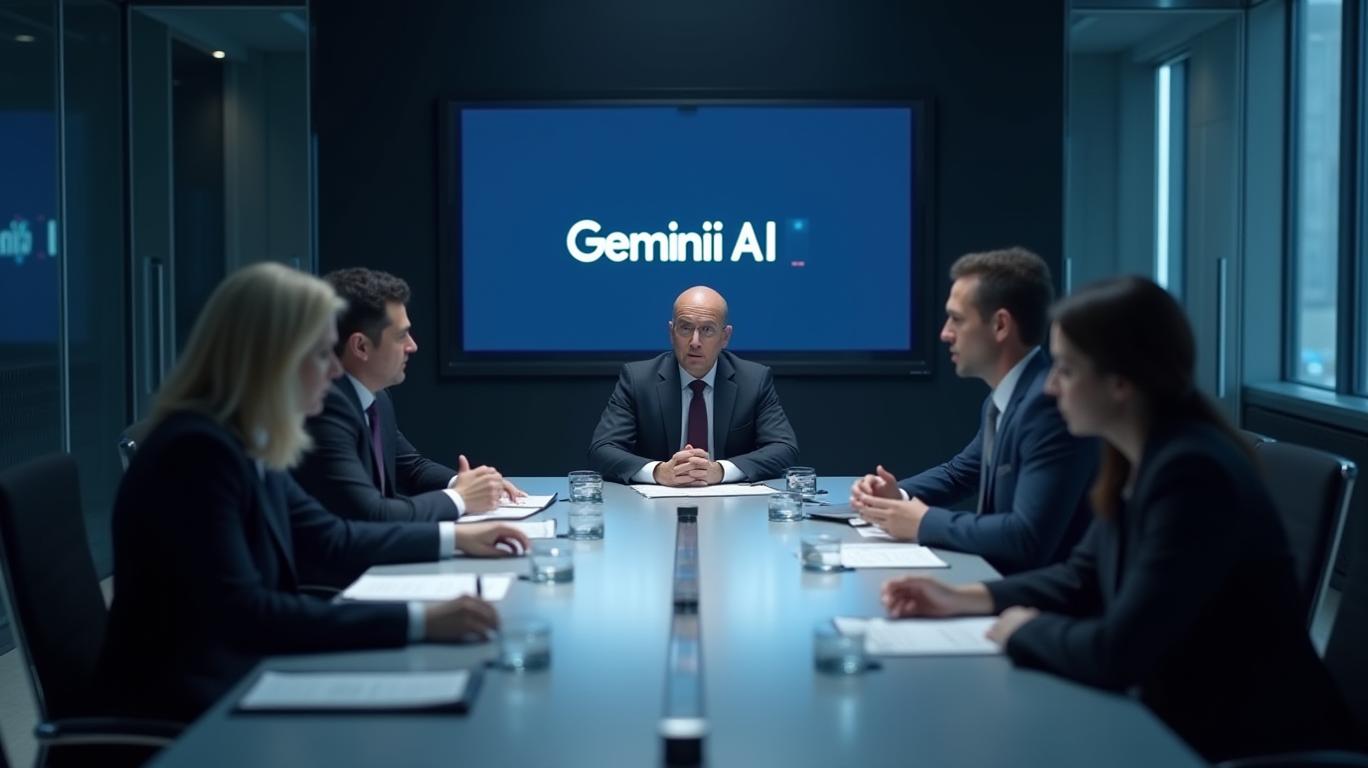
In recent legal proceedings, GoogleGOOG-- (GOOGL.US) is reportedly making significant monthly payments to Samsung Electronics (SSNLF.US) to ensure the pre-installation of its generative AI application, Gemini, on Samsung devices. This arrangement, although previously deemed illegal in similar cases, has come under scrutiny with ongoing antitrust assessments.
Peter Fitzgerald, Google's Vice President of Product Partnerships, testified in the Washington D.C. federal court that these payments commenced in January this year. He revealed to Judge Amit Mehta the deal’s two-year minimum duration, with Google agreeing to pay a fixed monthly amount based on device count, along with a share of advertising revenue generated via the Gemini app.
Judge Mehta, who previously ruled Google's payments for default search engine status on Samsung devices as a breach of antitrust laws, is now evaluating evidence to determine necessary corrections to Google's practices. The exact figures paid by Google to Samsung remain undisclosed, though labeled as substantial by the Justice Department's David Dahlquist during proceedings.
This case adds to the broader legal challenges Google faces regarding its dominance in the tech space. In a similar antitrust case, it was disclosed that from 2020 to 2023, Google paid Samsung $8 billion for securing default settings for its search engine, Play Store, and Google Assistant on Samsung devices. Following a jury's decision that found Google abusing its Google Play policies to maintain market control, a California federal judge mandated changes enabling competitive app stores and billing systems, which Google is currently appealing.
The ongoing antitrust trials underscore the rising regulatory pressures on Google, as it grapples with accusations of monopolistic practices across various aspects of its business, including online search and advertising. Proposed remedies by regulators have suggested drastic measures such as selling the Chrome browser and sharing search engine data with competitors, proposals Google argues would undermine technological leadership and harm consumer interests.
The judicial outcome in this case could have substantial repercussions on US technology industry regulations and strategies to manage business concentrations, drawing parallels to historic antitrust confrontations like the Microsoft breakup attempt two decades ago. Any enforcement of remedies could be protracted, hinging on appeals that could reach the Supreme Court.

Stay ahead of the market.
Get curated U.S. market news, insights and key dates delivered to your inbox.
AInvest
PRO
AInvest
PRO



Comments
No comments yet