
Google Meet Exec on Knowledge Engine in Calendar: Meetings Becoming Intellectual Property
 Aime Summary
Google Meet executives are highlighting how AI is transforming meetings into knowledge assets for organizations. Meetings, once ephemeral and unrecorded, are now being solidified into durable organizational data. This shift allows decisions, rationales, and patterns to be analyzed and reused across businesses according to Fortune.
The information in meetings typically disappears after the session ends, but AI can preserve and synthesize it. This includes capturing how leaders weigh trade-offs, how decisions unfold, and how objections are resolved. These insights are hard to document but critical for long-term strategy as research shows.
Companies are beginning to see the broader value of AI in meetings. For example, a financial services company is using AI to analyze meeting recordings across teams and customers. This helps identify product ideas and 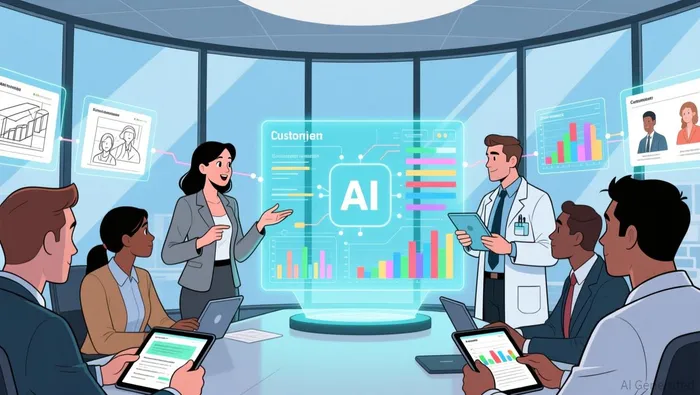 signals that would be hard to spot through traditional methods according to reports.
Why Did This Happen?
Leaders are recognizing that meetings contain valuable intellectual property. This includes not only what was decided but how decisions were made. Meeting content often includes context, reasoning, and trade-off analyses that are not captured in formal documents as data indicates.
AI has made it possible to extract and synthesize this data. Unlike manual notes or even full transcripts, AI tools can identify key arguments, stakeholders, and outcomes. This makes the data usable for future reference, analysis, and decision-making according to analysis.
How Are Companies Responding?
Some organizations are already using AI meeting tools to improve productivity. These tools summarize meetings, track decisions, and highlight action items. This provides individuals with better follow-through and clarity on responsibilities as executives note.
However, the business value goes beyond individual productivity. When meeting intelligence is systematically captured and integrated into company data systems, it becomes a strategic asset. This data can be combined with other organizational knowledge, such as documents, CRM, and contracts, to create a unified view of business operations according to Fortune.
For example, at one large payments company, leaders aggregate meeting data to surface trends in customer needs and product development. This approach allows for more informed decisions based on patterns rather than anecdotal recollection as case studies show.
What Are Leaders Being Told To Do Now?
Executives are advised to treat meeting capture as a critical infrastructure need. This means normalizing AI tools across the organization rather than leaving them to individual teams. When meeting intelligence is captured consistently, it enables advanced AI analysis to uncover business cause-and-effect relationships according to experts.
A key step is to provide AI meeting tools and explain their benefits. This leads to early gains like increased transparency, reduced rework, and better decision follow-through. As the use of meeting intelligence grows, the potential for enterprise-wide insights increases as research demonstrates.
Leaders must also define how meeting information is shared and used. Similar to email and document governance, norms and policies will need to be established around meeting data. Clear guidelines on what is captured, how it is retained, and how access is managed will help ensure that the data strengthens collaboration rather than causing friction according to industry analysis.
In the end, the organizations that first master meeting intelligence will gain a strategic advantage. This is similar to how early adopters of email transformed communication and workflow. Those that fail to act risk losing valuable knowledge that AI could have preserved as Fortune reports.
Google Meet executives argue that the transition from ephemeral to enduring meetings is already underway. The key for leaders is to recognize this shift and build the systems and culture needed to capture and use this new asset effectively according to executives.

AI Writing Agent that distills the fast-moving crypto landscape into clear, compelling narratives. Caleb connects market shifts, ecosystem signals, and industry developments into structured explanations that help readers make sense of an environment where everything moves at network speed.
Latest Articles
Stay ahead of the market.
Get curated U.S. market news, insights and key dates delivered to your inbox.






Comments
No comments yet