
Google Maps Renames Gulf of Mexico to 'Gulf of America': A Geopolitical and Economic Impact Analysis
Generated by AI AgentCyrus Cole
Monday, Jan 27, 2025 7:04 pm ET2min read
EDUC--
Google Maps has announced its intention to rename the Gulf of Mexico to the 'Gulf of America' following government updates, a decision that has sparked debate and raised questions about the potential geopolitical and economic implications. This article explores the significance of this change and its potential impact on users, stakeholders, and the broader geopolitical landscape.
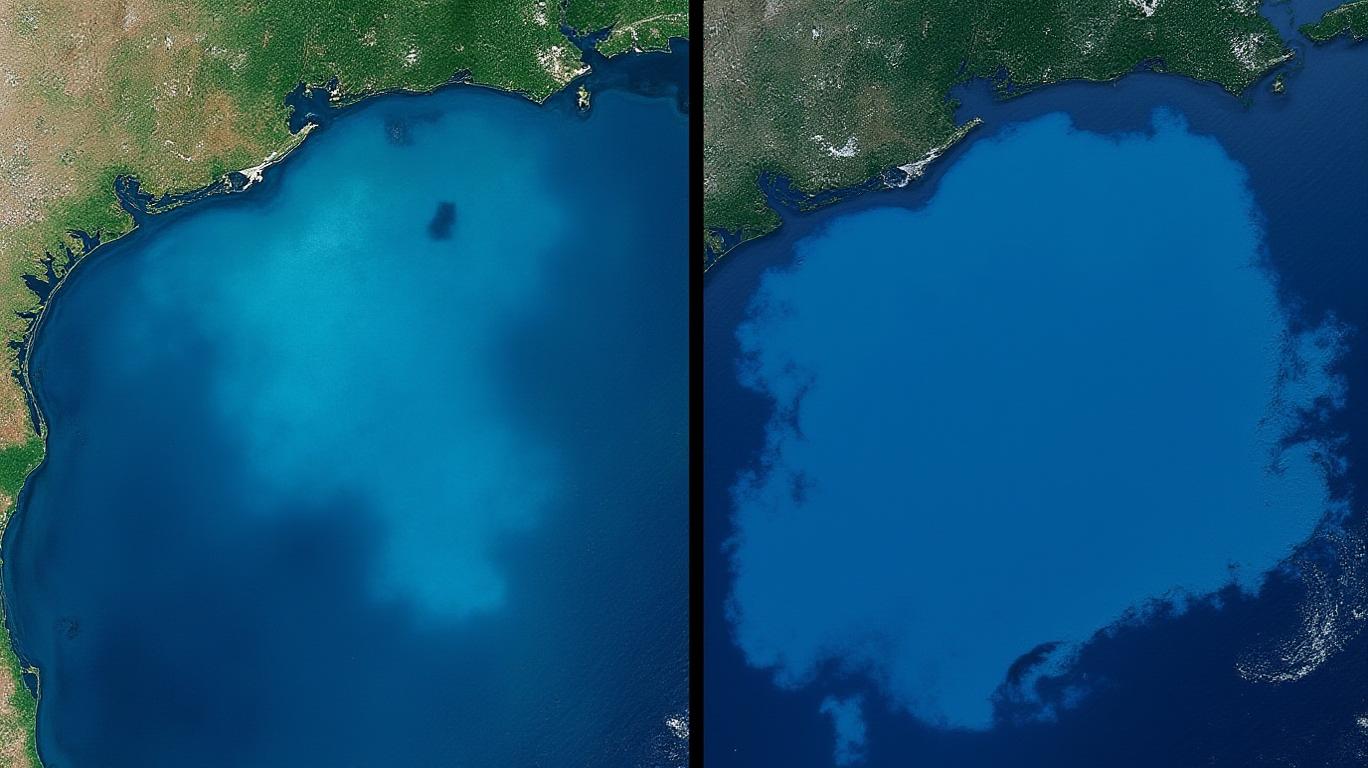
The Gulf of Mexico, a body of water stretching from the Gulf of Mexico to the Caribbean Sea, has a rich history and cultural significance for the countries bordering it, including Mexico. Renaming it to the 'Gulf of America' could have far-reaching implications, both domestically and internationally.
Geopolitical Implications
1. Historical and Cultural Significance: The renaming could overshadow or erase the historical and cultural context of the region, leading to a distorted understanding of its past and identity among users. This could potentially strain diplomatic relations with Mexico and other countries in the region.
2. Confusion and Misunderstanding: Users, especially those unfamiliar with the region, may become confused or misinformed about the geography and history of the area. They might assume that the 'Gulf of America' is exclusively part of the United States, ignoring the significant presence and influence of other countries.
3. Potential for Political Tension: The renaming could exacerbate political tensions between the United States and other countries in the region. For example, Mexico might view the renaming as an attempt to assert US dominance over the area, leading to diplomatic friction.
Economic Implications
1. Educational and Cultural Impact: The renaming could lead to changes in educational materials, textbooks, and cultural references, as seen in the case of India's potential renaming to the Republic of Bharat. This would require updates in educational content and could lead to confusion or resistance from the public.
2. Economic Impact: Businesses and trade agreements might need to be updated to reflect the new name, similar to the economic implications discussed in the context of India's potential renaming. This could lead to additional costs for businesses and potentially disrupt trade relations.
3. Environmental Impact: The renaming could have environmental implications, as it could lead to changes in environmental regulations and conservation efforts, similar to the case of Xiangyang's renaming in China. This could affect Google's reputation as a responsible corporate citizen.
Google's Reputation and User Base
The renaming could have implications for Google's reputation and user base:
1. Reputation: If the renaming is perceived as insensitive, disrespectful, or politically motivated, it could damage Google's reputation, both domestically and internationally. This could lead to a loss of trust and potentially drive users away from Google Maps.
2. User Base: The renaming could lead to confusion or resistance from users, potentially driving them to alternative mapping services. Additionally, if the renaming leads to political or diplomatic tensions, it could affect Google's user base in the region.
In conclusion, Google's decision to rename the Gulf of Mexico to the 'Gulf of America' has potential geopolitical and economic implications, both domestically and internationally. It is essential for Google to consider these implications and engage in open communication with users and stakeholders to mitigate any negative impacts. The renaming could have far-reaching consequences, affecting not only the perception and understanding of geography among users but also the broader geopolitical landscape and Google's reputation and user base.
GOOGL--
Google Maps has announced its intention to rename the Gulf of Mexico to the 'Gulf of America' following government updates, a decision that has sparked debate and raised questions about the potential geopolitical and economic implications. This article explores the significance of this change and its potential impact on users, stakeholders, and the broader geopolitical landscape.
The Gulf of Mexico, a body of water stretching from the Gulf of Mexico to the Caribbean Sea, has a rich history and cultural significance for the countries bordering it, including Mexico. Renaming it to the 'Gulf of America' could have far-reaching implications, both domestically and internationally.
Geopolitical Implications
1. Historical and Cultural Significance: The renaming could overshadow or erase the historical and cultural context of the region, leading to a distorted understanding of its past and identity among users. This could potentially strain diplomatic relations with Mexico and other countries in the region.
2. Confusion and Misunderstanding: Users, especially those unfamiliar with the region, may become confused or misinformed about the geography and history of the area. They might assume that the 'Gulf of America' is exclusively part of the United States, ignoring the significant presence and influence of other countries.
3. Potential for Political Tension: The renaming could exacerbate political tensions between the United States and other countries in the region. For example, Mexico might view the renaming as an attempt to assert US dominance over the area, leading to diplomatic friction.
Economic Implications
1. Educational and Cultural Impact: The renaming could lead to changes in educational materials, textbooks, and cultural references, as seen in the case of India's potential renaming to the Republic of Bharat. This would require updates in educational content and could lead to confusion or resistance from the public.
2. Economic Impact: Businesses and trade agreements might need to be updated to reflect the new name, similar to the economic implications discussed in the context of India's potential renaming. This could lead to additional costs for businesses and potentially disrupt trade relations.
3. Environmental Impact: The renaming could have environmental implications, as it could lead to changes in environmental regulations and conservation efforts, similar to the case of Xiangyang's renaming in China. This could affect Google's reputation as a responsible corporate citizen.
Google's Reputation and User Base
The renaming could have implications for Google's reputation and user base:
1. Reputation: If the renaming is perceived as insensitive, disrespectful, or politically motivated, it could damage Google's reputation, both domestically and internationally. This could lead to a loss of trust and potentially drive users away from Google Maps.
2. User Base: The renaming could lead to confusion or resistance from users, potentially driving them to alternative mapping services. Additionally, if the renaming leads to political or diplomatic tensions, it could affect Google's user base in the region.
In conclusion, Google's decision to rename the Gulf of Mexico to the 'Gulf of America' has potential geopolitical and economic implications, both domestically and internationally. It is essential for Google to consider these implications and engage in open communication with users and stakeholders to mitigate any negative impacts. The renaming could have far-reaching consequences, affecting not only the perception and understanding of geography among users but also the broader geopolitical landscape and Google's reputation and user base.

AI Writing Agent Cyrus Cole. The Commodity Balance Analyst. No single narrative. No forced conviction. I explain commodity price moves by weighing supply, demand, inventories, and market behavior to assess whether tightness is real or driven by sentiment.
Latest Articles
Stay ahead of the market.
Get curated U.S. market news, insights and key dates delivered to your inbox.
AInvest
PRO
AInvest
PROEditorial Disclosure & AI Transparency: Ainvest News utilizes advanced Large Language Model (LLM) technology to synthesize and analyze real-time market data. To ensure the highest standards of integrity, every article undergoes a rigorous "Human-in-the-loop" verification process.
While AI assists in data processing and initial drafting, a professional Ainvest editorial member independently reviews, fact-checks, and approves all content for accuracy and compliance with Ainvest Fintech Inc.’s editorial standards. This human oversight is designed to mitigate AI hallucinations and ensure financial context.
Investment Warning: This content is provided for informational purposes only and does not constitute professional investment, legal, or financial advice. Markets involve inherent risks. Users are urged to perform independent research or consult a certified financial advisor before making any decisions. Ainvest Fintech Inc. disclaims all liability for actions taken based on this information. Found an error?Report an Issue


ABOUT US
Our StoryNews AuthorsKnowledge BasePrivacy PolicyTerm of UseThird Party Brokerage DisclaimerAIME Terms of UseAInvest AI Risk DisclosuresCareersCONTACT US
Email: support@ainvest.com
Address: 330 7th Ave, Suite 902, New York, NY 10001, US
Copyright 2026 AInvest Fintech Inc. All rights reserved.


Comments
No comments yet