
Google Cuts AI Data Center Energy Use During Peak Demand in Grid Support Move
 Aime Summary
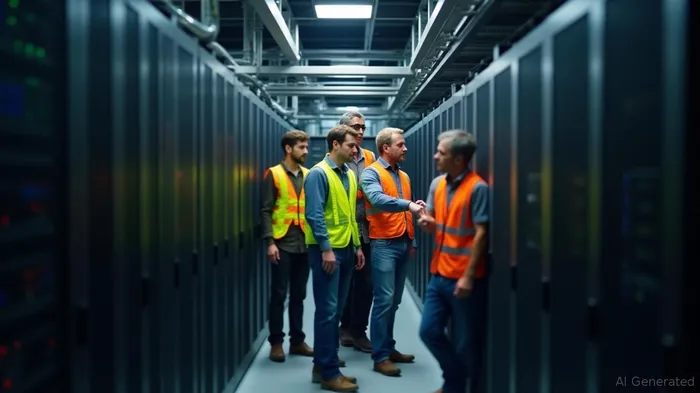
Google has taken a pioneering step among major U.S. technology companies by agreeing to reduce energy consumption at its artificial intelligence (AI) data centers during periods of peak electricity demand. The move is part of a broader effort to address growing concerns over the strain AI infrastructure is placing on the national power grid. Google has entered agreements with Indiana Michigan Power and the Tennessee Valley Authority to temporarily cut power use at its data centers, a strategy commonly referred to as a demand-response program[1].
The rapid expansion of AI technologies, including large language models and real-time data analysis, has led to a surge in energy demand. As a result, tech firms have increasingly sought new electricity connections to power their AI infrastructure, particularly in regions where electricity supply is already strained. In some cases, the demand for power from tech companies has outpaced available capacity, raising alarms among grid operators and local communities[1].
Under the demand-response program, Google agrees to reduce or delay non-essential machine learning workloads during high-demand periods. This allows more electricity to be redirected to critical infrastructure and residential customers. Such programs are designed to alleviate pressure on the grid, reduce emissions, and delay the need for new power plants or transmission infrastructure. Google highlighted that this approach offers flexibility that enables large consumers like data centers to integrate more quickly into the energy system while helping grid operators manage the network more efficiently[1].
While the exact financial terms of the agreements have not been disclosed, Google’s participation sets a potential precedent for other major tech firms, including MicrosoftMSFT--, AmazonAMZN--, and MetaMETA--, which are also scaling their AI operations. The move underscores a growing recognition among tech companies of their responsibility in managing energy use amid the global energy transition.
Source: [1] Google agrees to cut AI data center power use during peak demand (https://coinmarketcap.com/community/articles/6890f3e81137bf3ffd758da0/)

Stay ahead of the market.
Get curated U.S. market news, insights and key dates delivered to your inbox.






Comments
No comments yet