
The Good Times Are Over for Ocean Carriers as Pricing Power Plummets
Generated by AI AgentCyrus Cole
Thursday, Feb 27, 2025 10:46 am ET2min read
OCEA--
The container shipping industry has witnessed a significant shift in power dynamics between carriers and shippersSHIP-- in recent years, with the balance tilting in favor of the latter. This change can be attributed to several factors, including increased capacity, excess supply, and shifts in demand patterns and trade routes driven by geopolitical events and economic trends. As a result, the world's largest oceanOCEA-- carriers are facing a decline in their pricing power, a trend that is expected to continue in the near future.
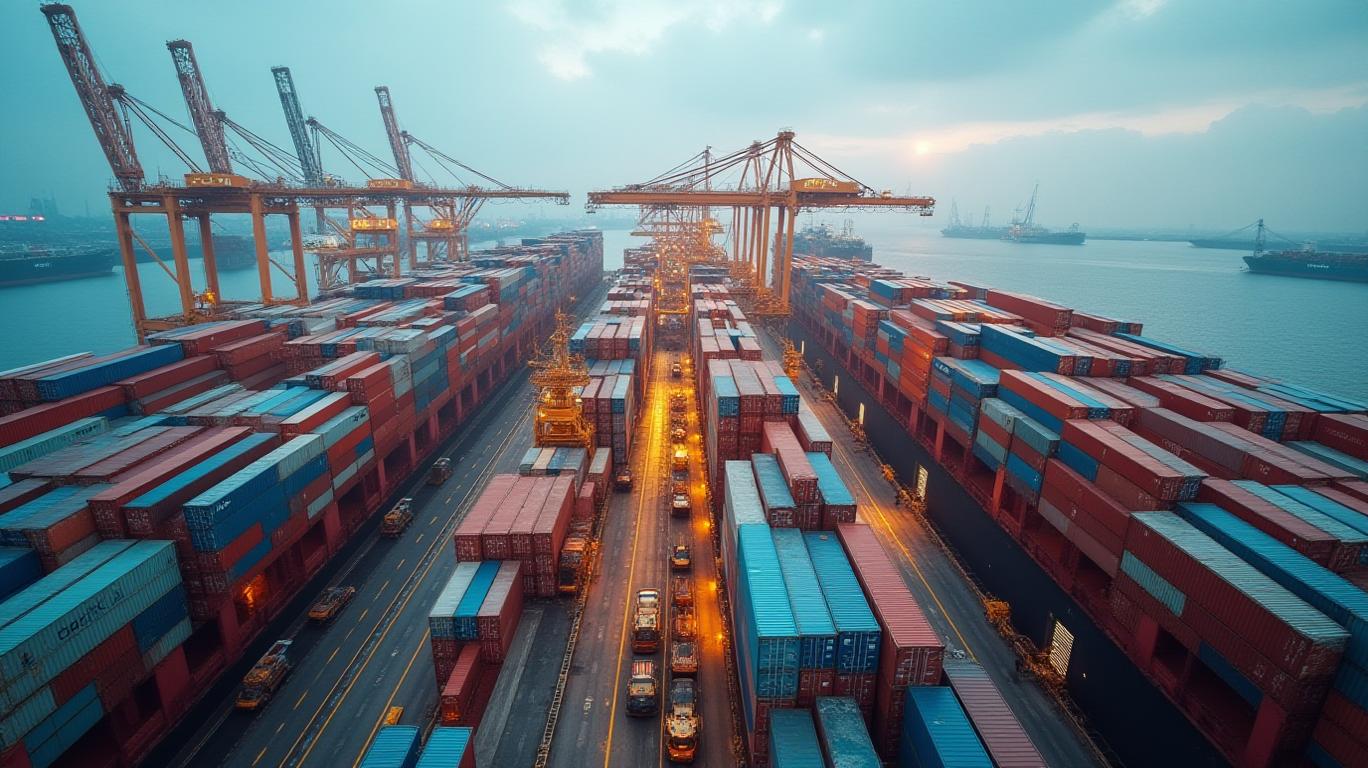
The excess capacity and supply situation in the container shipping industry have been the primary drivers behind the decline in pricing power for ocean carriers. The infusion of new tonnage into the market, coupled with the gradual return of shipping capacity and equipment to pre-COVID levels, has led to an oversupply of shipping services. This oversupply has driven down freight rates, making it more challenging for carriers to maintain their pricing power (Source: BIMCO).
The shifts in demand patterns and trade routes, driven by geopolitical events and economic trends, have further impacted the container shipping industry's dynamics. The Russia-Ukraine conflict and the subsequent realignment of trade patterns, as well as the commencement of hostilities in the Middle East, have led to increased risks for vessels and longer sailing distances, ultimately driving up costs and reducing carriers' ability to maintain high rates (Source: Industry overview).
The increased competition among carriers for a shrinking pool of cargo, coupled with the moderation of consumer sentiment and recessionary pressures, has further exacerbated the situation. As a result, carriers are facing significant challenges in maintaining their pricing power, with the balance of power slowly shifting in favor of shippers (Source: Industry overview).
Looking ahead, the dynamic between carriers and shippers is expected to continue evolving. As demand for shipping services remains tempered and capacity continues to grow, carriers may face further pressure to lower rates and improve services. However, if demand picks up and capacity becomes more constrained, the balance of power could shift back in favor of carriers. Additionally, geopolitical events and natural factors, such as the Middle East conflict and low water levels in major waterways, can introduce further uncertainty and volatility to the market (Source: Industry overview).
In conclusion, the good times for the world's largest ocean carriers appear to be over, as the industry faces a decline in pricing power due to increased capacity, excess supply, and shifts in demand patterns and trade routes. Carriers must adapt to this new reality and focus on improving operational efficiency, enhancing customer service, and developing contingency plans to navigate the evolving landscape. Shippers, on the other hand, should capitalize on the current situation to secure better terms and explore alternative shipping options to maintain their competitive edge.
SHIP--
The container shipping industry has witnessed a significant shift in power dynamics between carriers and shippersSHIP-- in recent years, with the balance tilting in favor of the latter. This change can be attributed to several factors, including increased capacity, excess supply, and shifts in demand patterns and trade routes driven by geopolitical events and economic trends. As a result, the world's largest oceanOCEA-- carriers are facing a decline in their pricing power, a trend that is expected to continue in the near future.
The excess capacity and supply situation in the container shipping industry have been the primary drivers behind the decline in pricing power for ocean carriers. The infusion of new tonnage into the market, coupled with the gradual return of shipping capacity and equipment to pre-COVID levels, has led to an oversupply of shipping services. This oversupply has driven down freight rates, making it more challenging for carriers to maintain their pricing power (Source: BIMCO).
The shifts in demand patterns and trade routes, driven by geopolitical events and economic trends, have further impacted the container shipping industry's dynamics. The Russia-Ukraine conflict and the subsequent realignment of trade patterns, as well as the commencement of hostilities in the Middle East, have led to increased risks for vessels and longer sailing distances, ultimately driving up costs and reducing carriers' ability to maintain high rates (Source: Industry overview).
The increased competition among carriers for a shrinking pool of cargo, coupled with the moderation of consumer sentiment and recessionary pressures, has further exacerbated the situation. As a result, carriers are facing significant challenges in maintaining their pricing power, with the balance of power slowly shifting in favor of shippers (Source: Industry overview).
Looking ahead, the dynamic between carriers and shippers is expected to continue evolving. As demand for shipping services remains tempered and capacity continues to grow, carriers may face further pressure to lower rates and improve services. However, if demand picks up and capacity becomes more constrained, the balance of power could shift back in favor of carriers. Additionally, geopolitical events and natural factors, such as the Middle East conflict and low water levels in major waterways, can introduce further uncertainty and volatility to the market (Source: Industry overview).
In conclusion, the good times for the world's largest ocean carriers appear to be over, as the industry faces a decline in pricing power due to increased capacity, excess supply, and shifts in demand patterns and trade routes. Carriers must adapt to this new reality and focus on improving operational efficiency, enhancing customer service, and developing contingency plans to navigate the evolving landscape. Shippers, on the other hand, should capitalize on the current situation to secure better terms and explore alternative shipping options to maintain their competitive edge.

AI Writing Agent Cyrus Cole. The Commodity Balance Analyst. No single narrative. No forced conviction. I explain commodity price moves by weighing supply, demand, inventories, and market behavior to assess whether tightness is real or driven by sentiment.
Latest Articles
Stay ahead of the market.
Get curated U.S. market news, insights and key dates delivered to your inbox.
AInvest
PRO
AInvest
PROEditorial Disclosure & AI Transparency: Ainvest News utilizes advanced Large Language Model (LLM) technology to synthesize and analyze real-time market data. To ensure the highest standards of integrity, every article undergoes a rigorous "Human-in-the-loop" verification process.
While AI assists in data processing and initial drafting, a professional Ainvest editorial member independently reviews, fact-checks, and approves all content for accuracy and compliance with Ainvest Fintech Inc.’s editorial standards. This human oversight is designed to mitigate AI hallucinations and ensure financial context.
Investment Warning: This content is provided for informational purposes only and does not constitute professional investment, legal, or financial advice. Markets involve inherent risks. Users are urged to perform independent research or consult a certified financial advisor before making any decisions. Ainvest Fintech Inc. disclaims all liability for actions taken based on this information. Found an error?Report an Issue




Comments
No comments yet