
Goldman’s Solomon: market reaction has been more benign
Goldman’s Solomon: market reaction has been more benign
Goldman Sachs’ Solomon: Market Reaction to Fiscal and Economic Factors Has Been Benign
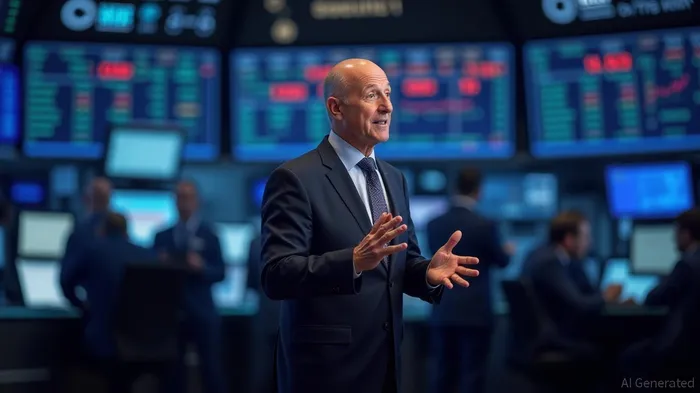
Goldman Sachs CEO David Solomon has highlighted a relatively calm market response to ongoing fiscal and economic challenges, despite persistent concerns about deficits and economic stability. In recent comments, Solomon noted that the U.S. economy’s structural advantages—such as its role as a global reserve currency and the strength of the dollar—have allowed investors to remain “benign” toward rising deficits and interest rate adjustments according to Solomon. This sentiment contrasts with broader recessionary fears, as Solomon emphasized a “quite good” macroeconomic setup for 2026, driven by fiscal stimulus, AI-driven capital investment, and a more favorable business environment as reported.
Goldman Sachs’ recent financial performance underscores this optimism. The firm reported strong earnings in Q4 2025, with investment banking, equities, and fixed income segments showing resilience. While revenue fell slightly short of expectations due to a markdown tied to its Apple Card exit, core business lines like Global Banking & Markets revenue grew 22% year-over-year. Solomon attributed this strength to a rebound in strategic deal-making, with businesses reengaging in mergers, acquisitions, and IPO activity. He projected a surge in IPOs in 2026, including potential “unprecedented” offerings from high-profile companies like SpaceX and OpenAI.
However, Solomon cautioned that the current benign market environment hinges on sustained economic growth and deficit management. Goldman Sachs economist Jan Hatzius forecasts 2.9% real GDP growth for 2026, but Solomon warned of potential “shocks” if growth falters or fiscal imbalances worsen. The Congressional Budget Office projects a $1.9 trillion deficit for 2026, with deficits expected to rise further by 2036 according to CBO data. Solomon stressed that higher growth—driven by deregulation, capital expenditure, and fiscal policy—is critical to avoiding long-term instability as emphasized by Solomon.
While Wall Street’s top banks, including Goldman Sachs and JPMorgan, have demonstrated resilience in navigating a challenging economic landscape, Solomon’s remarks reflect a cautious optimism. The coming months will test whether the U.S. economy can sustain its momentum amid structural fiscal pressures and evolving market dynamics.
Stay ahead of the market.
Get curated U.S. market news, insights and key dates delivered to your inbox.


AInvest
PRO
AInvest
PRO



Comments
No comments yet