
Goldman Sachs' Private Credit Risks: Why Retail Investors Should Be Cautious
 Aime Summary
- .
- Opaque and illiquid assets in the sector could trigger a broader financial crisis if mispriced.
- Blue Owl and BlackstoneBX-- have faced liquidity issues and forced liquidations, raising systemic concerns.
- The sector resembles late-stage financial cycles, with parallels drawn to the 2008 crisis.
- Retail investors are increasingly exposed to private credit through retirement accounts and direct fund access.
Lloyd Blankfein, the former CEO of Goldman SachsGS--, is sounding the alarm on a part of the market many investors might not fully understand—private credit. In recent interviews and his memoir, he has warned that the opaque and illiquid nature of the sector could lead to another financial reckoning. These concerns have taken on new urgency as several private credit funds have faced redemptions and valuation pressures.
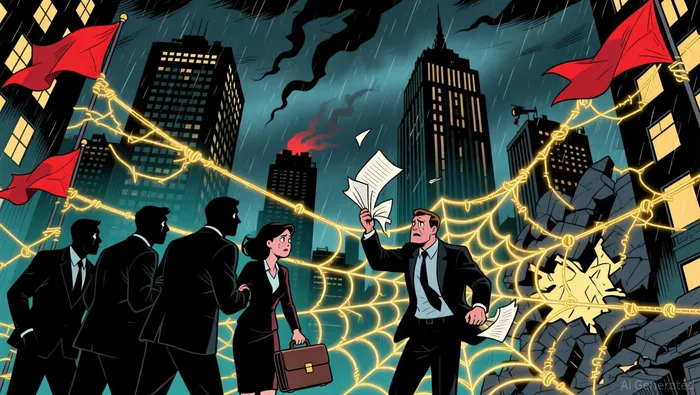
The private credit market, which allows asset managers to lend directly to private companies, has grown rapidly in recent years. But with this growth has come risk. When banks faced lending restrictions after 2008, . The problem is that many of the companies being financed are in high-risk areas like software and business services, where technological disruption is a constant threat. And as with the 2008 crisis, many of the loans are hard to value and even harder to sell.
Why Is the Private Credit Market Concerning for Retail Investors?
Private credit is becoming more accessible to everyday investors. Some funds are now included in retirement accounts, and others are marketed directly to wealthier individuals. But Blankfein warns that this exposure could be dangerous if the market corrects. He specifically criticized a that made it easier to include private credit in retirement portfolios, calling it a potential amplification of risk.
The former Goldman Sachs CEO argues that the long period of stability since 2008 has led to complacency. Investors are buying into these funds without fully understanding the risks or doing proper due diligence. And with many of these loans being made to companies with weak balance sheets, a sudden shift in economic conditions could trigger a wave of defaults and forced liquidations.
What Does the 2008 Financial Crisis Have to Do With This?
The parallels to 2008 are striking. Just as subprime mortgages were once considered safe investments, many private credit loans today are being made without the same level of scrutiny. And just as with mortgage-backed securities, the lack of transparency in these loans makes it hard to assess their true value. When the housing market collapsed, it was the complexity and interconnectedness of these assets that made the crisis so severe. Blankfein is warning that the same dynamics are at play now.
What to Watch for in the Private Credit Market
While a full-blown crisis isn’t expected right now, investors should remain vigilant. The key risk is not just in the loans themselves, but in the overall structure of the market. If one large fund were to fail, it could have a ripple effect on other funds and potentially even broader financial systems. That’s why many analysts are watching closely for signs of stress, such as rising redemptions, falling asset valuations, or increased borrowing costs.
For now, the market remains relatively stable—but Blankfein and other industry leaders are urging caution. The private credit sector has the potential for high returns, but it also carries significant risks, particularly for those who may not fully understand the underlying assets. As the market continues to evolve, investors should ensure they are making informed decisions and not falling into the same traps that contributed to the 2008 crisis.

Stay ahead of the market.
Get curated U.S. market news, insights and key dates delivered to your inbox.


AInvest
PRO
AInvest
PRO



Comments
No comments yet