
Gold Soars 20% as Trump's Tariffs Spark Market Volatility
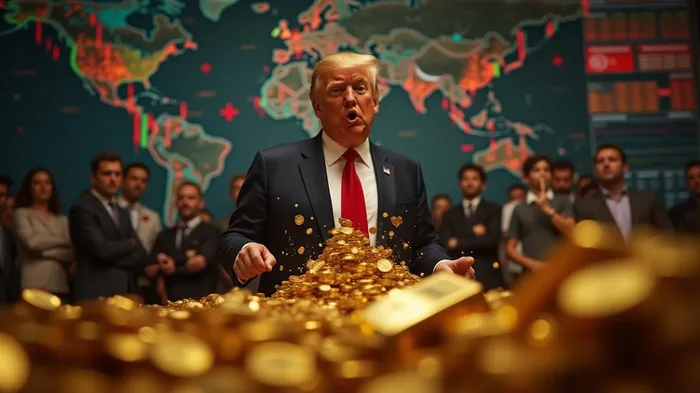
As Donald Trump completed his first 100 days in office for the second time, the "golden age" he promised has become a literal reality, at least for gold investors. While stocks, bonds, and other assets have struggled, gold has shone brightly, reaching new all-time highs. The new administration's policies, marked by extensive tariffs and geopolitical uncertainty, have led to some of the most extreme market volatility in recent history.
Trump's inauguration speech promised a new era of prosperity, but the reality has been far different. Investors who took his words literally and bought into gold have been rewarded handsomely. Those who believed in his promises of tax cuts and deregulation, pouring money into U.S. stocks and the dollar, have been left disappointed. Even U.S. Treasury buyers have seen their safe-haven status questioned.
The new government's approach, characterized by heavy tariffs and unpredictable policies, has caused significant market turmoil. The U.S. stock market, which was near historic highs at the start of Trump's second term, is now on track for one of the worst 100-day performances since Gerald Ford's presidency in 1974. The dollar, meanwhile, has depreciated to levels not seen since the 1970s, when the U.S. abandoned the gold standardGOLD--.
Gold, as the ultimate safe-haven asset, has surged to record highs. Bitcoin, which gained significant attention during Trump's campaign, has largely maintained its post-election gains, buoyed by optimism over pro-cryptocurrency policies under Trump. The S&P 500, after a brief stabilization, has fallen about 8% since Trump's inauguration, defying expectations of a strong start to his term. The index is now on pace for its worst 100-day performance in half a century, a stark contrast to the over 20% gains seen in the previous two years.
The market's volatility has been exacerbated by Trump's tariff policies, which have affected nearly every country doing business with the U.S. The unpredictable nature of these policies has led to significant market swings, with the S&P 500 entering one of its fastest corrections since 1929. The situation has been further complicated by the administration's aggressive stance on immigration and large-scale federal job cuts, which have added to investor uncertainty.
Bitcoin, once a star asset during Trump's campaign, has struggled to maintain its upward momentum. Despite initial market enthusiasm and significant policy victories, the largest cryptocurrency has fallen over 7% since Trump's inauguration. However, it remains well above pre-election levels, with a 30% increase since November. The cryptocurrency's performance has been influenced by broader market trends, with recent stock and bond market weakness affecting its price.
The dollar has also faced significant challenges, with the dollar index down about 9% since Trump's return to the White House. This decline is on track to be the largest since the early 1970s, when the U.S. moved away from the gold standard. The foreign exchange market, which handles $7.5 trillion in daily transactions, has been particularly volatile due to Trump's tariff policies and social media posts. Major currencies, including the Swedish krona, Swiss franc, and euro, have all appreciated against the dollar.
The U.S. Treasury market, worth $29 trillion, has also seen dramatic swings. Initially, Treasury prices rose as investors sought safe-haven assets in response to Trump's tariffs. However, this demand quickly dissipated as concerns about a potential recession grew, leading to a significant sell-off in Treasuries. The 10-year Treasury yield reached its highest level since 2001, reflecting the market's uncertainty and the potential for further volatility.
The credit market, which initially thrived under Trump, has also faced challenges. Corporate bond spreads widened significantly after Trump's tariff announcements, reaching levels not seen since the regional banking crisis in March. The market turmoil has led to a sharp increase in the cost of borrowing for companies, with some struggling to access credit. The situation has been so severe that some have speculated about the need for Federal Reserve intervention.
Oil prices have also been affected by the tariff war, with economic uncertainty leading to a significant decline in prices. Brent crude futures fell to as low as $58.40 per barrel in early April, down from around $81 per barrel before Trump's inauguration. The decline in oil prices could help Trump achieve his pre-election goals of lowering inflation and fuel costs. However, the broader economic impact of the tariff war remains a concern.
In summary, Trump's first 100 days in office have been marked by significant market volatility and uncertainty. While gold and bitcoin have benefited from the turmoil, other assets have struggled. The administration's tariff policies and unpredictable approach have led to extreme market swings, with the potential for further volatility in the coming months. Investors will be closely watching developments as Trump's second term continues to unfold.

Stay ahead of the market.
Get curated U.S. market news, insights and key dates delivered to your inbox.




Comments
No comments yet