
Gold and Silver Volatility Explained: What Drives Prices in 2026?
 Aime Summary
Gold and. silver861125-- prices have fallen to one-month lows amid rising oil prices and a stronger U.S. dollar. Geopolitical tensions in West Asia have increased inflationary fears and reduced expectations of a Fed rate cut, negatively impacting precious metals861124--. Central bank buying remains a structural tailwind for gold861123--, but short-term volatility from monetary policy and energy costs is pressing on prices. Analysts remain divided between a bullish long-term outlook and near-term corrections as investors await clarity on Fed policy and regional stability.
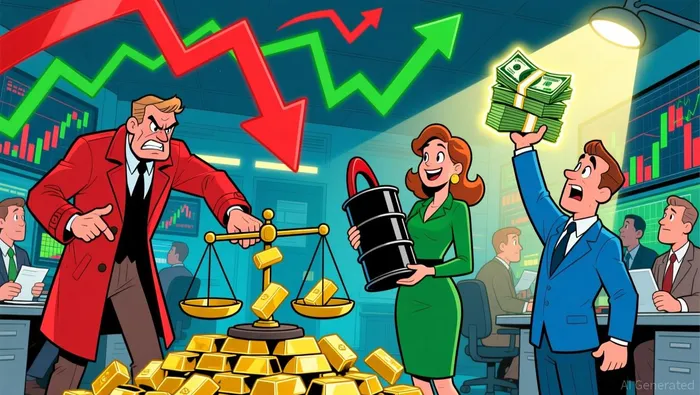
Gold and silver prices are caught in a tug-of-war between geopolitical tensions and macroeconomic forces. On one hand, , which is increasing inflation concerns and supporting the U.S. dollar. On the other hand, gold and silver typically rally during global conflicts due to their safe-haven status. However, in this case, the combination of a stronger dollar and the economic impact of energy price surges is overshadowing that dynamic.
Gold has now closed six consecutive days in the red — the longest losing streak since 2024 — while . , making gold more expensive for non-U.S. investors, and bond yields are rising, increasing the opportunity cost of holding non-yielding assets like gold.
Why Is Gold Falling With Silver?
Gold and silver are often seen as barometers of macroeconomic health and geopolitical risk, but their current performance is being driven by a complex interplay of factors. A stronger U.S. dollar is a major headwind, as it makes gold more expensive for investors holding other currencies. Meanwhile, a sharp rise in oil prices has reignited inflation fears, reducing the market's appetite for rate cuts that usually support gold.
's nomination as the next Fed Chair has also added a layer of uncertainty, with markets interpreting the move as a more hawkish stance on inflation. This shift in Fed policy expectations is further dampening demand for gold and silver, which are sensitive to interest rates. For instance, , making other assets more attractive in comparison.
What Drives Gold and Silver Prices in 2026?
Despite the short-term pressures, gold remains underpinned by long-term structural forces. Central banks, particularly in China, India, and Japan, have continued to buy gold at an accelerating pace. This trend supports the metal's position as an inflation hedge and store of value. ETF inflows are also contributing to sustained demand, even during periods of volatility.
However, the geopolitical situation in West Asia adds an unpredictable layer to the market. While investors are watching for any sign of escalation or de-escalation in the region, central bank decisions this week could also provide direction. The U.S. Federal Reserve, European Central Bank, and People's Bank of China are expected to maintain current interest rates, but their forward guidance will be closely scrutinized.
of InCred Money argue that gold and silver remain key portfolio diversifiers, offering protection against currency debasement and low correlation with equities. Still, the current corrections highlight the importance of balancing long-term strategic allocations with tactical awareness of near-term macroeconomic shifts.
What to Watch Next in the Precious Metals Market
Investors should keep an eye on several key developments that could influence gold and silver prices in the near term:
- Geopolitical outcomes in West Asia: Any significant escalation or de-escalation in the conflict could trigger sharp swings in precious metal prices.
- Central bank policy statements: While rate cuts are currently off the table, forward guidance from the Fed and other central banks will shape investor sentiment.
- Oil and inflation trends: As oil continues to rise and inflation fears persist, the dollar's strength will remain a critical factor for gold and silver.
- ETF inflows and central bank buying: Sustained demand from institutional buyers may continue to support gold prices, even amid short-term volatility.
At the end of the day, gold and silver are being pulled in different directions by competing forces — from the dollar and inflation to geopolitical uncertainty and central bank demand. Investors should prepare for continued volatility and remain agile as market conditions evolve.

Stay ahead of the market.
Get curated U.S. market news, insights and key dates delivered to your inbox.


AInvest
PRO
AInvest
PRO



Comments
No comments yet