
Gold And Silver Volatility: What Drives the 2026 Price Surge?
 Aime Summary
- , , driven by geopolitical uncertainty and a weakening dollar.
- Volatility is intensifying, with sharp corrections following sharp rallies, raising concerns about thin liquidity and speculative flows.
- Silver's rally has outpaced gold's, fueled by retail trading, industrial demand, and macroeconomic factors like inflation and global tensions.
Precious metals are experiencing one of the most dramatic surges in decades. , , fueled by a mix of geopolitical tensions, a weakening dollar, and speculative trading. But the momentum is now showing signs of strain, with sharp corrections pulling both metals back from record highs. Investors are left wondering if this is a sustainable rally or a speculative bubble in the making.
Is the Gold-Silver Rally Sustainable in 2026?
Gold and silver have been riding a powerful macroeconomic tailwind. The U.S. , and inflation concerns remain high. These factors have pushed investors toward safe-haven assets like gold, which has .
Silver, on the other hand, has outpaced gold in recent months, . The surge is being driven by a unique combination of factors: increased retail participation, industrial demand, and the metal's dual role as both an investment and a commodity. Analysts at JPMorgan note that silver has already far exceeded their forecasts, but calling a top in such a volatile market is nearly impossible.
Still, questions remain about the sustainability of these moves. , head of commodity strategy at Saxo Bank, has warned that the current rally is entering a "dangerous phase" due to thin liquidity and self-feeding volatility. As prices rise, more traders jump in, creating a feedback loop that can quickly reverse. That dynamic played out recently as both metals pulled back sharply after hitting records.
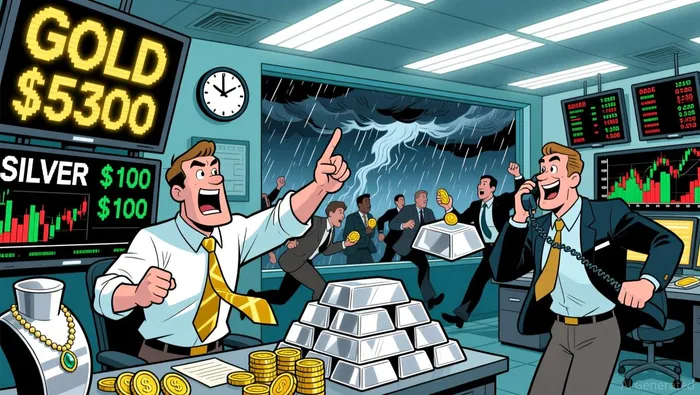
Why Is Silver So Much More Volatile Than Gold in 2026?
Silver's volatility has always been greater than gold's, but the gap has widened in 2026. While gold is primarily seen as a monetary asset, silver has strong industrial demand in sectors like solar power, electronics, and electrification. That demand has helped push prices higher as global markets shift toward clean energy and advanced manufacturing.
Yet silver's price is more sensitive to speculative flows than gold's. The market is smaller and less liquid, meaning that even modest inflows can drive sharp price swings. note that this makes silver more of a trading opportunity than a long-term investment for many investors.
Retail investors have also played a bigger role in silver's recent rise. Platforms like Robinhood and eToro have enabled a new wave of individual traders to bet on the metal, amplifying its price moves. That increased participation adds momentum but also raises the risk of a sudden correction if sentiment shifts.
What to Watch: Geopolitical Tensions, Dollar Strength, and Fed Policy
The next few months will likely hinge on three key factors: geopolitical tensions, the dollar's strength, and the Federal Reserve's policy path. Any escalation in conflicts—whether in the Middle East, Europe, or Asia—could drive more money into safe-haven assets. A weaker dollar would also support gold and silver, as investors look for alternatives to the U.S. currency.
The Fed's rate decisions will also be crucial. Gold and silver typically benefit from lower interest rates because they offer no yield. If the Fed signals a more aggressive easing path in 2026, that could provide a strong tailwind for both metals. However, if inflation remains stubborn or the U.S. economy shows unexpected resilience, that could pressure gold and silver.
Finally, industrial demand for silver—especially in the solar and electronics sectors—could continue to support the metal even if the speculative fervor fades. Unlike gold, which is largely a monetary asset, silver's price is tethered to physical supply and demand, which could help it hold up better in a market correction.
For now, investors are watching closely. While gold has historically been a reliable safe-haven asset, silver's recent performance has made it an increasingly popular choice for those looking to diversify their portfolios. But as with any high-volatility market, timing and risk management will be key in 2026.

Stay ahead of the market.
Get curated U.S. market news, insights and key dates delivered to your inbox.


AInvest
PRO
AInvest
PRO



Comments
No comments yet