
Gold and Silver Prices Drop Amid Geopolitical Fears and Inflation Concerns
 Aime Summary
Gold and silver prices dropped sharply in early March 2026 due to inflation fears, rising oil prices, and geopolitical tensions from the U.S.-Iran conflict. Institutional investors and large funds are shifting physical silver from monetary holdings, indicating a broader reallocation of assets. Analysts suggest that the drop is partly structural, driven by leveraged ETFs, margin calls, and a stronger U.S. dollar.
The past week has brought a dramatic correction in gold and silver markets, rattling investors who had expected the precious metals to maintain their safe-haven status amid global uncertainty. Gold prices fell below $5,000 per ounce, while silver lost more than 13% in a single day. Though the drop is steep, it reflects broader macroeconomic forces at play, from inflation expectations to the geopolitical risks that are reshaping global markets.
Why Is Gold Going Down in 2026?
Gold's recent decline is tied to several macroeconomic and geopolitical factors. First, oil prices have surged past $100 a barrel amid the U.S.-Iran conflict, raising concerns of a broader energy shock. Higher oil prices push up inflation expectations, which make non-yielding assets like gold less attractive. With the U.S. Federal Reserve now signaling reduced chances of rate cuts, gold—which often benefits from falling interest rates—has seen its appeal dim.
Second, the U.S. dollar has strengthened significantly. Dollar strength is a headwind for gold, as it is priced in dollars and becomes more expensive for global buyers. This dynamic has been amplified by central banks recalculating their risk exposure in the context of the war and shifting inflation expectations.
Analysts from UBS and other firms note that gold still serves as a hedge against monetary risks and currency devaluation. However, in the short term, 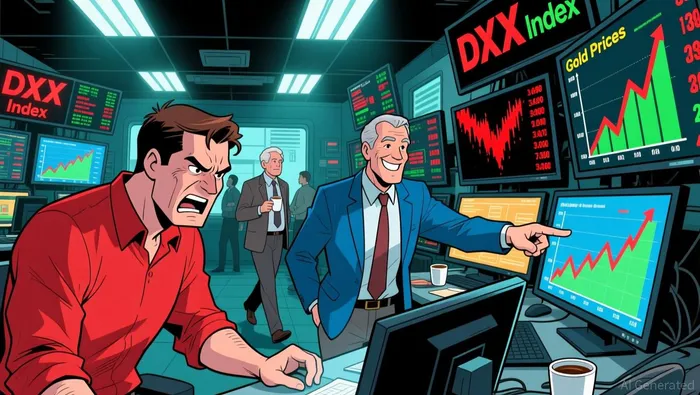 its price is being dictated by immediate inflationary pressures and geopolitical volatility.
Why Is Silver Going Down Alongside Gold?
Silver's drop has been even more pronounced, with prices falling below $65 per ounce after a sharp sell-off driven by leveraged instruments and forced liquidations. The drop has been labeled by some as more than a correction—a structural decline rooted in how leveraged ETFs and margin calls are amplifying the sell-off.
Silver's price is also being impacted by its role in industrial sectors. While it's used in electronics and solar technology, much of its industrial demand doesn't come from COMEX warehouses, which are more relevant to institutional investors and large funds. This shift has led to a reallocation of physical silver from monetary holdings to custodial value, with Sprott Physical Silver Trust among the largest players making a significant capital raise to purchase physical silver.
What to Watch in Gold and Silver Markets
For investors, the key is to balance short-term volatility with long-term fundamentals. While the immediate drop is linked to macroeconomic factors like inflation and the dollar, the underlying structural demand for both metals remains strong. Central bank gold purchases are robust, and industrial demand—especially for silver in the green energy transition—continues to grow.
The U.S.-Iran conflict is still a wildcard. If the war escalates further, energy prices could rise even more, pushing inflation higher and making gold less appealing. On the flip side, if the conflict stabilizes and central banks return to a more dovish stance, gold could see a rebound.
Investors should also keep an eye on the physical markets. With silver being shipped eastward at high premiums and China reclassifying silver as a strategic material, there may be more supply-side dynamics to come.
At the end of the day, both gold and silver remain important parts of a diversified portfolio, particularly for those seeking protection against inflation and economic uncertainty. But the current volatility highlights the importance of understanding both macroeconomic trends and the mechanics of leveraged instruments in the market.

Stay ahead of the market.
Get curated U.S. market news, insights and key dates delivered to your inbox.


AInvest
PRO
AInvest
PRO



Comments
No comments yet