
Gold and Silver Crater Amid Inflation Fears and Dollar Strength
 Aime Summary
Gold and USD and silver prices fell sharply in early March 2026, with gold dropping nearly 6% and silver more than 8% due to inflation fears and a stronger U.S. dollar. The sell-off was driven by increased opportunity costs for holding non-yielding assets, as U.S. Treasury yields and the Dollar Index rose to key levels. Analysts warn the current trend may persist if inflation fears and hawkish Fed policy remain in place.
Gold and silver have traditionally been viewed as safe-haven assets, but both are now facing headwinds from rising interest rates and global geopolitical tensions. The U.S.-Iran conflict has added to inflationary pressures, pushing investors toward more liquid investments. With the Fed signaling uncertainty over future rate cuts and inflation expectations rising, the appeal of precious metals is waning. As the market re-evaluates its positioning, investors are closely watching central bank guidance and macroeconomic data for clues on the metals' near-term direction.
Why Is Gold and Silver Prices Dropping in 2026?
Gold and silver have long been considered inflation hedges, but their performance in early 2026 tells a different story. The drop in prices is primarily tied to the U.S. dollar's strength and higher bond yields, which make non-yielding assets like gold and silver less attractive. 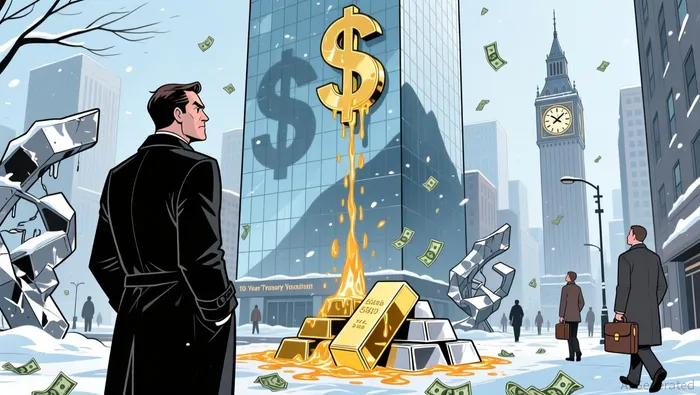 The 10-year Treasury yield climbed to 4.2-4.3%, and the Dollar Index hit a high since May 2025. As a result, investors are shifting toward higher-yielding assets, leaving gold and silver exposed to selling pressure according to market analysis.
Another key factor is the evolving Fed policy. The Federal Reserve has taken a more hawkish stance, delaying expected rate cuts in response to inflation risks. This has undermined the bullish case for gold, which historically benefits from dovish monetary policy. Kevin Warsh's nomination as the next Fed Chair has also added a layer of uncertainty, with investors cautious about future inflation expectations and monetary tightening as financial analysts note.
What Drives Gold and Silver Spot Prices Today?
Gold and silver spot prices are influenced by a mix of macroeconomic forces and investor sentiment. In early March 2026, both metals experienced significant volatility due to the U.S.-Iran conflict and the resulting inflation fears. The conflict has led to surges in oil prices—Brent crude briefly hit $119 per barrel—which compounds inflation risks and reduces the appeal of gold and silver according to market reports.
The metals are also being hit by technical factors, including higher margin requirements on futures contracts and the unwinding of momentum trades. Silver, in particular, is more vulnerable to macroeconomic shifts due to its dual role as both an investment and an industrial commodity. Analysts suggest that gold could consolidate near the $5,000 level, but a sustained drop below $4,200 could signal a major reversal in the bull trend as economic analysis indicates.
What to Watch for in the Near Term
Investors should keep a close eye on the Fed's policy direction and inflation data in the coming months. A continuation of hawkish signals or a significant spike in inflation could prolong the bearish trend in gold and silver. In contrast, a shift toward dovish policy or a decline in geopolitical tensions could provide a catalyst for a rebound.
Another important factor is the U.S. dollar. The dollar's strength has been a major headwind for gold, as it's priced in U.S. dollars. If the dollar weakens against other major currencies due to divergent monetary policies, gold could benefit from the lower cost of ownership for foreign investors.
Mining stocks and ETFs tied to gold and silver also reflect market sentiment. The ProShares Ultra Silver ETF dropped 20% during the sell-off, while the iShares Silver Trust ETFSLV-- fell 4.4%. These movements highlight the broader risk-off sentiment across commodities and equities. The Stoxx Europe Basic Resources index dropped 6%, with major producers like Fresnillo and Antofagasta suffering large losses according to market data.
At the end of the day, gold and silver remain important parts of a diversified portfolio, especially during times of economic uncertainty. However, the current environment—marked by rising inflation expectations and strong dollar conditions—has created headwinds for these traditional safe-haven assets. As the market continues to navigate these dynamics, investors are advised to stay alert to both macroeconomic developments and technical signals for positioning decisions.

Stay ahead of the market.
Get curated U.S. market news, insights and key dates delivered to your inbox.


AInvest
PRO
AInvest
PRO



Comments
No comments yet