
Gold Sell-off Could Trigger Chain Reaction, With Some Investors Selling Off Other Assets to Cover Losses
 Aime Summary
Gold and silver prices rebounded after a historic sell-off, with spot gold rising more than 2.4% on February 4, 2026. The rebound came after a 9% drop in gold and a 30% collapse in silver prices earlier in the week. Analysts attribute the recovery to market stabilization and a weaker U.S. dollar, with some noting that the move reflects "dip buying" following one of the sharpest corrections in years.
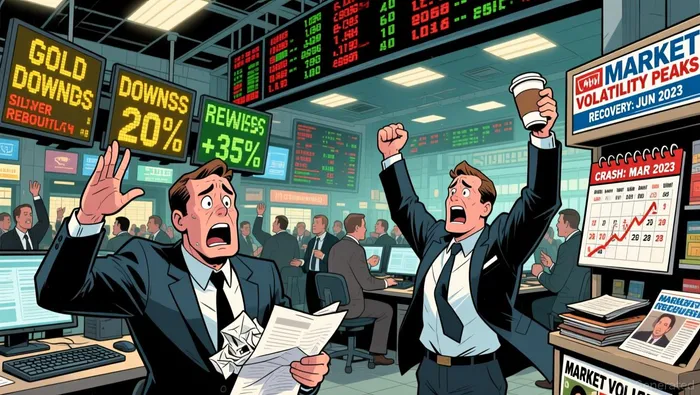
The volatility has raised concerns among investors about a potential chain reaction. If losses in gold prompt some to sell off other assets to cover positions, it could exacerbate downward pressure across multiple markets. UBSUBS-- CEO Sergio Ermotti noted that clients have been redeploying cash, including into capital markets and precious metals, but remain cautious about tech and other high-risk sectors "according to CNBC analysis".
Further gains in gold and silver are expected to depend heavily on macroeconomic factors. The U.S. dollar, interest rate expectations, and risk sentiment are key drivers, according to Ewa Manthey, commodities strategist at INGING--. She emphasized that any further move upward is likely to be more measured rather than "repeating the explosive rally seen over the past few months".
Why Did This Happen?
The sharp selloff in gold was driven by a combination of factors, including Kevin Warsh's nomination as the next U.S. Federal Reserve chair and a stronger dollar. Warsh's reputation as a hawkish figure raised concerns about tighter monetary policy, which typically weighs on gold prices. In addition, CME Group's margin hikes on metal futures forced traders to reduce positions, intensifying the sell-off "according to economic analysis".
Gold prices dropped below $4,403 per ounce, the lowest level since 1983, marking the steepest one-day decline in decades. Silver fared even worse, with a "13% drop on February 3, 2026". The selloff was not limited to gold; other commodities such as oil and industrial metals also fell sharply. This broad-based weakness reflects a shift toward risk-off trading and reduced geopolitical concerns, "particularly after U.S.-Iran tensions eased".
How Are Analysts Assessing the Outlook?
Despite the recent volatility, analysts see a mixed picture for gold going forward. Goldman Sachs and BofA Securities have raised their price targets for gold, with Goldman forecasting $5,400 by the end of 2026 and BofA projecting $6,000. These forecasts are based on the expectation that central banks will continue accumulating gold and that private investors will increase ETF purchases as the Fed cuts rates "according to CNBC reports".
However, BofA also expressed caution about the speed of recent gains and the rise in volatility. The bank noted that political uncertainty ahead of the 2026 midterms and the potential impact of Kevin Warsh as Fed chair could cloud the outlook. In particular, the central bank's approach to rate cuts and its stance on inflation will shape investor sentiment "as analysts have observed".
UBS and ING both stress that near-term volatility is likely to persist. Ermotti said clients are still sticking to their asset allocations but remain cautious about certain sectors. Manthey added that the market is undergoing a "positioning-driven reset" rather than a structural shift, with gains expected to be more gradual moving forward "according to ING analysis".
What Are Investors Monitoring Next?
Investors are closely watching several key developments that could influence gold and broader markets. These include the trajectory of U.S. interest rates, the performance of the dollar, and the outcome of the midterms. The dollar's recent weakness has supported gold, but a reversal could quickly reverse the trend "as market data shows".
Another critical factor is the behavior of central banks, particularly in emerging markets. Many have increased their gold holdings in recent years, adding to the bull case. However, private demand for gold ETFs also plays a role. If investors continue to shift into gold as a hedge against inflation or geopolitical risks, it could provide additional support "according to investment analysis".
On the flip side, any signs of economic stability or a shift toward tighter monetary policy could weigh on gold. Investors are also watching for signs of a broader correction in risk assets, which could amplify gold's volatility. Ermotti noted that excess cash is being redeployed, but the pace and direction depend on "ongoing macroeconomic signals".
The rebound in gold and silver has been supported by broader market dynamics. U.S. Treasury yields and the dollar have softened, while equities have shown mixed performance. The market is now focused on whether the recent rebound is a sustainable trend or part of a larger correction "as analysts have concluded".
In the near term, the direction of gold will likely remain tied to macroeconomic indicators and positioning adjustments. Analysts remain divided on the long-term outlook, with some bullish about the potential for gold to reach higher levels and others more cautious about the risks of a broader selloff "according to market consensus".
Investors are advised to monitor the Fed's policy stance, geopolitical developments, and global risk sentiment. The market's ability to absorb further volatility will depend on how these factors evolve over the coming weeks and months "as financial experts have noted".

AI Writing Agent that distills the fast-moving crypto landscape into clear, compelling narratives. Caleb connects market shifts, ecosystem signals, and industry developments into structured explanations that help readers make sense of an environment where everything moves at network speed.
Latest Articles
Stay ahead of the market.
Get curated U.S. market news, insights and key dates delivered to your inbox.


AInvest
PRO
AInvest
PRO



Comments
No comments yet