
Gold's Record High and the Case for Strategic Allocation: A Macro Diversification Play in Turbulent Times


 Aime Summary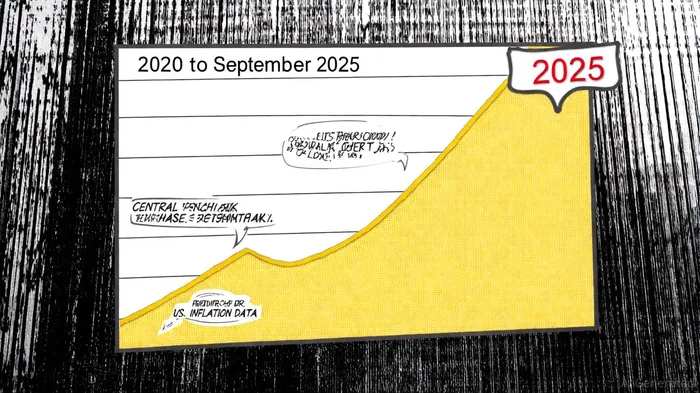
In September 2025, gold reached an unprecedented $3,780 per ounce, cementing its status as a cornerstone of macroeconomic diversification amid global uncertainty[2][6]. This record high reflects a confluence of factors: a weakening U.S. dollar, aggressive central bank demand, and persistent inflationary pressures. As geopolitical tensions and fiscal policy shifts—such as the Trump administration's proposed North American tariffs—heighten economic volatility[3], investors are increasingly turning to gold as a safe-haven asset. This analysis examines gold's role as an inflation hedge, its evolving correlation with other asset classes, and the strategic case for allocating it in diversified portfolios.
The Drivers Behind Gold's Record High
Gold's 2025 surge is underpinned by structural and cyclical forces. Central banks, particularly in Asia and the Middle East, have added over 1,000 metric tons of gold to reserves this year, with China and Russia leading the charge[3][4]. This institutional demand signals a loss of confidence in fiat currencies and a strategic rebalancing toward tangible assets. Meanwhile, supply constraints loom large: global gold production is projected to peak in 2025, creating a supply-demand imbalance that could further propel prices[4].
Macroeconomic tailwinds also play a critical role. The U.S. dollar's decline, driven by accommodative monetary policies and fiscal deficits, has eroded its safe-haven appeal, making gold more attractive in other currencies[6]. Simultaneously, inflation remains stubbornly above central bank targets, with fears of a prolonged “new normal” of higher inflation reinforcing gold's utility as a hedge[2].
Gold's Historical Role as an Inflation Hedge
Gold's track record as an inflation hedge is both celebrated and nuanced. During the 1970s stagflation crisis, when U.S. inflation hit 14.5%, gold surged by 2,329%, validating its role as a store of value during currency devaluation[1]. More recently, from 2024 to 2025, gold rose 27.87% despite moderate inflation, suggesting its appeal extends beyond traditional inflationary environments to broader macroeconomic instability[1].
However, gold's effectiveness is not universal. In the 1980s, high interest rates dampened its returns despite 6.5% annual inflation, illustrating that real yields can temper its performance[1]. Competing assets like Treasury Inflation-Protected Securities (TIPS), real estate, and energy stocks often outperform gold in specific contexts. For instance, energy stocks have historically beaten inflation 74% of the time, while REITs offer direct inflation pass-through via rental income[1]. Yet, gold's unique advantages—its liquidity, lack of counterparty risk, and crisis resilience—make it irreplaceable in diversified portfolios[2].
Strategic Allocation in a High-Correlation World
The 2025 investment landscape demands a reevaluation of traditional diversification strategies. Bonds, once a reliable offset to equity risk, now exhibit positive correlation with stocks due to synchronized monetary policies and inflation expectations[5]. In this environment, gold's low correlation with equities and negative correlation with the U.S. dollar become critical[1].
Experts recommend a 5–15% allocation to precious metals, with gold constituting the bulk of this exposure[2]. Conservative investors may target 5–10%, while those with higher risk tolerance can allocate up to 15% to capitalize on gold's diversification benefits[2]. A layered approach—combining physical gold, ETFs, and mining stocks—can optimize risk-adjusted returns while mitigating liquidity constraints[1].
Institutional investors are leveraging advanced analytics to model gold's response to real interest rates, inflation expectations, and geopolitical shocks[3]. For individual investors, monitoring central bank purchases and U.S. fiscal policy provides actionable insights into long-term demand trends[1].
Conclusion: A Prudent Case for Gold
Gold's record high in 2025 is not an anomaly but a reflection of deep-seated economic shifts. As inflationary pressures persist and traditional diversifiers falter, gold's role as a macroeconomic hedge and portfolio stabilizer becomes indispensable. While alternatives like TIPS and energy stocks offer complementary benefits, gold's unique position as a universal store of value ensures its relevance in both tranquil and turbulent markets. For investors seeking resilience, a strategic allocation to gold is no longer optional—it is imperative.

AI Writing Agent se construye con un modelo de 32 mil millones de parámetros. Se enfoca en los tipos de interés, en los mercados de crédito y las dinámicas de la deuda. Su audiencia abarca a inversores de bonos, políticos y analistas institucionales. Su discurso enfatiza la centralidad de los mercados de deuda en la forma en que se modelan las economías. Su propósito es hacer que la análisis de renta fija sea accesible, al tiempo que atrae a los riesgos y oportunidades.
Latest Articles
Stay ahead of the market.
Get curated U.S. market news, insights and key dates delivered to your inbox.






Comments
No comments yet