
Gold's Rally as Soft Inflation Fuels Fed Rate Cut Bets
The U.S. inflation landscape has turned increasingly benign, with June's CPI report showing annual price growth of 2.6%—a figure that, while modestly higher than May's 2.4%, continues to suggest inflation remains subdued. For gold bulls, this is music to their ears. With the Federal Reserve's 2% target within sight and market pricing now assigning a 60% probability of a rate cut by September, the precious metal is primed to shine as investors seek safe havens amid monetary easing and geopolitical turbulence.
The Inflation Picture: Softening Pressure, Dovish Fed on Deck
The June CPI data revealed a split between transitory pressures and persistent moderation. While core inflation (excluding food and energy) edged up to 3.0% annually, this was largely driven by shelter costs (+3.9% year-over-year) and services like medical care. However, energy prices fell 3.5% over 12 months, and tariffs—though contributing to some goods inflation—have yet to unleash the feared price surge. Analysts at Bank of AmericaBAC-- note that tariff-driven inflation may peak late this year, but with softening auto demand and cooling housing markets, the Fed now has the flexibility to pivot.
The Federal Open Market Committee (FOMC) faces a clear path to easing. Even as core CPI remains above target, the decline in inflation volatility and the risk of a trade-war-induced slowdown are pushing policymakers toward caution. As JPMorganJPM-- economists wrote, “The Fed's priority is no longer inflation containment—it's now avoiding a policy mistake that could tip the economy into recession.”
Gold's Perfect Storm: Rate Cuts + Safe-Haven Demand
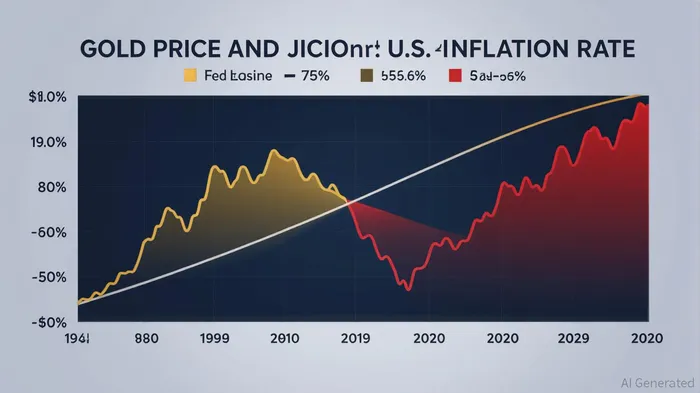
Gold has long been a barometer of monetary policy and risk aversion. Historically, the yellow metal outperforms during periods of Fed easing, as lower interest rates reduce the opportunity cost of holding non-yielding assets. Over the past 20 years, gold has averaged +15% annual returns during quarters when the Fed cut rates, versus just +5% during periods of stable policy (see below).
Today's environment is a textbook case for gold's ascent:
1. Dovish Fed Shifts: The 60% rate-cut probability has already pushed 10-year Treasury yields to 2.5%, their lowest since early 2024. Lower bond yields compress real rates, making gold more attractive.
2. Trade War Uncertainty: Escalating tariffs on $200B of Chinese goods—alongside disputes with the EU and Mexico—have injected volatility into global markets. Investors are piling into gold as a hedge against supply chain disruptions and currency fluctuations.
3. Dollar Weakness: A falling dollar (the dollar index is down 4% YTD) reduces gold's price in other currencies, boosting demand from overseas buyers.
How to Play the Rally: ETFs, Miners, and Caution
For investors, gold exposure can be straightforward:
- ETFs: The SPDR Gold Trust (GLD) tracks physical gold prices with low fees and high liquidity.
- Miners for Leverage: Junior mining stocks like Newmont MiningNEM-- (NEM) or the VanEck Gold Miners ETF (GDX) offer 2x to 3x upside exposure to rising gold prices due to their operating leverage.
However, risks remain. A sudden spike in inflation (e.g., due to energy shocks or wage growth) could force the Fed to pause. Similarly, a resolution to trade disputes might drain safe-haven demand. Position sizing matters: Allocate 5-10% of a portfolio to gold as a diversifier, not a core holding.
Conclusion: The Gold Rally is Just Beginning
The data is clear: soft inflation, dovish Fed rhetoric, and geopolitical storms are aligning to propel gold higher. While no investment is without risk, the yellow metal's historical correlation with monetary easing and its role as a crisis hedge make it a compelling addition to portfolios today. As the Fed pivots, gold's time to shine has arrived.
Investors should consult their financial advisors before making any investment decisions.

Stay ahead of the market.
Get curated U.S. market news, insights and key dates delivered to your inbox.
AInvest
PRO
AInvest
PRO



Comments
No comments yet