
Gold Prices Drop in March 2026: What Drives the Recent Correction?
 Aime Summary
Gold prices dropped in March 2026 due to a stronger U.S. dollar, portfolio rebalancing, and profit-taking after recent gains.
Precious metals like gold and silver are under pressure from higher inflation, steady interest rates, and rising oil prices.
Analysts suggest the current correction is a short-term event driven by liquidity and leverage in the market, not a fundamental shift in gold's long-term role.
Gold and silver prices have moved lower in March 2026 amid a complex mix of global macroeconomic factors. While the metals are typically seen as safe-haven assets, a stronger U.S. dollar and rising energy prices have shifted capital away from gold. Institutional investors have rebalanced portfolios, and the likelihood of near-term Federal Reserve rate cuts has diminished, further pressuring non-yielding assets like gold. The drop has surprised some observers, especially given the ongoing Middle East conflict, which is usually a catalyst for gold demand. Yet, the dominant influence of oil and the dollar has outpaced the traditional safe-haven appeal of precious metals. Investors are now scrutinizing how these dynamics might evolve in the weeks ahead.
Why Is Gold Going Down in March 2026?
Gold prices have dipped in March 2026 for multiple reasons. A stronger U.S. dollar is a primary factor, as it makes gold more expensive for international buyers and reduces demand globally. At the same time, oil prices have surged due to the ongoing conflict in the Middle East, which is driving inflation higher. This has led central banks to maintain a hawkish stance, with the Federal Reserve signaling limited rate cuts for the year. Gold and silver, which do not generate interest, face higher opportunity costs in a high-yield environment. Analysts note that while geopolitical tensions usually support gold, this time the market is being dominated by inflation and energy-driven macroeconomic forces.
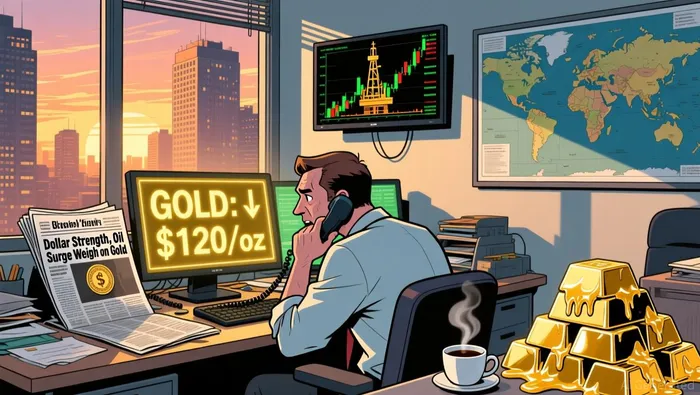
Another key factor is portfolio rebalancing by institutional investors, especially after a period of gains in gold. These investors are selling gold to raise cash or reduce risk exposure, contributing to the short-term liquidity pressure. The leverage in the gold futures market has also led to cascading liquidations, amplifying the decline. While these are tactical moves, they are having a significant short-term impact on price action. Over the long term, gold remains a diversifier and hedge against systemic risks, but its immediate performance is being shaped by market conditions and investor behavior.
Why Is Silver Going Down Alongside Gold?
Silver has fallen alongside gold in March 2026, mirroring the same macroeconomic pressures. Like gold, it is affected by the strong dollar, rising inflation, and the Fed's policy stance. However, silver is also influenced by industrial demand, which has softened due to global economic uncertainty. , reaching a one-month low. Analysts suggest that the recent drop in silver is not just a short-term correction but a broader repricing of market expectations regarding the path of U.S. interest rates.
's nomination as the next Fed Chair has added another layer of pressure to the metals. Markets are interpreting his hawkish stance on inflation as a signal that rate cuts may not happen as quickly as previously expected. The increased margin requirements on metal futures, triggering forced liquidation in the market. This has created a self-reinforcing cycle, where falling prices lead to further selling. Silver's industrial use also means its demand is sensitive to manufacturing activity, which has slowed in several key economies. The combination of these factors has made silver particularly vulnerable to the current market environment.
What to Watch for in the Coming Weeks
Investors should closely monitor a few key developments in the coming weeks to better understand the trajectory of gold and silver. First, the U.S. Federal Reserve's upcoming meetings will be pivotal in determining whether the outlook for rate cuts remains unchanged or begins to shift. Any signal of a more dovish stance could provide support for the metals. Second, geopolitical tensions in the Middle East continue to influence oil prices and inflation expectations, which are critical for both gold and silver. If the conflict escalates further, it could trigger a surge in energy prices that limits gold's safe-haven appeal.
Third, the strength of the U.S. dollar and its impact on global demand will be important to watch. A weaker dollar could make gold more attractive to international investors and help reverse the current downtrend. Lastly, industrial demand for silver will remain a key factor, especially if manufacturing activity rebounds in major economies. For now, the metals are facing a difficult environment, but their long-term fundamentals remain intact.

Stay ahead of the market.
Get curated U.S. market news, insights and key dates delivered to your inbox.


AInvest
PRO
AInvest
PRO



Comments
No comments yet