
Gold Price Volatility in 2026: What Drives the Surge and What Comes Next?
 Aime Summary
What's Behind the Record Gold Price in 2026?
Gold's meteoric rise in 2026 is the result of a combination of macroeconomic and geopolitical factors. Central banks, particularly in emerging markets, have accelerated gold purchases as a way to diversify reserves and insulate themselves from sanctions and currency risks. In 2025 alone, central banks bought over 1,000 tons of gold, with projections for 2026 suggesting continued aggressive demand.
Meanwhile, geopolitical tensions—ranging from U.S. trade disputes to conflicts in Ukraine and Gaza—have heightened global uncertainty. These factors have driven investors to seek safe-haven assets like gold, which has historically performed well during periods of instability. The U.S. dollar's weakness, combined with rising inflation and sovereign debt levels, has further fueled gold's appeal.
Why Investors Should Care About the Gold Price Chart in 2026
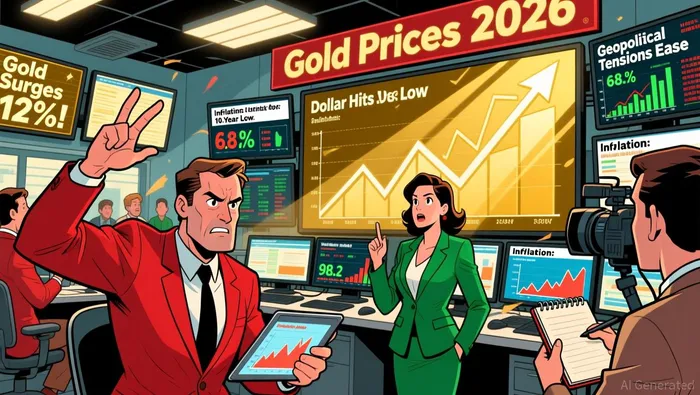
The gold price chart in 2026 isn't just a technical indicator—it's a barometer for global financial and political risks. As central banks and ETFs drive demand, the price is increasingly influenced by structural shifts rather than short-term supply and demand. This means gold is no longer just a speculative play but a core component of diversified portfolios for both retail and institutional investors.
In addition, gold's role as an inflation hedge has been reinforced. With global debt levels rising and real interest rates falling, gold is increasingly viewed as an alternative to fiat currency and government bonds. This shift is echoed by major financial institutions, with Morgan Stanley noting that gold is now “basically an anti-fiat currency play”.
What to Watch as Gold Prices Rise
Looking ahead, investors should monitor a few key drivers that could influence the gold price chart in the months to come. First, continued geopolitical tensions—particularly in the U.S.-China relationship—could keep gold in demand as a safe-haven asset. Second, the Federal Reserve's monetary policy will remain a critical factor. If the Fed continues to ease rates, gold is likely to remain attractive.
Additionally, gold's performance as an ETF and physical asset is diverging. While ETF inflows have surged, some analysts warn that gold's price may be becoming disconnected from traditional supply-demand fundamentals. This dislocation, combined with speculative trading activity and leverage, raises concerns about volatility and the possibility of a sudden correction if geopolitical or economic risks subside.
As the year progresses, investors should watch for signs of market saturation or a shift in central bank policy. For now, gold remains a compelling hedge against uncertainty, with its price trajectory signaling a deeper transformation in how investors view risk and value.

Stay ahead of the market.
Get curated U.S. market news, insights and key dates delivered to your inbox.


AInvest
PRO
AInvest
PRO



Comments
No comments yet