
Gold Price Today: What Drives Record Highs and Corrections in 2025
 Aime Summary
, driven by a perfect storm of macroeconomic and geopolitical factors. Investors seeking a deeper understanding of how and why these moves happened—and what they mean for the future—are asking: Is this the start of a new bull market, or just a temporary spike? The answers lie in the interplay of U.S. , , and the structural underpinnings of the global economy.
What Drives the Gold Price Today?
. The U.S. Federal Reserve’s dovish stance—marked by expectations of rate cuts—reduced the opportunity cost of holding non-yielding assets like gold. At the same time, geopolitical tensions, particularly in Europe and the Middle East, increased demand for safe-haven assets. Central banks also played a role, with major institutions increasing gold reserves amid concerns over the stability of the U.S. dollar and global debt levels.
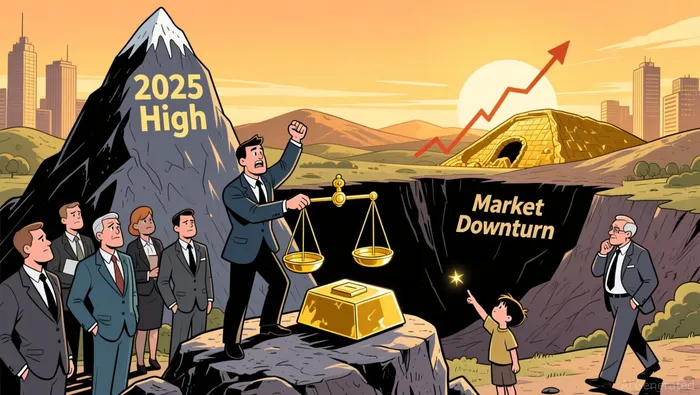
The spot price of gold reflects immediate market demand and is influenced by factors such as inflation, interest rates, and geopolitical events. Investors should be mindful of price fluctuations and consider gold as a store of value rather than a high-growth investment. In 2025, gold has historically underperformed the stock market over the long term but remained a valuable asset during economic downturns.
Why Is the Price of Silver Today So Volatile?
Silver’s performance in 2025 has been even more dramatic than gold’s. , . This was driven by industrial demand—particularly in solar panel and electric vehicle production—and its designation as a critical U.S. mineral. However, silver’s volatility also made it more susceptible to sudden corrections, as seen in early January 2026, .
How Should Investors Interpret the Latest Gold and Silver Corrections?
. Analysts from ActivTrades and UBS noted that while these corrections are normal in a bull market, they could signal caution if the Federal Reserve adopts a more hawkish stance or if ETF outflows continue to erode liquidity.
Gold and silver are both considered safe-haven assets, but gold is seen as the more stable option due to its role in central bank reserves and its historical performance during financial crises. Silver, while offering higher upside potential, carries more downside risk due to its industrial and speculative components. Investors should consider their risk tolerance and investment horizon when deciding how much exposure to take in these metals.
Looking ahead, the key factors to watch include the Federal Reserve’s upcoming policy decisions, global geopolitical developments, and the pace of industrial demand for silver. If the Fed remains dovish and geopolitical risks persist, gold and silver could continue to attract investor interest. However, a shift in monetary policy or a slowdown in industrial demand could lead to further volatility.
What to Watch Next
As we head into 2026, investors should keep an eye on several key developments that could shape the precious metals market:
Federal Reserve Policy: The release of the December meeting minutes and future policy decisions will provide insight into the Fed’s stance on inflation and interest rates. A more hawkish tone could weaken gold and silver, while further rate cuts could reinforce their rally.
Geopolitical Tensions: Continued conflicts in Europe and the Middle East could drive safe-haven demand, while de-escalation could lead to a pullback in prices.
Industrial Demand for Silver: As the green energy transition accelerates, demand for silver in solar panels and electric vehicles could remain strong, supporting its price.
Central Bank Purchases: If central banks continue to increase gold reserves, this could provide a structural floor for the metal’s price.
ETF Flows: Large outflows from gold and silver ETFs could signal reduced investor confidence, while inflows could indicate renewed interest in the sector.
The Bottom Line
, driven by a mix of macroeconomic factors and investor sentiment. While gold remains the more stable of the two, silver’s industrial demand and speculative nature make it more volatile. Investors should consider these metals as part of a diversified portfolio, particularly during periods of economic uncertainty. However, they should also be prepared for price swings and avoid overexposure to either asset without a clear understanding of the risks involved.

Stay ahead of the market.
Get curated U.S. market news, insights and key dates delivered to your inbox.


AInvest
PRO
AInvest
PRO



Comments
No comments yet