
Gold Price Drops Amid Dollar Strength and Inflation Fears: What Investors Should Know
 Aime Summary
,
The decline reflects rising inflation concerns linked to the U.S.-Iran conflict, , and expectations of higher interest rates
A stronger U.S. dollar and higher Treasury yields have reduced demand for gold and silver, which do not offer yield to investors
Analysts suggest that gold and silver could face further downward pressure if the Fed maintains a hawkish stance and inflation remains elevated
Technical indicators show gold consolidating near key levels,
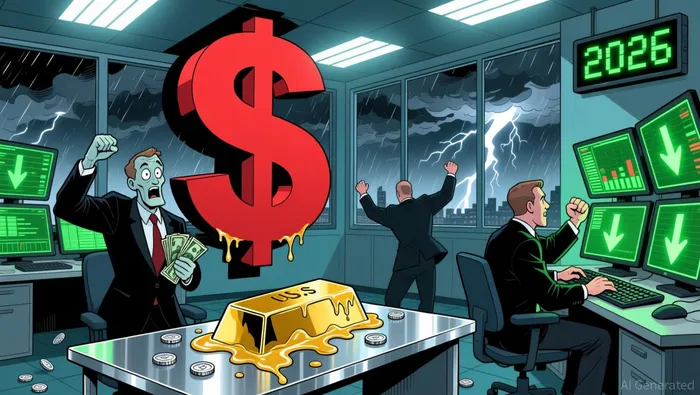
Gold and silver have faced a sharp decline in early 2026, driven by a combination of rising inflation, geopolitical tensions, and a stronger U.S. dollar. Investors who've long turned to gold as a safe haven in times of uncertainty are now being swayed by macroeconomic factors like interest rates and currency strength. This shift has raised questions among market watchers: Why is gold going down? And what could trigger a recovery? The answers lie in a mix of central bank policy, global energy markets, and the evolving role of precious metals in portfolios.
Why Is Gold Going Down Amid Rising Geopolitical Tensions in 2026?
Gold prices have traditionally surged during geopolitical conflicts, as investors seek safe-haven assets. However, in 2026, the opposite has occurred. The U.S.-Iran standoff and escalating tensions in the Middle East have driven oil prices above $100 per barrel, increasing inflationary pressures globally. While higher energy costs usually support gold by eroding purchasing power, they've also led to a stronger U.S. dollar, which has made gold more expensive for non-U.S. investors and reduced demand.
At the same time, central banks are maintaining a hawkish stance. The U.S. Federal Reserve has signaled that rates may remain elevated longer than expected, increasing the cost of holding non-yielding assets like gold. This has led to a shift in capital toward higher-yield instruments such as bonds and equities according to analysis. Analysts from UBS note that gold's long-term appeal as a hedge against inflation and currency devaluation remains intact, but in the short term, these macroeconomic forces are dominating price action.
What Drives Silver Prices in 2026 and Why the Sharp Decline?
Silver has also seen a steep decline, . Unlike gold, silver has both industrial and investment demand. However, the current environment is characterized by weak industrial demand and strong dollar pressure. The U.S. , making silver more expensive for international buyers.
Furthermore, rising interest rates have made gold and silver less attractive relative to cash and bonds. The , for example, , indicating significant outflows from leveraged precious metal funds. Analysts suggest that unless industrial demand picks up or geopolitical tensions intensify, silver may remain under pressure.
What Should Investors Watch for in Precious Metals This Year?
For investors tracking gold and silver, a few key factors will determine the direction of the market:
- Interest Rate Policy: If the Federal Reserve or other central banks cut rates to combat inflation or economic slowdown, gold and silver could see renewed demand.
- Dollar Movements: A weaker U.S. dollar would make gold more attractive to investors outside the US, potentially driving prices higher.
- Geopolitical Developments: While the U.S.-Iran conflict has not yet sparked a gold rally, prolonged tensions or additional conflicts could change investor sentiment.
- Oil and Inflation Trends: If oil prices stabilize or decline, the inflationary pressure that currently supports the dollar could ease, reducing the opportunity cost of holding gold.
For now, precious metals remain under pressure, but the long-term fundamentals suggest they could regain appeal if macroeconomic conditions shift. Investors are advised to monitor central bank decisions, inflation reports, and global risk events as part of their investment strategy.

Stay ahead of the market.
Get curated U.S. market news, insights and key dates delivered to your inbox.


AInvest
PRO
AInvest
PRO



Comments
No comments yet