
Gold Futures Tumble on Fed Nomination as Silver Mirrors Historic Sell-Off
 Aime Summary
Gold and Silver Futures Drop Sharply in February 2026
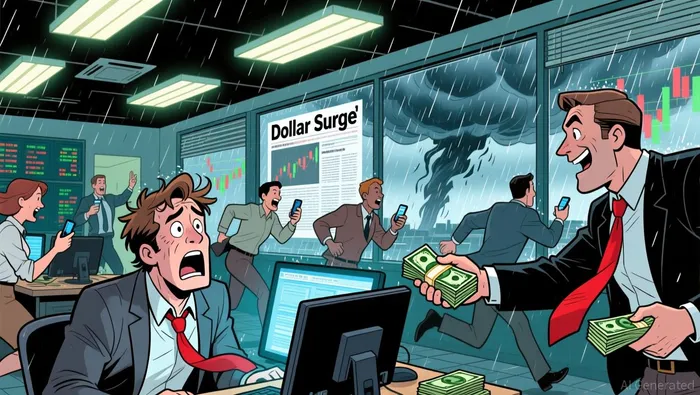
The precious metals market experienced one of its most dramatic corrections in decades in early February 2026. Gold and silver futures tumbled amid a perfect storm of geopolitical uncertainty, profit-taking, and a key shift in U.S. monetary policy signals. The trigger? President Donald Trump’s nomination of Kevin Warsh as the next Federal Reserve Chair. Markets interpreted the move as a pivot toward tighter monetary policy, causing a rapid strengthening of the U.S. dollar and a sharp sell-off in dollar-denominated commodities like gold and silver according to CNBC.
Why Did Gold and Silver Futures Drop So Sharply in February 2026?
Gold futures fell more than 10% on Friday, February 1, 2026, while silver dropped 31% in a single session—the worst performance since the Hunt Brothers silver crisis of 1980 according to Philstar. The selloff came just days after both metals reached record highs in early January, driven by speculative inflows and safe-haven demand amid global tensions and expectations of Fed rate cuts. The correction was fueled by a mix of factors: rising margin requirements on silver futures, a stronger U.S. dollar, and a sudden shift in expectations about the Fed’s policy path as reported by Whales Book.
Warsh’s nomination was particularly impactful. While the Fed governor had previously aligned with Trump on calls for lower interest rates, his reputation as a hawk on inflation raised concerns that the Fed might not pursue aggressive easing. A stronger dollar made gold and silver less attractive to international buyers, while leveraged traders and funds like AGQ were forced to liquidate positions, amplifying the sell-off according to Investing.com.
What Does the Selloff Mean for Investors?
The February 2026 correction was a sharp but not necessarily permanent shift in the precious metals market. While prices fell sharply, analysts note that long-term fundamentals remain intact. Central banks continue to accumulate gold, and silver faces structural demand from green energy, AI, and electric vehicles according to Economic Times.
Silver’s 31% one-day drop may have been the most extreme, but it echoes historical patterns of forced liquidation and margin calls—similar to what happened in 1980 as reported by India Today. However, the speed of the 2026 selloff was compressed, partly due to algorithmic trading and leverage in modern markets. For gold, the pullback was also significant, but it remained near four-decade highs for much of January and February, indicating that the bull trend is far from over according to Times of India.
Investors should also consider the geopolitical context. Despite reports of potential U.S.-Iran negotiations, global tensions remained elevated, and gold’s role as a safe-haven asset has not diminished according to Sunday Guardian. In India, the Union Budget 2026 maintained import duties on gold and silver, adding to uncertainty for domestic markets. The Multi Commodity Exchange (MCX) saw sharp price swings, with silver hitting a 9% lower circuit on February 1, 2026 according to The Times of India.
What’s Next for Gold and Silver Futures?
The key question for investors is whether this selloff is a short-term correction or the start of a broader bear market. Analysts generally favor the former. Both gold and silver remain supported by structural demand, and the Fed’s balance sheet remains a wildcard. If Warsh adopts a pragmatic approach—balancing inflation control with growth support—gold and silver could rebound. Conversely, a more hawkish stance could prolong the current weakness according to Bloomberg.
For now, traders are watching support levels. If gold holds above $4,500 an ounce and silver remains above $75 per ounce, the bull case remains intact. But with rising interest rates, higher U.S. dollar strength, and potential volatility in Fed policy, investors should approach the market with caution. The selloff has created a buying opportunity for some, but it’s one that comes with high risk and requires careful monitoring of macroeconomic signals as reported by Whales Book.

Stay ahead of the market.
Get curated U.S. market news, insights and key dates delivered to your inbox.


AInvest
PRO
AInvest
PRO



Comments
No comments yet