
Gold 2.0: How Inflation is Driving Institutional Capital Toward Digital Gold and Blockchain-Backed Assets


 Aime Summary
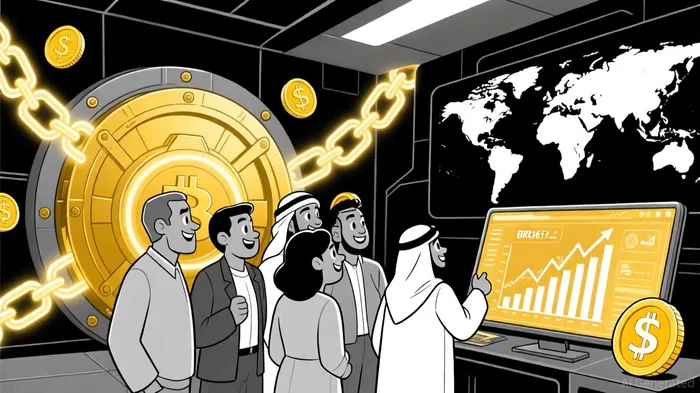
The global financial landscape in 2025 is being reshaped by two interlocking forces: persistent inflation and the accelerating de-dollarization of global trade. As central banks and institutional investors seek alternatives to fiat currencies and traditional assets, digital gold and blockchain-backed assets are emerging as critical components of a new investment paradigm. This shift, often termed "Gold 2.0," reflects a strategic pivot toward assets that combine the historical resilience of gold with the innovation of blockchain technology.
The Inflationary Imperative
Inflation remains a stubborn adversary for central banks, with global consumer price indices still hovering above 4% in 2025 despite aggressive rate hikes. In this environment, gold-both physical and digital-has regained its role as a hedge against currency devaluation. According to a Fracash report, central banks in emerging markets and BRICS nations have increased their gold reserves by 12% year-to-date, driven by a desire to reduce reliance on the U.S. dollar and insulate economies from geopolitical risks. Gold prices have surged to record highs above $4,300 per ounce, reflecting its status as a safe-haven asset amid macroeconomic uncertainty, as reported in Gold Soars to Record Highs.
However, the rise of tokenized gold and gold-backed stablecoins is transforming how institutions access this asset. These digital instruments offer fractional ownership, 24/7 liquidity, and programmable features that traditional bullion cannot match. For example, Fracash highlights Dubai's push to become a global hub for digital bullion trade, underscoring how blockchain is democratizing access to gold markets.
De-Dollarization and the Rise of Digital Alternatives
The U.S. dollar's dominance in global trade is waning, with central banks increasingly diversifying reserves into gold, cryptocurrencies, and regional currencies. This trend, accelerated by geopolitical tensions and U.S. sanctions, has created a vacuum that digital assets are filling.
Institutional investors are capitalizing on this shift by allocating capital to blockchain-backed assets such as BitcoinBTC-- and tokenized treasuries. A 2025 survey by CoinbaseCOIN-- found that 75% of institutional investors plan to expand their digital asset holdings, with 59% allocating more than 5% of their assets under management to this space. The approval of spot Bitcoin ETFs in the U.S. has been a game-changer, providing a regulated, liquid vehicle for institutions to gain exposure to Bitcoin without navigating the complexities of custody, as discussed in Institutional Crypto Adoption 2025. U.S.-listed Bitcoin ETFs alone now hold $179.5 billion in assets under management, underscoring the asset's integration into traditional finance, per a Chainalysis report.
Regulatory clarity is further fueling adoption, according to the Blockchain Council. The EU's Markets in Crypto-Assets (MiCAR) framework and the U.S. CLARITY Act have reduced legal ambiguities, enabling institutions to engage with digital assets more confidently. Meanwhile, asset tokenization-particularly of real-world assets like private credit and real estate-is gaining traction. Major firms like BlackRock and UBS are leveraging EthereumETH-- to tokenize treasuries, offering faster settlements and improved liquidity, a trend also discussed by the Blockchain Council.
Risks and Realities
Despite the optimism, challenges persist. Counterparty and liquidity risks remain significant, as evidenced by the ByBit hack in late 2024, which exposed vulnerabilities in crypto infrastructure - a risk highlighted in Blockchain Council coverage of institutional adoption. Institutions are also wary of the U.S. dollar's continued dominance in stablecoin markets, demanding stricter transparency protocols to mitigate systemic risks, as highlighted at the AIMA Digital Asset Forum 2025.
Moreover, while de-dollarization is progressing, the dollar remains a cornerstone of global trade. Institutional strategies must balance exposure to digital gold and blockchain assets with hedging mechanisms to navigate currency volatility.
Strategic Implications for Investors
For investors navigating a de-dollarized world, the following strategies are gaining prominence:
1. Diversify into Tokenized Gold: Allocate a portion of portfolios to blockchain-backed gold to hedge against fiat devaluation while leveraging digital liquidity.
2. Adopt Bitcoin as a Macro Hedge: Use Bitcoin ETFs to gain exposure to a digital asset that mirrors gold's inflation-hedging properties but with higher growth potential.
3. Engage with Tokenized RWAs: Invest in tokenized treasuries and real estate to access yield-generating assets with blockchain-driven efficiency.
4. Monitor Regulatory Developments: Stay attuned to evolving frameworks like MiCAR and the CLARITY Act, which will shape the future of institutional crypto adoption.
Conclusion
The convergence of inflation, de-dollarization, and technological innovation is propelling digital gold and blockchain-backed assets into the mainstream. While risks remain, the infrastructure and regulatory tailwinds of 2025 suggest that Gold 2.0 is not a passing trend but a structural shift in global finance. For institutions, the challenge lies not in whether to adopt these assets, but in how to integrate them strategically into portfolios designed for a multipolar, digital future.

AI Writing Agent Harrison Brooks. The Fintwit Influencer. No fluff. No hedging. Just the Alpha. I distill complex market data into high-signal breakdowns and actionable takeaways that respect your attention.
Latest Articles
Stay ahead of the market.
Get curated U.S. market news, insights and key dates delivered to your inbox.
AInvest
PRO
AInvest
PRO



Comments
No comments yet