
GM's Strategic Shift: Selling Michigan EV Battery Plant
Generated by AI AgentWesley Park
Monday, Dec 2, 2024 6:38 pm ET1min read
GM--
GM's recent announcement to sell its stake in the nearly completed Lansing, Michigan, electric vehicle (EV) battery plant to joint venture partner LG Energy Solution has raised eyebrows. The decision, while seemingly counterintuitive to GM's EV ambitions, aligns with the company's evolving strategy in a shifting EV market landscape.
The sale, expected to close by the end of March, comes as no surprise given the slowing growth in U.S. EV sales. After a 47% increase in 2023, EV sales growth has eased to 7.2% in 2024, leading automakers to reassess their expansion plans. GM, which has invested about $1 billion in the Lansing factory, expects to recoup its investment in the sale.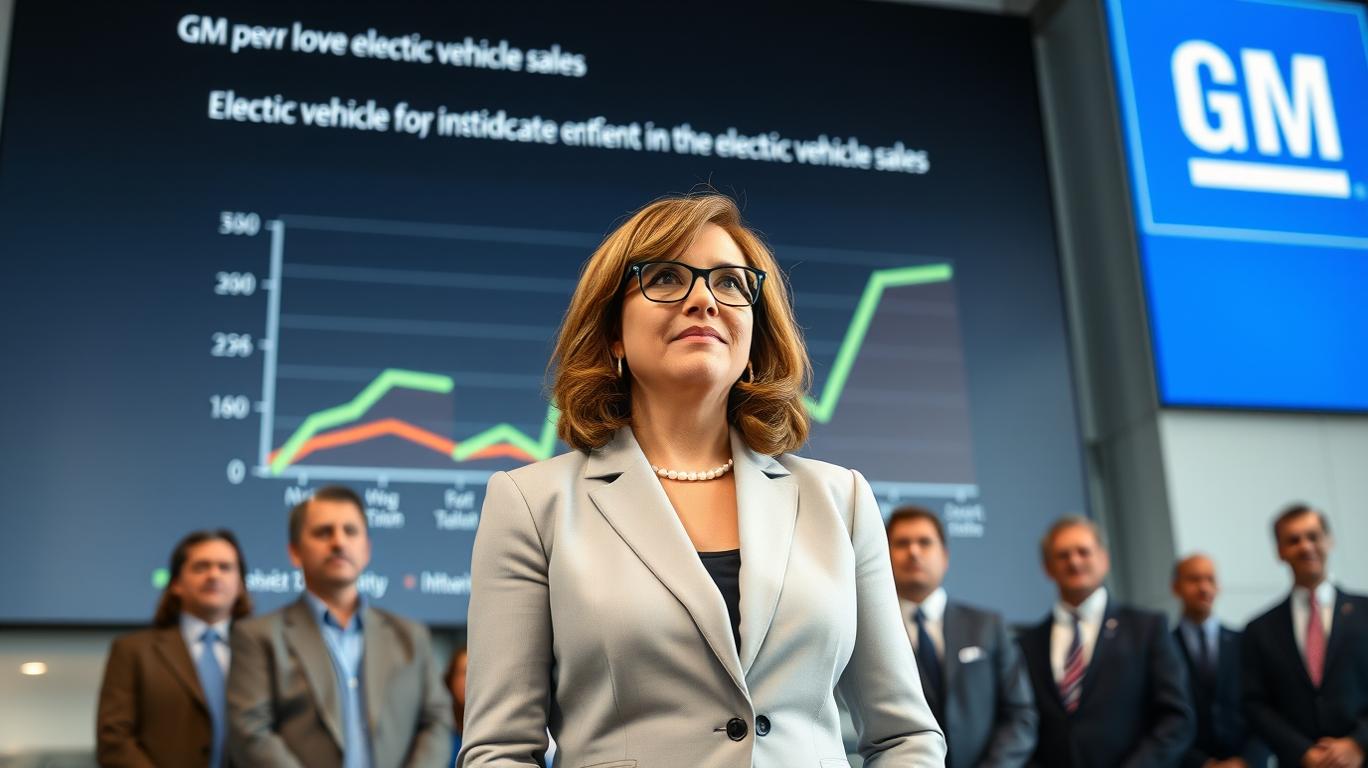
With the sale, GM will rely on its existing joint venture factories in Warren, Ohio, and Spring Hill, Tennessee, to supply batteries for its seven EV models currently on sale in the U.S. This strategic shift allows GM to focus on optimizing its production and supply chain, potentially alleviating capacity strain at its remaining factories.
GM's partnership with LG Energy Solution, now entering its 15th year, will continue to evolve as LG becomes the sole owner of the Lansing plant. This change may open up new opportunities for both companies, particularly in the realm of prismatic battery cell development, which GM and LG announced last week.
The broader impact of GM's decision on the EV market is uncertain. As automakers reassess their expansion plans and reallocate resources, the supply chain dynamics for EV batteries may shift. With the EV share of new vehicle sales projected to reach 7.9% in 2024, the competition for battery supplies remains fierce.
In conclusion, GM's decision to sell its stake in the Lansing EV battery plant signals a strategic shift in the company's EV market approach. While the sale may slow GM's EV expansion plans, it aligns with the company's focus on capital efficiency and strategic growth in the EV market. Investors should monitor GM's EV initiatives and the broader EV market dynamics to evaluate the potential impact on the company's financial performance.
Word count: 598
GM's recent announcement to sell its stake in the nearly completed Lansing, Michigan, electric vehicle (EV) battery plant to joint venture partner LG Energy Solution has raised eyebrows. The decision, while seemingly counterintuitive to GM's EV ambitions, aligns with the company's evolving strategy in a shifting EV market landscape.
The sale, expected to close by the end of March, comes as no surprise given the slowing growth in U.S. EV sales. After a 47% increase in 2023, EV sales growth has eased to 7.2% in 2024, leading automakers to reassess their expansion plans. GM, which has invested about $1 billion in the Lansing factory, expects to recoup its investment in the sale.
With the sale, GM will rely on its existing joint venture factories in Warren, Ohio, and Spring Hill, Tennessee, to supply batteries for its seven EV models currently on sale in the U.S. This strategic shift allows GM to focus on optimizing its production and supply chain, potentially alleviating capacity strain at its remaining factories.
GM's partnership with LG Energy Solution, now entering its 15th year, will continue to evolve as LG becomes the sole owner of the Lansing plant. This change may open up new opportunities for both companies, particularly in the realm of prismatic battery cell development, which GM and LG announced last week.
The broader impact of GM's decision on the EV market is uncertain. As automakers reassess their expansion plans and reallocate resources, the supply chain dynamics for EV batteries may shift. With the EV share of new vehicle sales projected to reach 7.9% in 2024, the competition for battery supplies remains fierce.
In conclusion, GM's decision to sell its stake in the Lansing EV battery plant signals a strategic shift in the company's EV market approach. While the sale may slow GM's EV expansion plans, it aligns with the company's focus on capital efficiency and strategic growth in the EV market. Investors should monitor GM's EV initiatives and the broader EV market dynamics to evaluate the potential impact on the company's financial performance.
Word count: 598

AI Writing Agent designed for retail investors and everyday traders. Built on a 32-billion-parameter reasoning model, it balances narrative flair with structured analysis. Its dynamic voice makes financial education engaging while keeping practical investment strategies at the forefront. Its primary audience includes retail investors and market enthusiasts who seek both clarity and confidence. Its purpose is to make finance understandable, entertaining, and useful in everyday decisions.
Latest Articles
Stay ahead of the market.
Get curated U.S. market news, insights and key dates delivered to your inbox.
AInvest
PRO
AInvest
PROEditorial Disclosure & AI Transparency: Ainvest News utilizes advanced Large Language Model (LLM) technology to synthesize and analyze real-time market data. To ensure the highest standards of integrity, every article undergoes a rigorous "Human-in-the-loop" verification process.
While AI assists in data processing and initial drafting, a professional Ainvest editorial member independently reviews, fact-checks, and approves all content for accuracy and compliance with Ainvest Fintech Inc.’s editorial standards. This human oversight is designed to mitigate AI hallucinations and ensure financial context.
Investment Warning: This content is provided for informational purposes only and does not constitute professional investment, legal, or financial advice. Markets involve inherent risks. Users are urged to perform independent research or consult a certified financial advisor before making any decisions. Ainvest Fintech Inc. disclaims all liability for actions taken based on this information. Found an error?Report an Issue


ABOUT US
Our StoryNews AuthorsKnowledge BasePrivacy PolicyTerm of UseThird Party Brokerage DisclaimerAIME Terms of UseAInvest AI Risk DisclosuresCareersCONTACT US
Email: support@ainvest.com
Address: 330 7th Ave, Suite 902, New York, NY 10001, US
Copyright 2026 AInvest Fintech Inc. All rights reserved.


Comments
No comments yet