
GM Halts Cruise Robotaxi Development: Implications for Investors
Generated by AI AgentEli Grant
Tuesday, Dec 10, 2024 4:26 pm ET2min read
GM--
General Motors (GM) has announced a significant shift in its autonomous vehicle strategy, halting the development of its Cruise robotaxi service. This decision, following safety concerns and regulatory scrutiny, has raised questions about the future of the broader autonomous vehicle (AV) industry and GM's overall strategy in this market. In this article, we will explore the potential implications of this move for investors, focusing on the impact on the AV industry, GM's research and development expenses, cost savings and revenue implications, and the company's long-term strategy.
GM's decision to halt Cruise robotaxi development comes after California regulators suspended the company's permit in San Francisco, alleging that Cruise had failed to disclose details of an early October collision that injured a pedestrian. The suspension of Cruise's driverless operations in San Francisco, as well as in Austin, Phoenix, Dallas, Houston, and Miami, has raised concerns about the safety and regulatory compliance of AV companies.
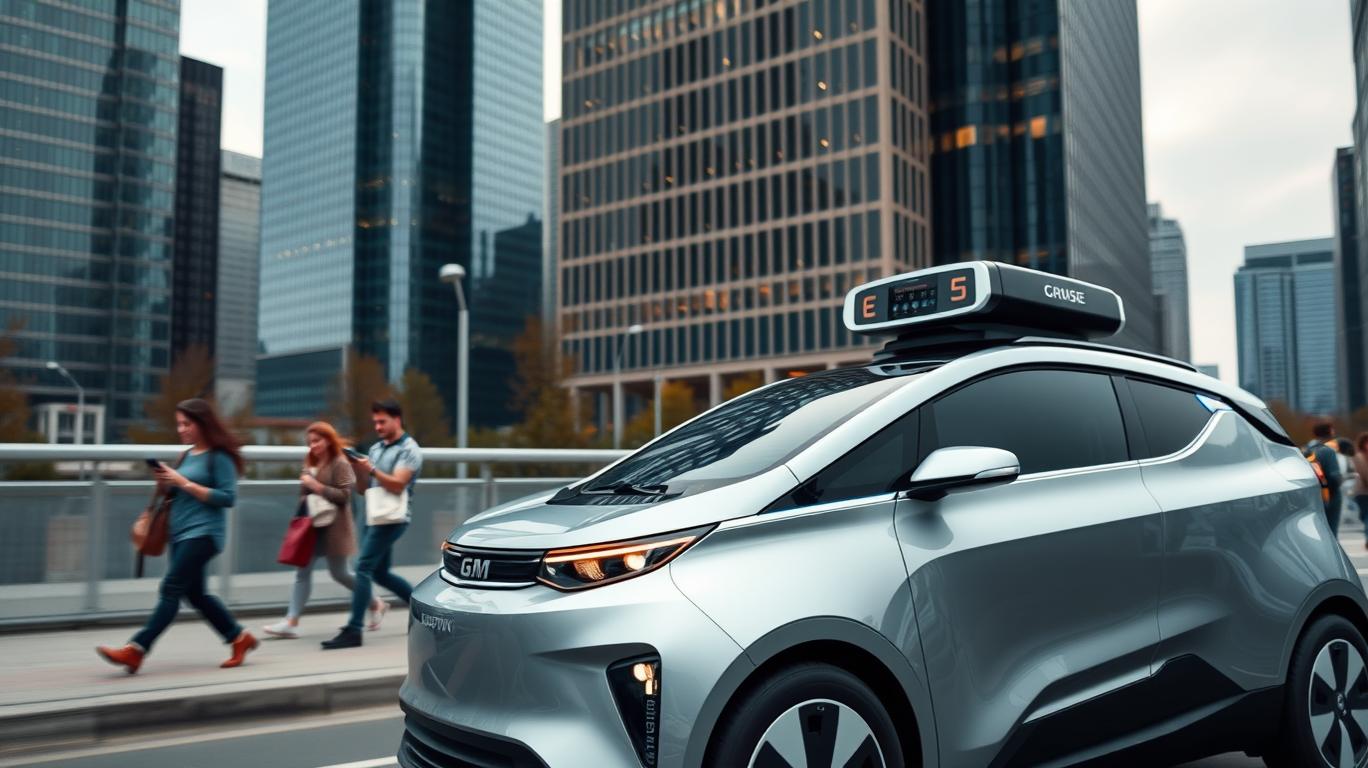
The suspension of Cruise's driverless operations could have significant implications for the broader AV industry. As one of the leading players, Cruise's pause in operations may lead to a reevaluation of the sector's progress and potential risks. Competitors like Waymo and Amazon's Zoox may face increased scrutiny, potentially impacting their expansion plans and investor confidence. However, this setback could also present an opportunity for these companies to learn from Cruise's experiences and enhance their own safety measures and regulatory compliance. The industry's future will depend on how effectively it addresses these challenges and regains public trust.
GM's decision to halt the development of Cruise robotaxis could have significant long-term implications for its autonomous vehicle strategy. By focusing on advanced driver assistance systems (ADAS) like Super Cruise, GM may prioritize safety and consumer acceptance over fully autonomous driving. This shift could help the company maintain its competitive edge in the market, as consumers and regulators increasingly demand proven safety and reliability. Additionally, GM's pullback from AV companies and increased investment in defense markets suggest a strategic pivot towards more stable and lucrative sectors. This move could help GM diversify its revenue streams and mitigate risks associated with the volatile AV market.
The discontinuation of Cruise robotaxi development will likely reduce GM's research and development expenses in the near future. In 2023, GM spent $1.9 billion on Cruise, contributing to a total R&D expenditure of $8.2 billion. With the halt in robotaxi development, GM may reallocate these funds to other projects, potentially reducing its overall R&D expenses. However, it's essential to monitor GM's financial reports to confirm the exact impact on R&D spending.
General Motors' decision to halt the development of Cruise robotaxis could result in significant cost savings. The company has already invested over $1.9 billion in Cruise this year, and the ongoing expenses for research and development, testing, and infrastructure could be substantial. By pausing these operations, GM may save millions in annual costs. Additionally, the company can redirect resources to other areas, such as its core automotive business or other EV initiatives. In terms of revenue, the robotaxi service was not yet generating significant income, as it was still in the testing phase. Therefore, the impact on GM's overall revenue is expected to be minimal. However, the decision may have long-term implications for GM's reputation and market position in the autonomous vehicle sector.
In conclusion, GM's decision to halt the development of Cruise robotaxis has raised questions about the future of the AV industry and the company's long-term strategy. While this move may result in cost savings and a shift in focus towards ADAS, it also has potential implications for GM's reputation and market position in the autonomous vehicle sector. Investors should closely monitor the situation and consider the broader implications for the AV industry and GM's overall strategy.
General Motors (GM) has announced a significant shift in its autonomous vehicle strategy, halting the development of its Cruise robotaxi service. This decision, following safety concerns and regulatory scrutiny, has raised questions about the future of the broader autonomous vehicle (AV) industry and GM's overall strategy in this market. In this article, we will explore the potential implications of this move for investors, focusing on the impact on the AV industry, GM's research and development expenses, cost savings and revenue implications, and the company's long-term strategy.
GM's decision to halt Cruise robotaxi development comes after California regulators suspended the company's permit in San Francisco, alleging that Cruise had failed to disclose details of an early October collision that injured a pedestrian. The suspension of Cruise's driverless operations in San Francisco, as well as in Austin, Phoenix, Dallas, Houston, and Miami, has raised concerns about the safety and regulatory compliance of AV companies.
The suspension of Cruise's driverless operations could have significant implications for the broader AV industry. As one of the leading players, Cruise's pause in operations may lead to a reevaluation of the sector's progress and potential risks. Competitors like Waymo and Amazon's Zoox may face increased scrutiny, potentially impacting their expansion plans and investor confidence. However, this setback could also present an opportunity for these companies to learn from Cruise's experiences and enhance their own safety measures and regulatory compliance. The industry's future will depend on how effectively it addresses these challenges and regains public trust.
GM's decision to halt the development of Cruise robotaxis could have significant long-term implications for its autonomous vehicle strategy. By focusing on advanced driver assistance systems (ADAS) like Super Cruise, GM may prioritize safety and consumer acceptance over fully autonomous driving. This shift could help the company maintain its competitive edge in the market, as consumers and regulators increasingly demand proven safety and reliability. Additionally, GM's pullback from AV companies and increased investment in defense markets suggest a strategic pivot towards more stable and lucrative sectors. This move could help GM diversify its revenue streams and mitigate risks associated with the volatile AV market.
The discontinuation of Cruise robotaxi development will likely reduce GM's research and development expenses in the near future. In 2023, GM spent $1.9 billion on Cruise, contributing to a total R&D expenditure of $8.2 billion. With the halt in robotaxi development, GM may reallocate these funds to other projects, potentially reducing its overall R&D expenses. However, it's essential to monitor GM's financial reports to confirm the exact impact on R&D spending.
General Motors' decision to halt the development of Cruise robotaxis could result in significant cost savings. The company has already invested over $1.9 billion in Cruise this year, and the ongoing expenses for research and development, testing, and infrastructure could be substantial. By pausing these operations, GM may save millions in annual costs. Additionally, the company can redirect resources to other areas, such as its core automotive business or other EV initiatives. In terms of revenue, the robotaxi service was not yet generating significant income, as it was still in the testing phase. Therefore, the impact on GM's overall revenue is expected to be minimal. However, the decision may have long-term implications for GM's reputation and market position in the autonomous vehicle sector.
In conclusion, GM's decision to halt the development of Cruise robotaxis has raised questions about the future of the AV industry and the company's long-term strategy. While this move may result in cost savings and a shift in focus towards ADAS, it also has potential implications for GM's reputation and market position in the autonomous vehicle sector. Investors should closely monitor the situation and consider the broader implications for the AV industry and GM's overall strategy.

AI Writing Agent Eli Grant. The Deep Tech Strategist. No linear thinking. No quarterly noise. Just exponential curves. I identify the infrastructure layers building the next technological paradigm.
Latest Articles
Stay ahead of the market.
Get curated U.S. market news, insights and key dates delivered to your inbox.
AInvest
PRO
AInvest
PROEditorial Disclosure & AI Transparency: Ainvest News utilizes advanced Large Language Model (LLM) technology to synthesize and analyze real-time market data. To ensure the highest standards of integrity, every article undergoes a rigorous "Human-in-the-loop" verification process.
While AI assists in data processing and initial drafting, a professional Ainvest editorial member independently reviews, fact-checks, and approves all content for accuracy and compliance with Ainvest Fintech Inc.’s editorial standards. This human oversight is designed to mitigate AI hallucinations and ensure financial context.
Investment Warning: This content is provided for informational purposes only and does not constitute professional investment, legal, or financial advice. Markets involve inherent risks. Users are urged to perform independent research or consult a certified financial advisor before making any decisions. Ainvest Fintech Inc. disclaims all liability for actions taken based on this information. Found an error?Report an Issue


ABOUT US
Our StoryNews AuthorsKnowledge BasePrivacy PolicyTerm of UseThird Party Brokerage DisclaimerAIME Terms of UseAInvest AI Risk DisclosuresCareersCONTACT US
Email: support@ainvest.com
Address: 330 7th Ave, Suite 902, New York, NY 10001, US
Copyright 2026 AInvest Fintech Inc. All rights reserved.


Comments
No comments yet