
GLP-1 Weight-Loss Drugs Now More Cost-Effective, Says ICER Report
ByAinvest
Tuesday, Sep 9, 2025 10:04 am ET2min read
LLY--
ICER's Chief Medical Officer, Dr. David Rind, stated that prices for these drugs have significantly decreased in the past couple of years. However, the high demand for these treatments has led to affordability issues for payers, including insurers and employers. The Centers for Disease Control and Prevention reports that nearly 40% of U.S. adults are obese, contributing to the high demand for these medications .
The report notes that semaglutide and tirzepatide have demonstrated cardiovascular health benefits, reducing the risk of major cardiovascular events and death in obese patients with heart disease. While the effectiveness of tirzepatide in reducing cardiovascular risks is promising, the report remains inconclusive on whether it is more effective than semaglutide in this regard .
ICER's analysis estimates the current U.S. annual net price for Novo Nordisk's semaglutide at $6,830, down from $13,618 in 2022, and for Eli Lilly's tirzepatide at $7,973, which has a list price of around $13,000 . Despite these reductions, the rising use of GLP-1 treatments has contributed to soaring drug spending in the U.S., posing affordability challenges for insurers and employers.
Dr. Rind emphasized the need for a coordinated national strategy to ensure these drugs remain accessible and affordable. He noted that while direct-to-consumer routes are beneficial for those who can afford them, a broader solution is needed to provide resources to those who would benefit most from these therapies .
Separately, Chinese pharmaceutical companies are preparing for the impending patent expiry of Novo Nordisk's semaglutide, which is expected to broaden access to these life-changing GLP-1RA therapies while creating a new competitive landscape dominated by local players . The expiration of semaglutide's patent protection in China in 2026 is set to drive increased competition and lower prices, potentially challenging the dominance of established players in the market.
The findings from ICER's report and the preparations of Chinese pharmaceutical companies underscore the evolving landscape of GLP-1 weight-loss treatments. As these drugs continue to demonstrate their cost-effectiveness and health benefits, stakeholders must address the affordability challenges to ensure their widespread availability.
References:
https://finance.yahoo.com/news/pricing-group-says-weight-loss-120530954.html
https://finance.yahoo.com/news/chinese-drugmakers-prep-looming-semaglutide-160325527.html
NVO--
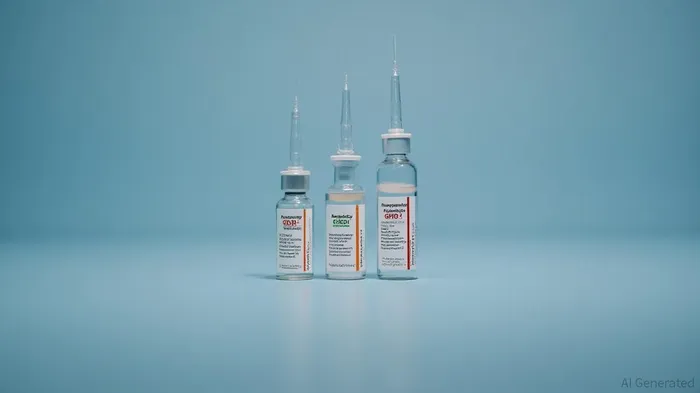
GLP-1 weight-loss injections, such as semaglutide and tirzepatide, are now considered more cost-effective due to falling prices and proven heart-health benefits. ICER's report notes that these drugs now outshine lifestyle changes in economic value. Despite improvements, ICER warns that the surging use of GLP-1 treatments contributes to soaring drug spending in the US, posing affordability challenges for insurers and employers. A coordinated national strategy is needed to ensure these drugs remain accessible and affordable.
The Institute for Clinical and Economic Review (ICER) has released a draft report highlighting the increased cost-effectiveness of GLP-1 weight-loss injections, such as semaglutide and tirzepatide. The report, released on September 7, 2025, notes that these drugs have become more cost-effective due to falling prices and proven heart-health benefits, surpassing lifestyle modifications in economic value .ICER's Chief Medical Officer, Dr. David Rind, stated that prices for these drugs have significantly decreased in the past couple of years. However, the high demand for these treatments has led to affordability issues for payers, including insurers and employers. The Centers for Disease Control and Prevention reports that nearly 40% of U.S. adults are obese, contributing to the high demand for these medications .
The report notes that semaglutide and tirzepatide have demonstrated cardiovascular health benefits, reducing the risk of major cardiovascular events and death in obese patients with heart disease. While the effectiveness of tirzepatide in reducing cardiovascular risks is promising, the report remains inconclusive on whether it is more effective than semaglutide in this regard .
ICER's analysis estimates the current U.S. annual net price for Novo Nordisk's semaglutide at $6,830, down from $13,618 in 2022, and for Eli Lilly's tirzepatide at $7,973, which has a list price of around $13,000 . Despite these reductions, the rising use of GLP-1 treatments has contributed to soaring drug spending in the U.S., posing affordability challenges for insurers and employers.
Dr. Rind emphasized the need for a coordinated national strategy to ensure these drugs remain accessible and affordable. He noted that while direct-to-consumer routes are beneficial for those who can afford them, a broader solution is needed to provide resources to those who would benefit most from these therapies .
Separately, Chinese pharmaceutical companies are preparing for the impending patent expiry of Novo Nordisk's semaglutide, which is expected to broaden access to these life-changing GLP-1RA therapies while creating a new competitive landscape dominated by local players . The expiration of semaglutide's patent protection in China in 2026 is set to drive increased competition and lower prices, potentially challenging the dominance of established players in the market.
The findings from ICER's report and the preparations of Chinese pharmaceutical companies underscore the evolving landscape of GLP-1 weight-loss treatments. As these drugs continue to demonstrate their cost-effectiveness and health benefits, stakeholders must address the affordability challenges to ensure their widespread availability.
References:
https://finance.yahoo.com/news/pricing-group-says-weight-loss-120530954.html
https://finance.yahoo.com/news/chinese-drugmakers-prep-looming-semaglutide-160325527.html
Stay ahead of the market.
Get curated U.S. market news, insights and key dates delivered to your inbox.
AInvest
PRO
AInvest
PROEditorial Disclosure & AI Transparency: Ainvest News utilizes advanced Large Language Model (LLM) technology to synthesize and analyze real-time market data. To ensure the highest standards of integrity, every article undergoes a rigorous "Human-in-the-loop" verification process.
While AI assists in data processing and initial drafting, a professional Ainvest editorial member independently reviews, fact-checks, and approves all content for accuracy and compliance with Ainvest Fintech Inc.’s editorial standards. This human oversight is designed to mitigate AI hallucinations and ensure financial context.
Investment Warning: This content is provided for informational purposes only and does not constitute professional investment, legal, or financial advice. Markets involve inherent risks. Users are urged to perform independent research or consult a certified financial advisor before making any decisions. Ainvest Fintech Inc. disclaims all liability for actions taken based on this information. Found an error?Report an Issue


ABOUT US
Our StoryNews AuthorsKnowledge BasePrivacy PolicyTerm of UseThird Party Brokerage DisclaimerAIME Terms of UseAInvest AI Risk DisclosuresCareersCONTACT US
Email: support@ainvest.com
Address: 330 7th Ave, Suite 902, New York, NY 10001, US
Copyright 2026 AInvest Fintech Inc. All rights reserved.


Comments
No comments yet