
GLP-1 Medications and Telehealth: A New Frontier in Affordable Obesity Care
The global obesity crisis is fueling a surge in demand for GLP-1 receptor agonists like Wegovy and Ozempic, which have become frontline treatments for weight management and diabetes. Yet, access to these life-changing therapies remains uneven, driven by high costs and fragmented healthcare systems. Enter Mark Cuban's Cost Plus Drugs and its partnership with 9amHealth, a telehealth innovator, which is pioneering a scalable model to democratize GLP-1-driven obesity care. This collaboration not only addresses a critical healthcare gap but also opens up compelling investment opportunities in telehealth infrastructure and pharmaceutical distribution.
The GLP-1 Market: Growth Powered by Necessity
The global GLP-1 receptor agonist market is on fire, projected to reach $55.7 billion by 2031 at a 12.1% CAGR, fueled by rising diabetes and obesity rates. Over 1 billion people worldwide are now classified as obese, and GLP-1 drugs—proven to reduce weight by 10–20% in clinical trials—are increasingly seen as essential tools. However, high costs (e.g., Wegovy costs ~$1,400/month) and limited access to specialists have created a barrier for millions.
The Cost Plus & 9amHealth Model: Democratizing Access
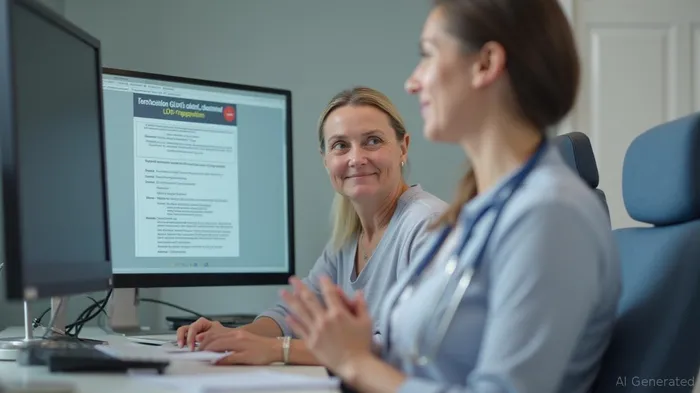
The partnership between Cost Plus Drugs (a nonprofit pharmaceutical company) and 9amHealth (a telehealth provider) is designed to tackle these barriers head-on. Their “Weight Management as a Service” program offers employers a subscription-based model that bundles GLP-1 prescriptions, virtual consultations with dietitians, and ongoing monitoring. Key features include:
- Cost Efficiency: Employers report 40% lower healthcare costs over 12–18 months due to reduced diabetes complications and heart disease risks.
- Scalability: The program has already enrolled over 50,000 employees across 200 companies, with plans to expand to 1 million users by 2026.
- Telehealth Integration: 9amHealth's platform streamlines prescription fulfillment and connects patients to care, even in rural areas.
This model is a win-win: employers save on long-term healthcare costs, patients gain access to effective treatments, and the telehealth/pharma ecosystem benefits from recurring revenue streams.
Why This Model Scales: Data and Demand Back the Play
The partnership's success hinges on two unstoppable trends:
1. Rising GLP-1 Demand: By 2030, global sales of GLP-1 drugs for obesity alone could hit $58 billion (per Cowen analysis). Novo Nordisk (NVO) and Eli Lilly (LLY) dominate, but their drugs face generic competition risks post-2028. This creates an opening for distributors like Cost Plus to source generic versions at lower prices.
- Employer Incentives: Over 60% of large employers now offer weight management programs, but only 34% cover GLP-1s for non-diabetic patients. Cost Plus's subscription model removes administrative hurdles and provides ROI data to convince employers to expand coverage.
Regulatory Tailwinds Accelerate Adoption
FDA approvals for new GLP-1 indications—such as cardiovascular risk reduction (recently granted to Wegovy)—are further accelerating demand. Meanwhile, CMS's push to reimburse telehealth services for chronic care post-pandemic has solidified telemedicine's role in primary care.
Investment Opportunities in the Pipeline
The GLP-1-telehealth synergy creates three clear investment angles:
Telehealth Platforms: Companies like 9amHealth (private but part of the publicly traded Teladoc Health (TDOC)) and Livongo (LVGN) are well-positioned to scale virtual care networks. Look for firms with strong employer partnerships and data-driven outcomes.
Pharma Distributors: Cost Plus's nonprofit model may not go public soon, but distributors like McKesson (MCK) and AmerisourceBergen (ABC) could benefit from bulk GLP-1 orders as demand rises.
Generic Manufacturers: Once patents expire (e.g., Ozempic in 2028), generic versions of GLP-1 drugs could drop prices by 30–50%. Companies like Mylan (MYL) and Teva (TEVA) stand to gain, but watch for supply chain risks.
Risks and Considerations
- Competition: Novo and Lilly may push back by expanding their own telehealth partnerships.
- Regulatory Hurdles: FDA scrutiny of off-label use (e.g., pediatric obesity) could limit growth.
- Adherence Challenges: GLP-1s require strict adherence; telehealth's role in monitoring compliance is critical.
Conclusion: A Paradigm Shift in Healthcare Access
The Cost Plus-9amHealth model is more than a partnership—it's a blueprint for how telehealth can bridge gaps in specialty care. With obesity-related costs expected to reach $1.5 trillion annually in the U.S. by 2030, the economic imperative for affordable solutions is undeniable. Investors should prioritize companies that combine GLP-1 expertise with scalable telehealth infrastructure. The future of obesity care is virtual, cost-effective, and—thanks to these innovations—within reach for millions.
Invest Now?
- Buy: Telehealth leaders with employer networks (e.g., TDOC, LVGN).
- Hold: GLP-1 leaders NVO and LLY until patent cliffs pass.
- Watch: Generic manufacturers post-2028.
The GLP-1 telehealth revolution is here. The question is: Who will lead it?

Delivering real-time insights and analysis on emerging financial trends and market movements.
Latest Articles
Stay ahead of the market.
Get curated U.S. market news, insights and key dates delivered to your inbox.


AInvest
PRO
AInvest
PRO



Comments
No comments yet