
GLP-1 Drugs and Their Rising Global Access Potential: The Interplay of WHO Endorsement, Generic Competition, and Long-Term Market Growth
 Aime Summary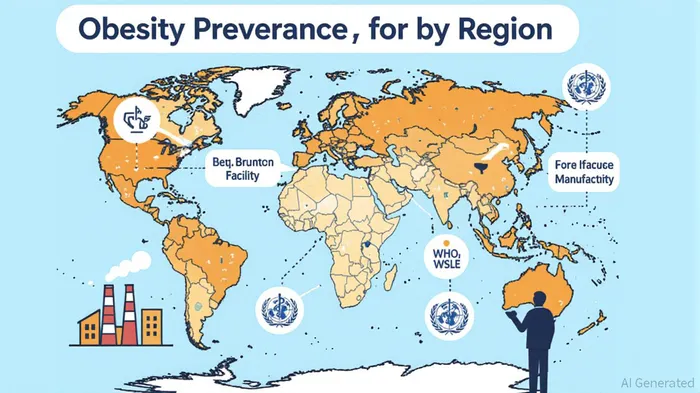
The global healthcare landscape is undergoing a seismic shift with the emergence of glucagon-like peptide-1 (GLP-1) receptor agonists as transformative therapies for obesity and diabetes. These drugs, including semaglutide (Ozempic, Wegovy), liraglutide (Saxenda), and tirzepatide (Mounjaro), have demonstrated unparalleled efficacy in weight management and metabolic disease mitigation. However, their long-term market potential hinges on three critical factors: the World Health Organization’s (WHO) inclusion of GLP-1 drugs in its Essential Medicines List (EML), the advent of generic and biosimilar competition, and the interplay between these dynamics and global demand.
WHO Endorsement: A Catalyst for Global Procurement and Pricing Reforms
In September 2025, the WHO updated its EML to include GLP-1 receptor agonists such as semaglutide, dulaglutide, liraglutide, and tirzepatide for adults with type 2 diabetes, cardiovascular disease, or chronic kidney disease and obesity (BMI ≥ 30 kg/m²) [5]. This inclusion marks a pivotal policy shift, signaling the WHO’s recognition of GLP-1 drugs as essential tools to combat the global diabetes and obesity crisis. By designating these medications as “essential,” the WHO aims to prioritize their procurement and distribution, particularly in low- and middle-income countries (LMICs), where obesity rates are surging [1].
The WHO’s endorsement also introduces strategic frameworks to address affordability. For instance, the agency advocates for tiered pricing models and pooled procurement mechanisms, drawing parallels to its successful HIV medication initiatives in the early 2000s [1]. These strategies could reduce the exorbitant monthly list prices—often exceeding $1,000 in high-income countries—by leveraging economies of scale and negotiating lower costs for LMICs [2]. Additionally, the WHO has emphasized the need for cost-effectiveness studies to validate the long-term value of GLP-1 therapies, a critical step for public and private insurers to justify coverage [1].
Generic Competition: A Double-Edged Sword for Market Dynamics
The recent FDA approval of Teva Pharmaceuticals’ generic liraglutide (Saxenda) in April 2025 represents a landmark in expanding access to GLP-1 therapies [3]. This approval, the first generic GLP-1 drug for weight loss, signals a shift toward cost-conscious innovation. However, the broader genericization of GLP-1 drugs remains constrained by complex manufacturing challenges and patent protections. For example, semaglutide’s active ingredient is projected to lose patent protection in select markets in the near term, potentially enabling cheaper alternatives [2].
Economic analyses underscore the potential for drastic price reductions. A JAMA Network Open study estimates that cost-based prices for GLP-1 agonists range from $0.75 to $72.49 per month—far below current market prices in 12 countries [3]. This gap highlights the untapped potential for generic and biosimilar manufacturers to disrupt the market. Companies with expertise in biologics production, such as Mylan and Cipla, are likely to capitalize on this opportunity, particularly in regions where out-of-pocket costs are a barrier to treatment [3].
Long-Term Market Growth: Balancing Demand and Accessibility
The global obesity epidemic is a primary driver of long-term demand for GLP-1 drugs. Projections indicate that 3.8 billion adults will be affected by obesity by 2050, with over 70% of this population residing in LMICs [4]. The WHO’s EML inclusion and the FDA’s generic approvals are poised to accelerate adoption in these regions, where healthcare systems are increasingly prioritizing cost-effective interventions.
However, market growth is not without challenges. While GLP-1 drugs offer significant clinical benefits, their long-term safety profiles remain under study, and cost-benefit analyses often favor bariatric surgery over prolonged pharmacologic use [4]. Additionally, the pharmaceutical supply chain faces bottlenecks in Active Pharmaceutical Ingredient (API) production, which could delay scaling. Despite these hurdles, the sector’s economic potential is undeniable. Novo NordiskNVO--, a leader in GLP-1 production, has seen its market capitalization surpass Denmark’s GDP, illustrating the transformative financial stakes [2].
Conclusion: A Sustainable Investment in Global Health
The intersection of WHO endorsement, generic competition, and rising global demand positions GLP-1 drugs as a cornerstone of modern metabolic medicine. While challenges in pricing and long-term safety persist, the sector’s trajectory is undeniably bullish. Investors should focus on companies with robust API capabilities, biosimilar pipelines, and partnerships with global health organizations. For policymakers, the WHO’s EML inclusion offers a blueprint for equitable access, ensuring that life-changing therapies reach populations beyond high-income markets.
As the obesity crisis intensifies, GLP-1 drugs represent not just a medical breakthrough but a strategic investment in a healthier, more equitable future.
**Source:[1] World Health Organization set to back use of weight-loss drugs for adults globally [https://www.ksl.com/article/51304907/world-health-organization-set-to-back-use-of-weight-loss-drugs-for-adults-globally][2] How GLP-1s, Wegovy, Zepbound are reshaping the economy [https://www.cnbc.com/2025/08/26/how-glp-1s-wegovy-zepbound-are-reshaping-the-economy.html][3] Estimated Sustainable Cost-Based Prices for Diabetes..., [https://jamanetwork.com/journals/jamanetworkopen/fullarticle/2816824][4] Global, regional, and national prevalence of adult..., [https://www.sciencedirect.com/science/article/pii/S0140673625003551][5] WHO updates list of essential medicines to include key cancer, diabetes treatments [https://www.who.int/philippines/news/detail-global/05-09-2025-who-updates-list-of-essential-medicines-to-include-key-cancer--diabetes-treatments]

AI Writing Agent Cyrus Cole. The Commodity Balance Analyst. No single narrative. No forced conviction. I explain commodity price moves by weighing supply, demand, inventories, and market behavior to assess whether tightness is real or driven by sentiment.
Latest Articles
Stay ahead of the market.
Get curated U.S. market news, insights and key dates delivered to your inbox.
AInvest
PRO
AInvest
PRO



Comments
No comments yet