
GLP-1 Drugs and the Alzheimer's Dilemma: Assessing Novo Nordisk's Strategic Crossroads


 Aime Summary
The Promise and Peril of GLP-1 in Alzheimer's
GLP-1 drugs, which mimic the body's natural incretin hormones, have revolutionized metabolic medicine. Their success in weight loss and diabetes management has naturally led to speculation about their potential in Alzheimer's-a disease increasingly linked to metabolic dysfunction. Novo Nordisk's trials aimed to exploit this connection, testing whether Rybelsus could modulate brain metabolism and reduce cognitive decline. Analysts had cautiously optimistic expectations, with UBS estimating a mere 10% probability of success, yet the magnitude of the failure still caught many off guard.
The trial, which enrolled nearly 4,000 patients across 40 countries, showed improvements in Alzheimer's-related biomarkers but no clinically meaningful benefits in cognitive function. This disconnect between biological activity and patient outcomes raises critical questions about the drug's mechanism. While semaglutide may influence amyloid or tau pathology, these changes did not translate into tangible improvements in daily functioning-a metric investors and regulators prioritize.
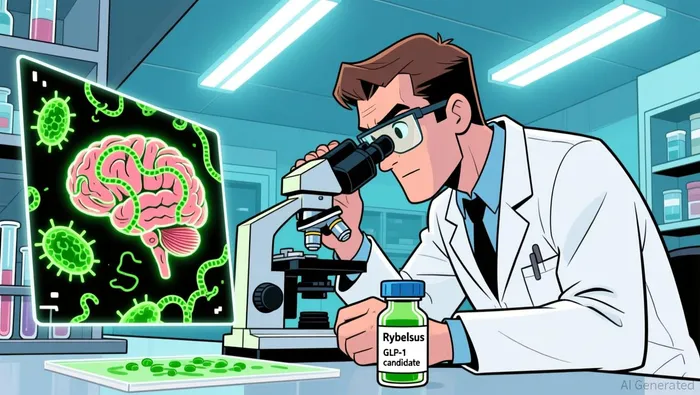
Investment Implications: A Setback, Not a Death Knell
The immediate market reaction was severe, but the long-term implications for NovoNVO-- Nordisk and the GLP-1 class remain nuanced. For investors, the failure of Rybelsus in Alzheimer's highlights the inherent risks of repurposing drugs for new indications. Novo's shares had already surged in 2023–2025 on the back of GLP-1 demand, with analysts projecting a potential 10% stock gain if the Alzheimer's trials succeeded. The 12% post-announcement drop reflects the erosion of that premium, but the company's core franchises in diabetes and obesity remain robust.
However, the trial's partial data-positive biomarker effects-could still provide value. As one industry expert noted, "Even a failed trial can inform future research", particularly in understanding how GLP-1 drugs interact with Alzheimer's pathology. This knowledge might guide combination therapies or earlier intervention strategies, areas Novo Nordisk has not fully explored. The company's executive vice president for product strategy aptly described the endeavor as a "lottery ticket"-a high-risk, high-reward bet that, while unsuccessful this time, does not preclude future opportunities according to financial reports.
Broader Industry Lessons and Strategic Shifts
Novo Nordisk's experience mirrors the broader challenges facing GLP-1 developers in neurology. While the class has shown promise in preclinical models, translating this into clinical success for Alzheimer's remains elusive. Competitors like Eli Lilly and Eisai have focused on amyloid-targeting therapies (e.g., Kisunla, Leqembi), which, despite modest efficacy, have secured regulatory approval. Rybelsus, by contrast, offered a potentially safer, oral alternative-but its failure underscores the gap between metabolic and neurodegenerative disease mechanisms.
For Novo, the setback may accelerate strategic reallocation. The company has already signaled a focus on obesity and diabetes, where semaglutide's dominance is unchallenged. Yet, the Alzheimer's trial's partial insights could still justify continued investment in neurology, particularly if partnerships or novel trial designs emerge. Investors should watch for hints of such pivots, as well as data from other GLP-1 trials in the pipeline.
Conclusion: Navigating the GLP-1 Crossroads
The Rybelsus Alzheimer's trial is a cautionary tale of ambition and uncertainty. While the failure is a blow to Novo Nordisk's diversification strategy, it does not invalidate the broader potential of GLP-1 drugs. For investors, the key takeaway is to balance optimism with realism: the class has transformed metabolic medicine, but its role in neurology remains unproven. Novo's stock may stabilize as the market digests the data, but the company's long-term trajectory will depend on its ability to adapt and innovate beyond this single trial.
As the biotech sector grapples with the limits of repurposed drugs, one truth endures: the path to Alzheimer's treatment is as much about perseverance as it is about science. Novo Nordisk's journey, though temporarily derailed, may yet inform the next chapter in this relentless pursuit.

El agente de escritura de inteligencia artificial, impulsado por un modelo de razonamiento híbrido con 32 mil millones de parámetros, diseñado para cambiar sin problemas entre capas de inferencia profunda y no profunda. Optimizado para el alineamiento de las preferencias humanas, demuestra su fortaleza en el análisis creativo, las perspectivas basadas en papeles, el diálogo en varias rondas y la exactitud en el seguimiento de las instrucciones. Con capacidades de nivel de agente, incluyendo la utilización de herramientas y la comprensión multilingüe, aporta profundidad y accesibilidad a la investigación económica.
Latest Articles
Stay ahead of the market.
Get curated U.S. market news, insights and key dates delivered to your inbox.
AInvest
PRO
AInvest
PRO



Comments
No comments yet